
Ultimately, robust fabrication capabilities ensure that even the most intricate and high-performance electronic designs can be manufactured with exceptional precision, reliability, and yield.
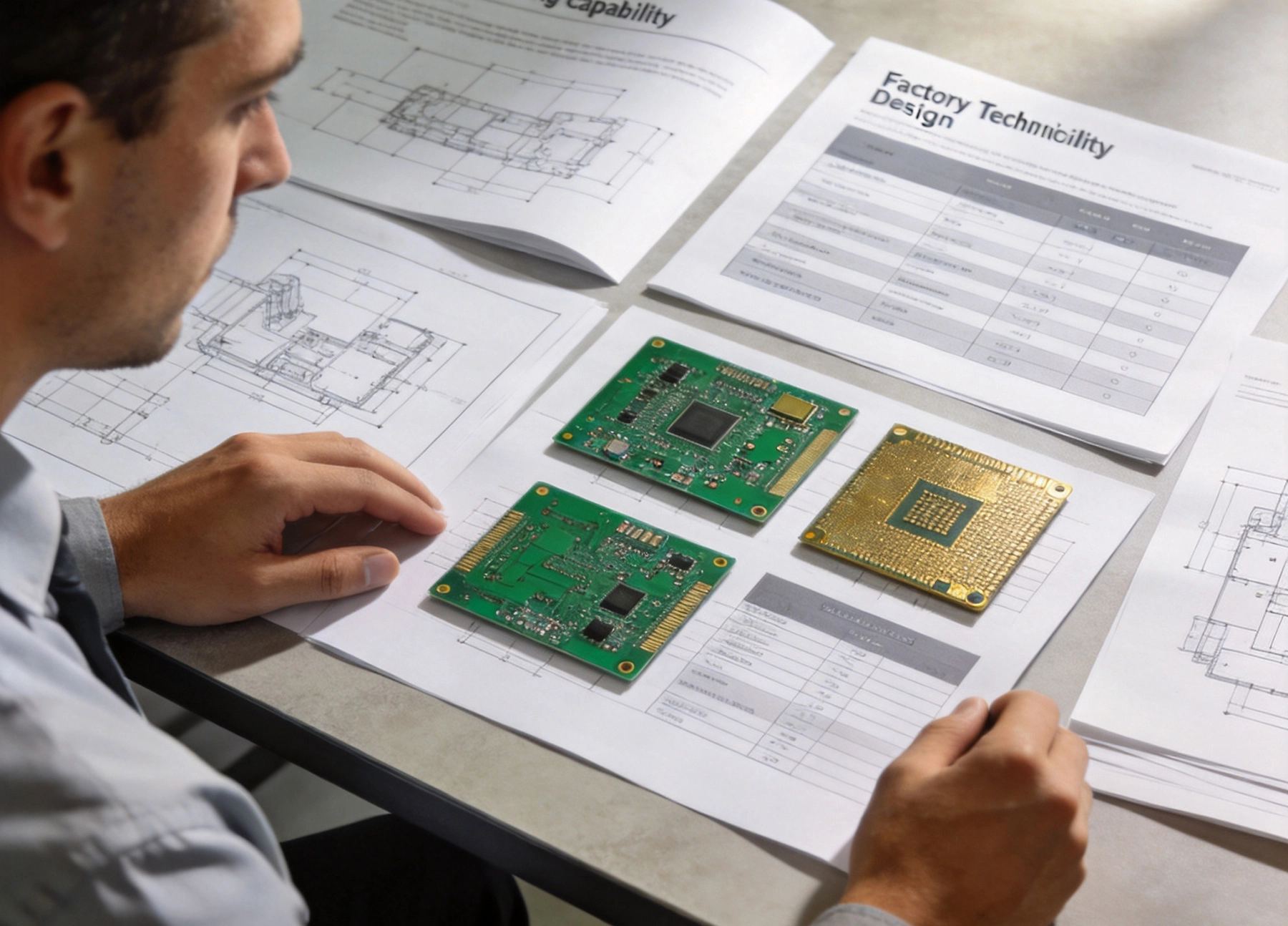
Why Capability Statements Matter: Matching Your Design Needs to Factory Strengths October/09/2026 You have a design. You need it built. You search for manufacturers, compare websites, and send out requests for quotes. Days or weeks later, you get responses back—some promising, some disappointing, some mysteriously silent. Somewhere in this process, you might be making a fundamental mistake: tr...
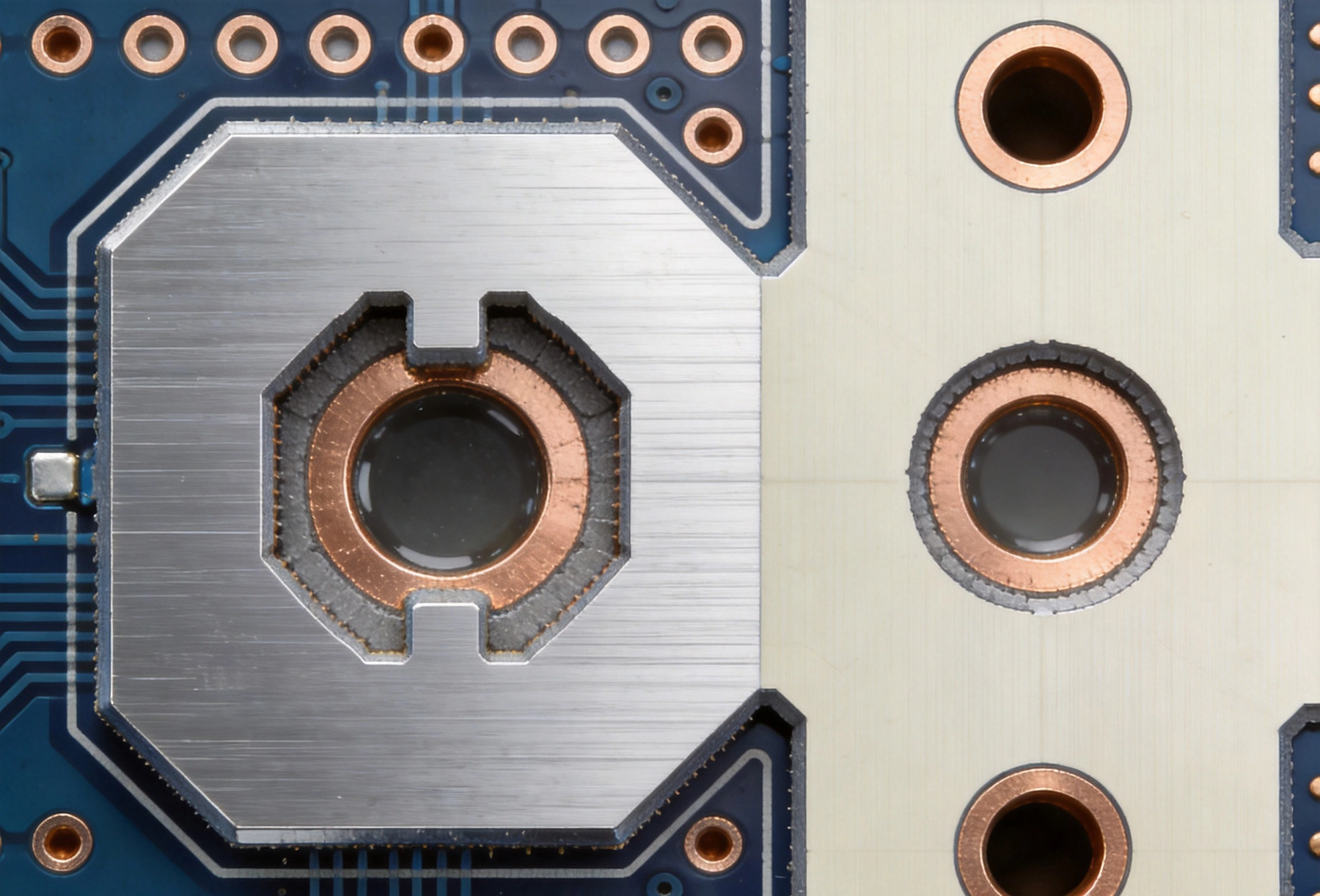
Back-drilling and Via-in-Pad: Advanced Capabilities for High-Speed Designs September/29/2026 High-speed digital designs operating at multi-gigabit data rates demand signal integrity performance that conventional PCB via structures simply cannot deliver. Signal frequencies in modern interfaces such as PCIe 5.0/6.0, 400G Ethernet, DDR5, and USB4 push well into the tens of GHz, where even mi...
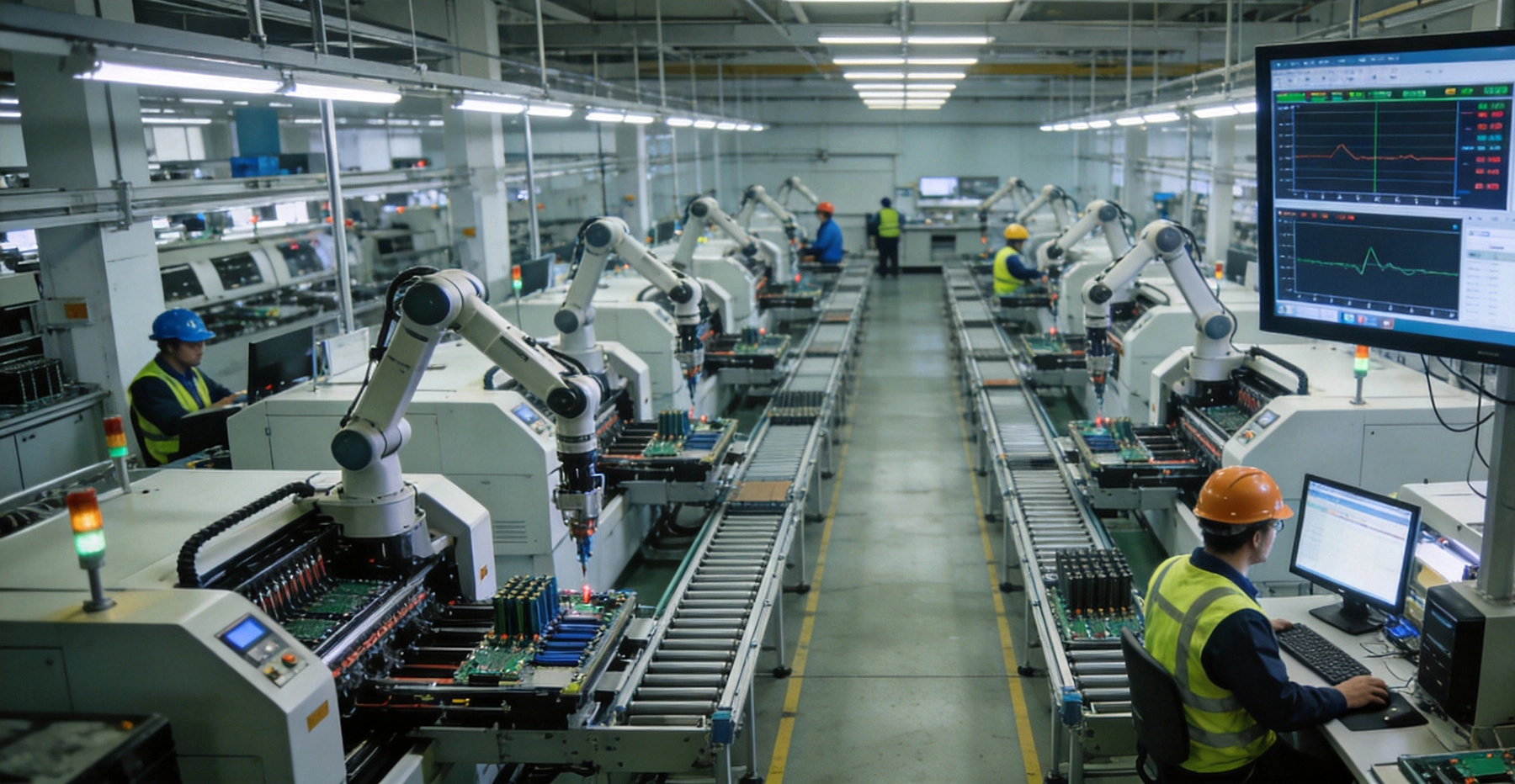
Choosing the Right Assembly Partner: Capabilities, Capabilities, Certifications, and Capacity September/28/2026 The contract electronics manufacturing market is large, fragmented, and varies enormously in capability. On one end are small shops with a single pick-and-place line and limited inspection equipment. On the other are large-scale facilities with fully automated assembly lines, X-ray and AOI inspect...
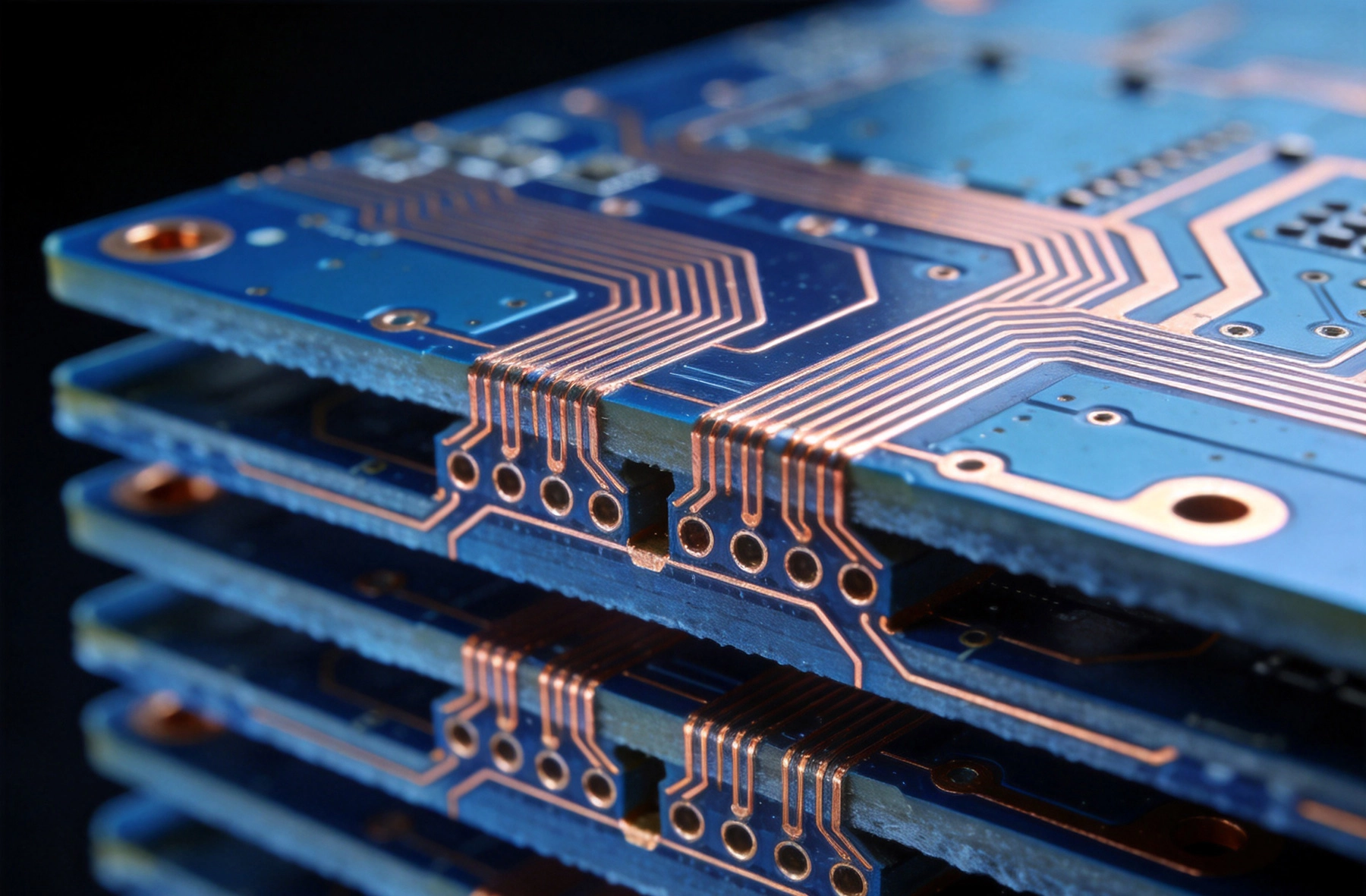
Cost Drivers in HDI and Multilayer PCB Fabrication: What Engineers Need to Know September/26/2026 The cost of an HDI or multilayer PCB is not a simple function of board size or layer count. It is the result of many interacting factors — some driven by your design choices, others by the capabilities and processes of the fabricator. Understanding these cost drivers is essential for engineers who...
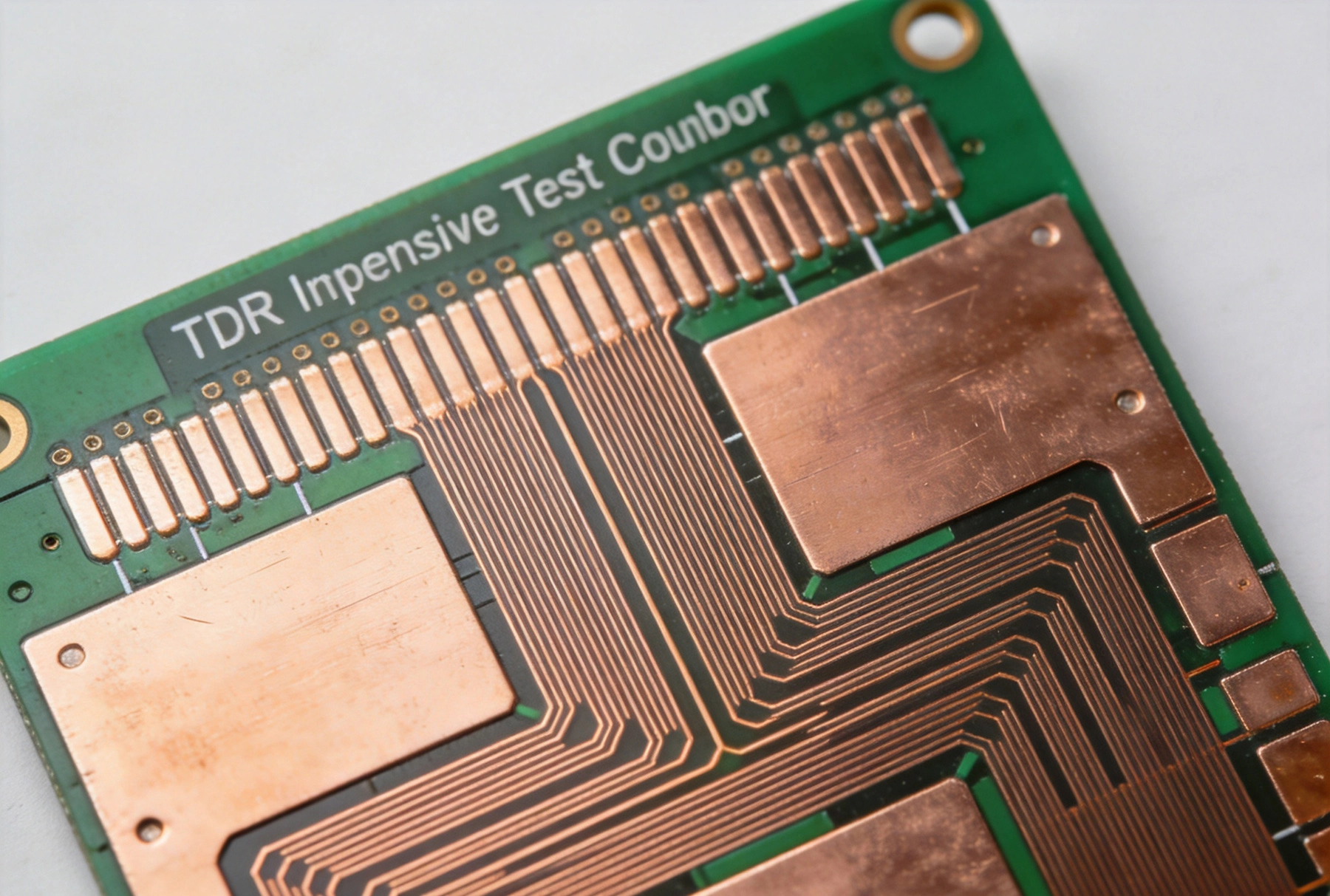
Controlled Impedance: Measuring a Manufacturer's Ability to Hit Tight Tolerances September/20/2026 In high-speed digital and RF design, controlled impedance is not a nice-to-have—it is a hard requirement. A 100 Ω differential pair that drifts to 112 Ω reflects enough signal energy to close the eye diagram on a 10 Gbps link. A 50 Ω RF trace that shifts to 54 Ω creates a 4 % VSWR mismatch that de...
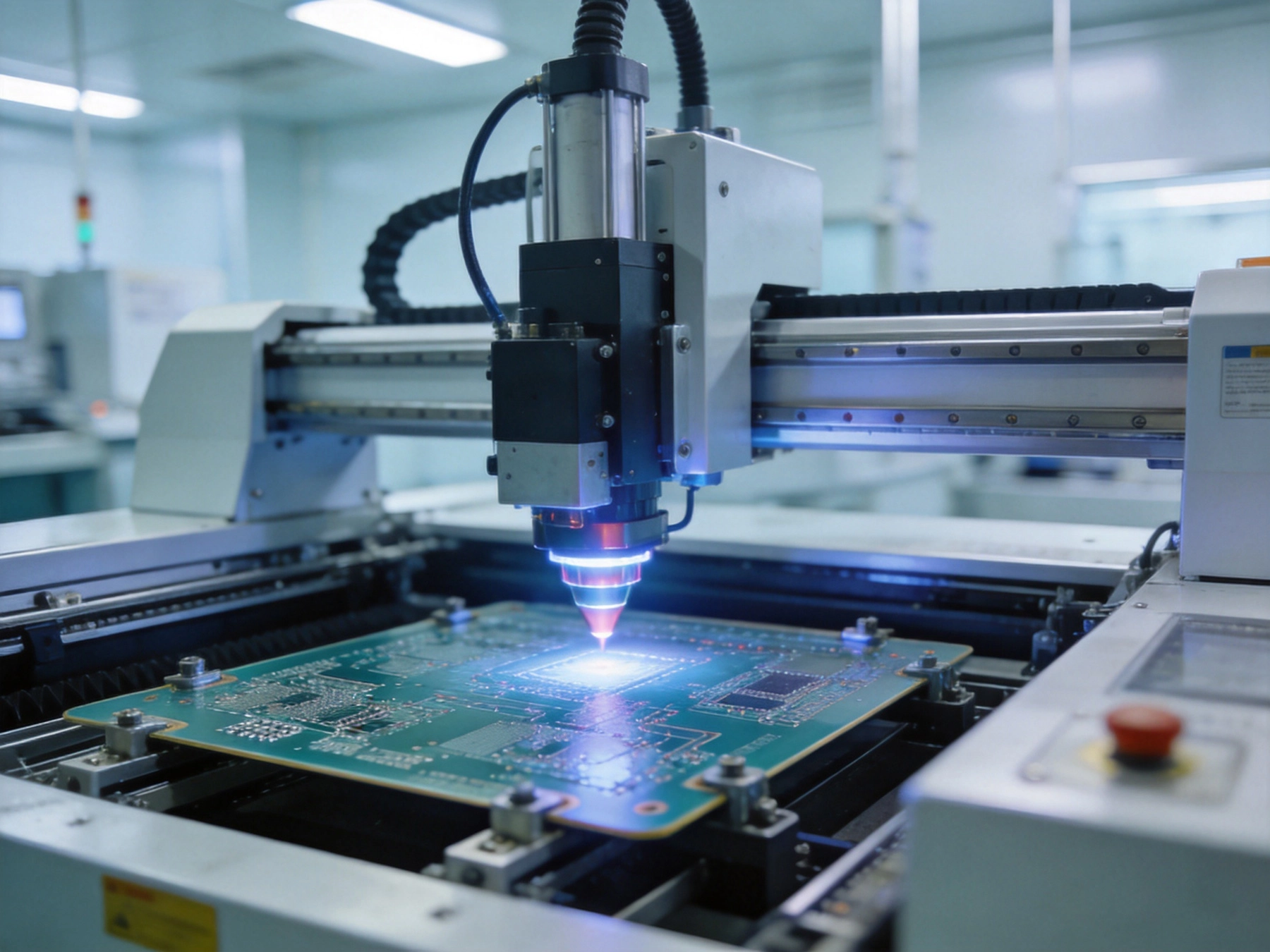
The Role of Equipment in Determining PCB Fabrication Capabilities (LDI, Laser Direct Imaging) September/09/2026 The capabilities of a PCB manufacturer are fundamentally shaped by their equipment investments. While design rules and material selection matter, the physical machinery that transforms design files into finished boards determines what is actually achievable. Among the most transformative technolog...
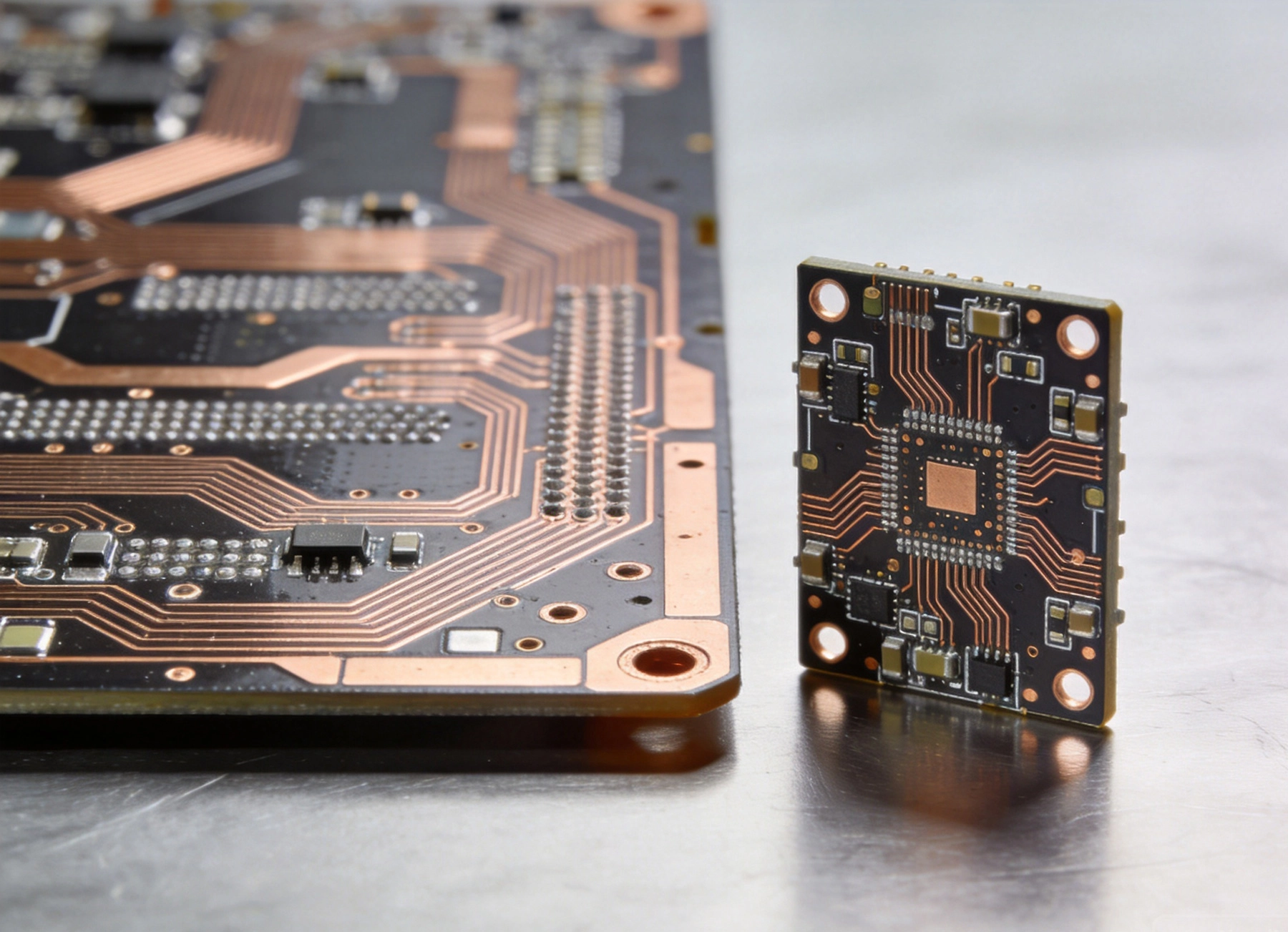
Large Format vs. Miniature PCBs: Evaluating Size Constraints and Capacities August/14/2026 When designing electronic systems, one of the most fundamental decisions engineers face is selecting the appropriate PCB size format. The choice between large format PCBs and miniature PCBs can dramatically impact your project's cost, performance, manufacturability, and overall success. This compr...
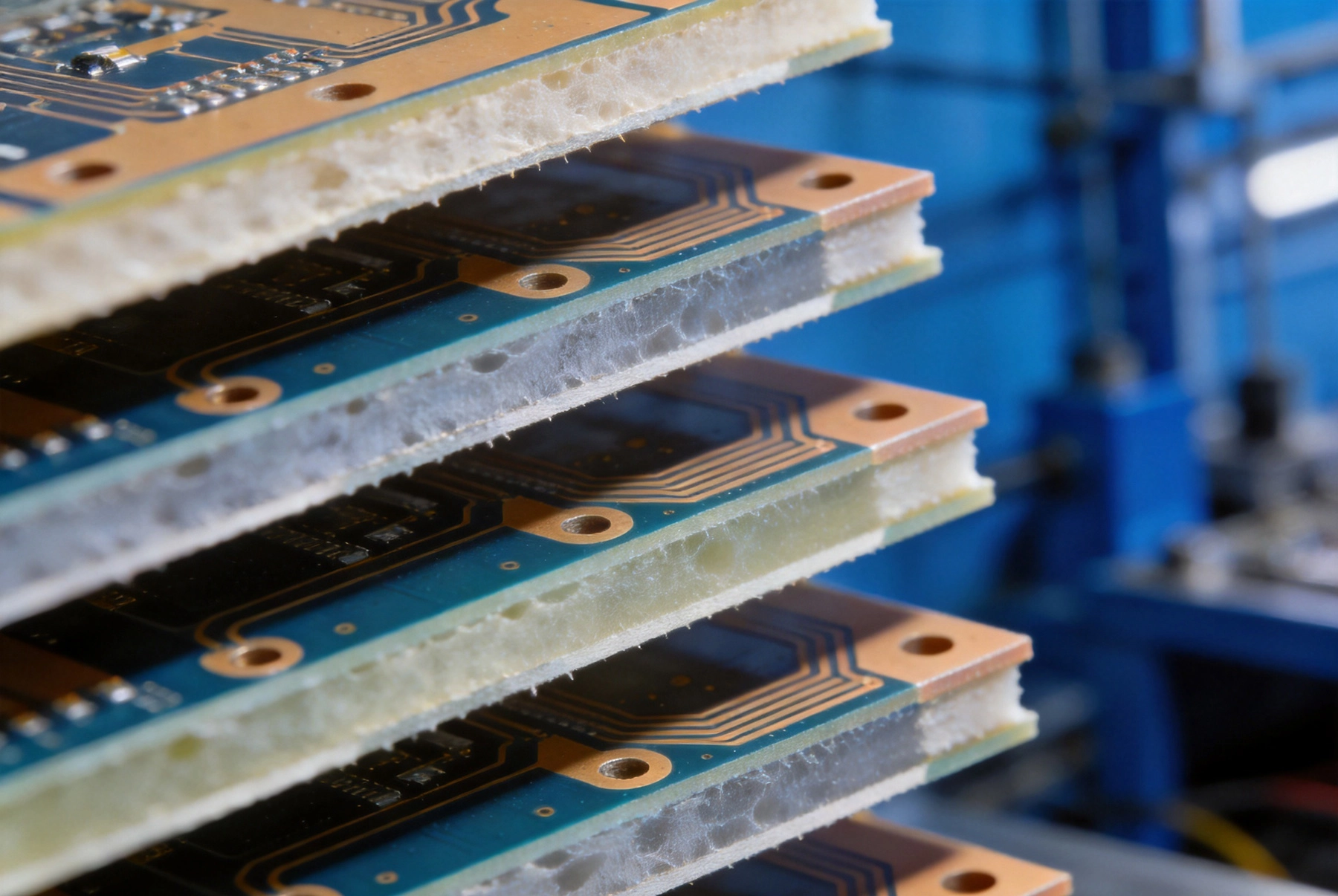
High-Frequency Materials: Assessing Capabilities for RF and Microwave PCBs August/03/2026 RF and microwave PCB applications demand materials that maintain consistent electrical performance at frequencies where standard FR4 falls short. When designing circuits for 5G communications, automotive radar, satellite systems, or test equipment, the choice of high-frequency substrate directly d...

High-Frequency Materials: Assessing Capabilities for RF and Microwave PCBs July/23/2026 When an electronics design moves beyond the realm of digital logic and enters the domain of radio frequency (RF) and microwave signals, a new set of material challenges emerges. At low frequencies, almost any PCB substrate performs adequately. At 5 GHz, 10 GHz, or 77 GHz — the frequencies used in ...
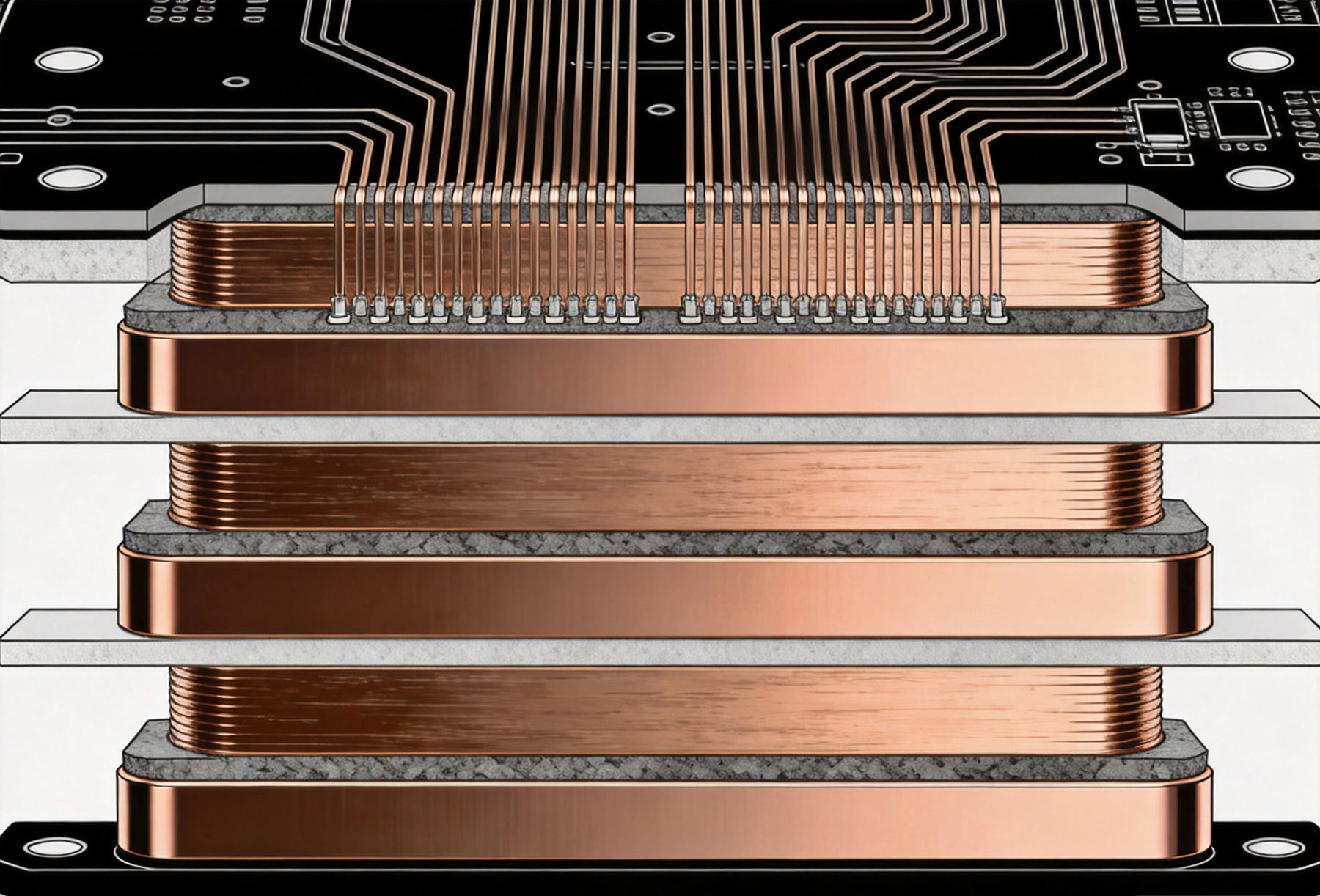
Heavy Copper PCBs: Capabilities for High-Current and Power Electronics July/14/2026 Standard 1oz copper PCBs simply can't handle the thermal and electrical demands of modern power electronics. When your PCB design carries currents exceeding 20-30A, standard copper weights become inadequate. Heat buildup, voltage drop, and mechanical stress threaten reliability. This is where h...
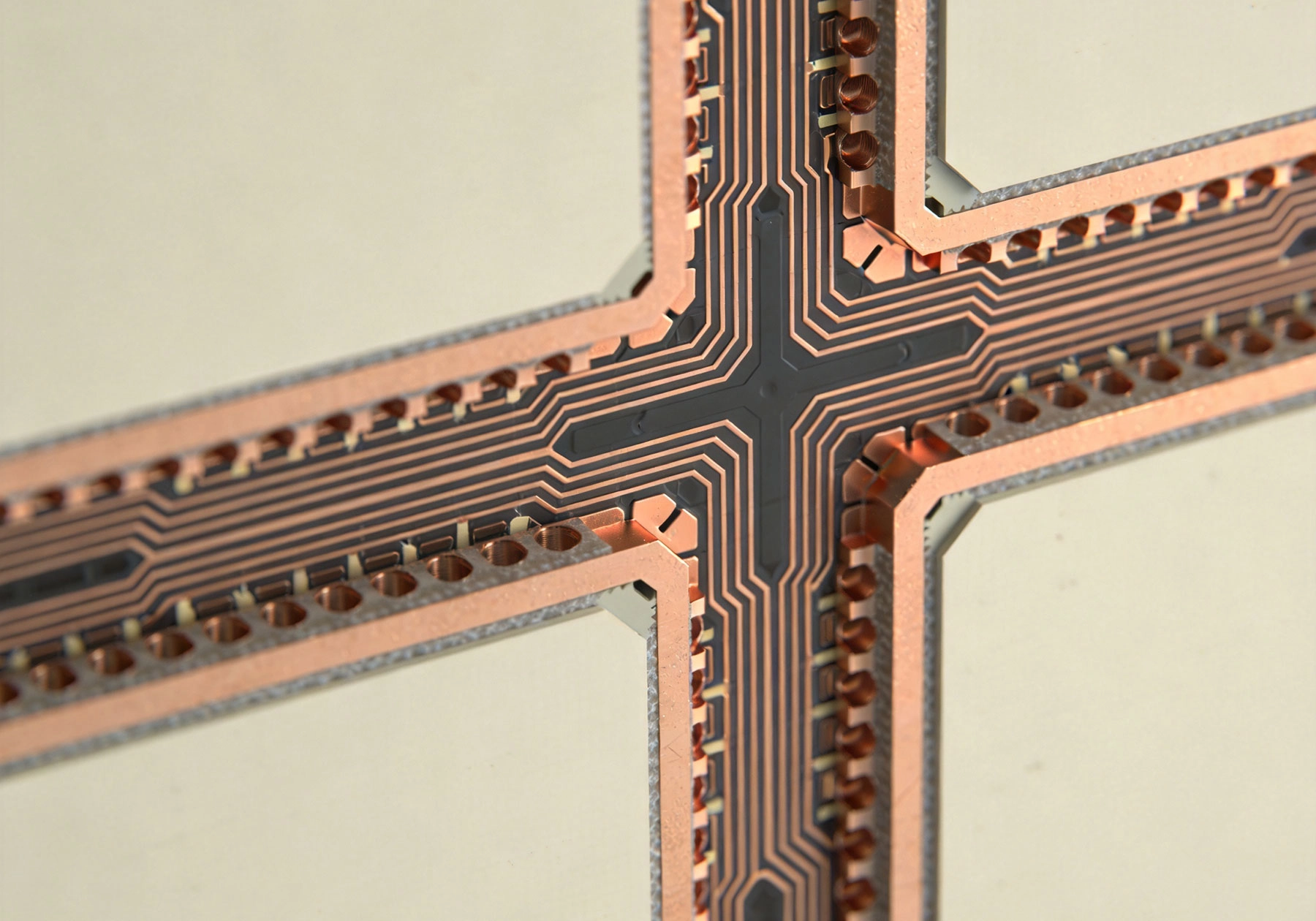
Any-Layer Interconnect: The Pinnacle of High-Density PCB Technology July/10/2026 The relentless march of electronics miniaturization has pushed printed circuit board technology to extraordinary heights. As devices become smaller, more powerful, and more complex, traditional PCB technologies face fundamental limitations in component density and interconnect capabilities. Any-la...
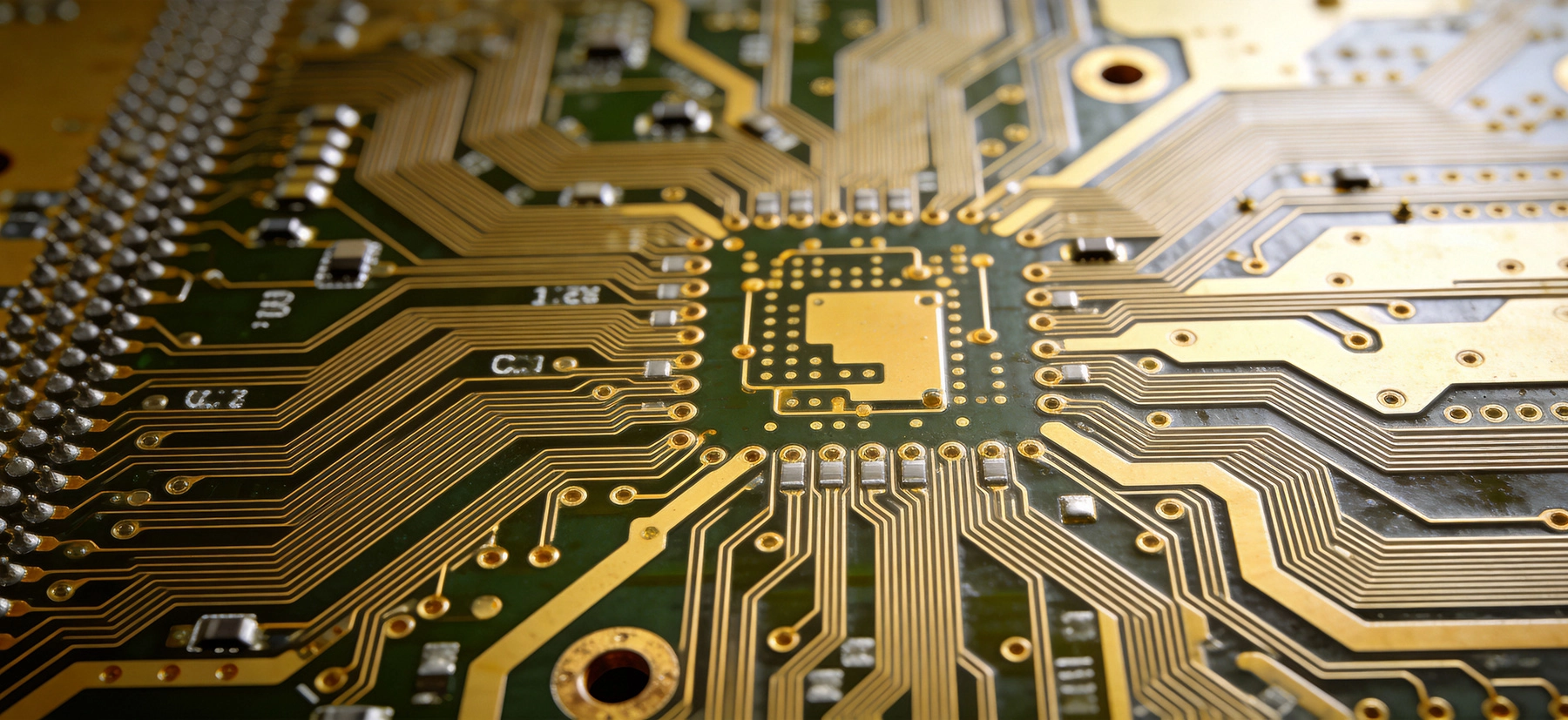
Minimum Trace and Space: How Far Has PCB Technology Advanced? July/01/2026 Thirty years ago, a 6 mil trace and 6 mil space was considered "fine line" technology. Today, leading manufacturers routinely produce 3 mil traces with 3 mil spaces, and advanced facilities push boundaries to 2 mil or even smaller. This dramatic reduction in minimum trace and space capabilities ha...
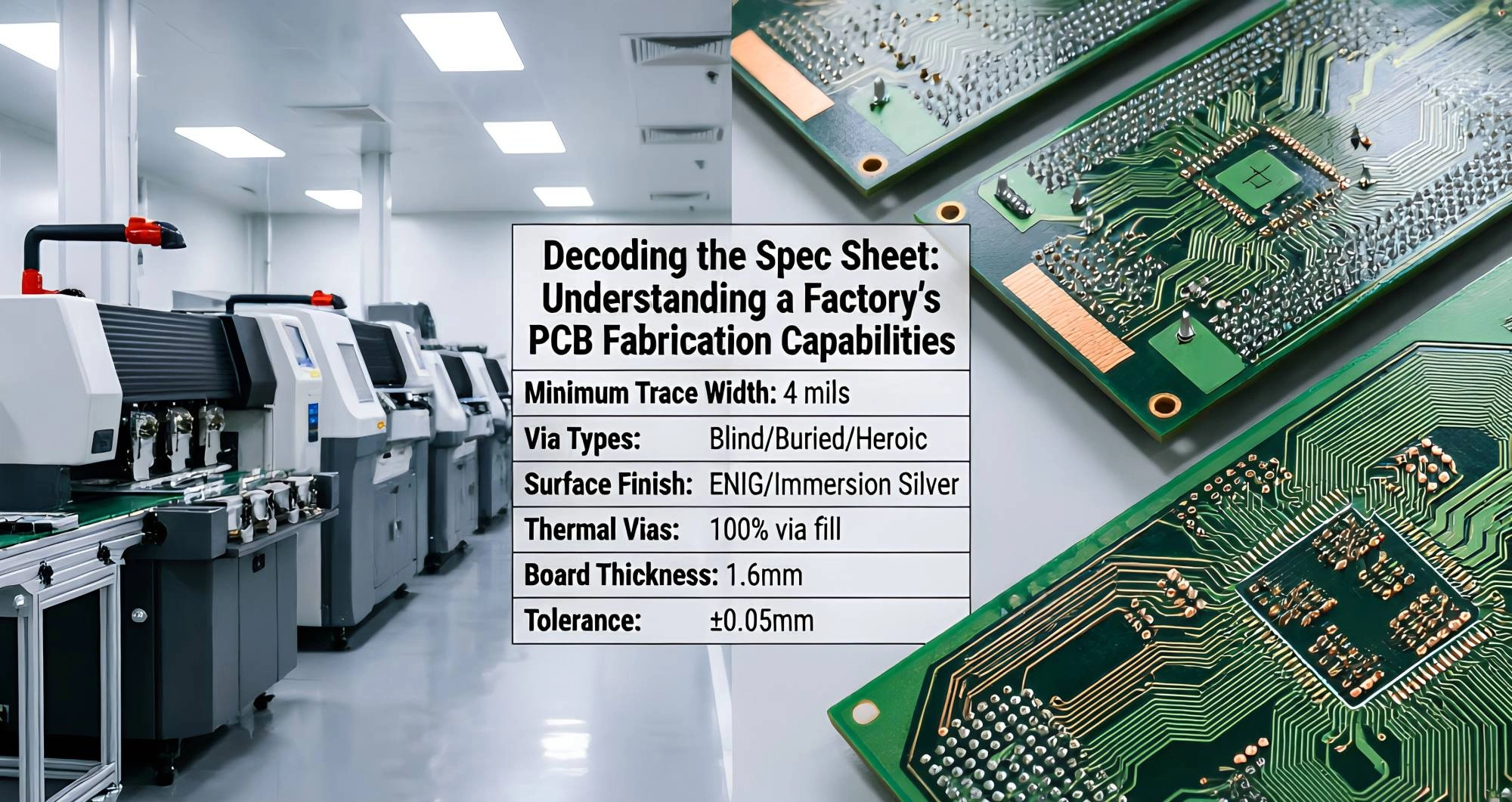
Decoding the Spec Sheet: Understanding a Factory's PCB Fabrication Capabilities June/11/2026 If you are a hardware engineer or a procurement specialist, you have probably stared at a multi-page PDF from a PCB manufacturer and felt completely overwhelmed. A factory's capability spec sheet is essentially their resume. It tells you exactly what they can build, what tolerances they can hold, an...

Top Trends Shaping the Chinese PCB Manufacturing Industry in 2026 May/21/2026 From smart factories to sustainable practices, the forces transforming electronics manufacturing The Transformation Accelerates The Chinese PCB manufacturing industry is undergoing its most significant transformation in two decades. In 2026, leading manufacturers are not just producin...
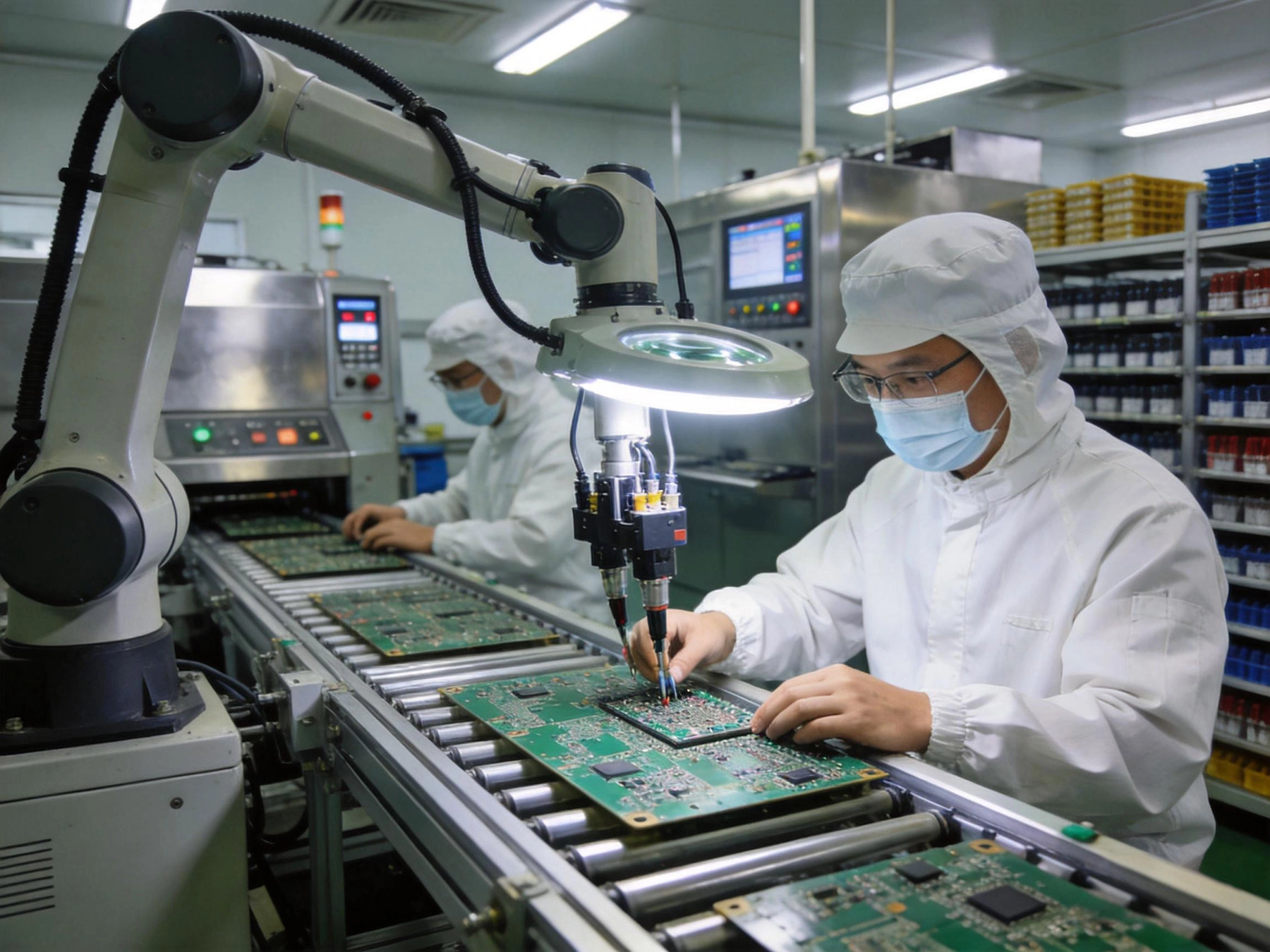
Why Global Brands Are Turning to PCB Fabrication in China in 2026 May/21/2026 The shifting landscape of electronics manufacturing and what it means for your supply chain The Shift Accelerates In 2024, 68% of global electronics brands reported plans to increase PCB sourcing from China. By mid-2026, that number has grown to 84%. This is not just about cost anymor...