Open Nav

The shifting landscape of Electronics Manufacturing and what it means for your supply chain
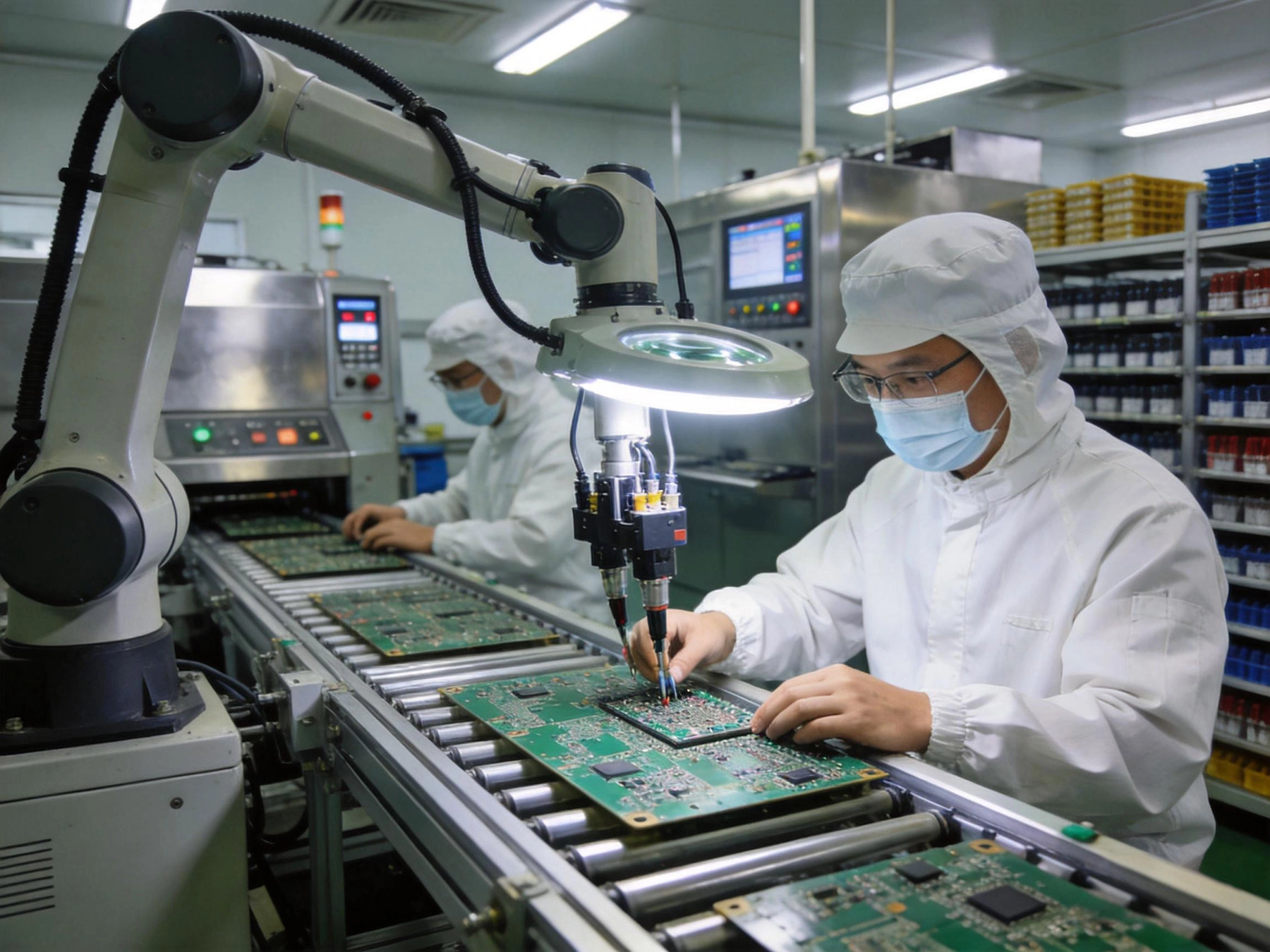
In 2024, 68% of global electronics brands reported plans to increase Pcb Sourcing from China. By mid-2026, that number has grown to 84%. This is not just about cost anymore. It is about access to technology, supply chain resilience, and market proximity that no other manufacturing hub can match.
Early 2025: Major tariff structures stabilized, reducing uncertainty that had pushed some brands toward Vietnam and India. Brands realized that diversification had costs that exceeded the risk of concentration.
Mid 2025: Chinese PCB manufacturers completed major technology upgrades. Ultra-High-density Interconnect (HDI) capabilities that were previously available only in Japan and Taiwan became standard at leading Chinese fabs.
Late 2025: Supply chain disruptions in Southeast Asia highlighted the risks of moving away from established manufacturing ecosystems. Brands that had relocated to Vietnam experienced quality inconsistencies and logistics challenges.
2026: Chinese manufacturers began offering advanced capabilities including embedded components, heavy copper up to 20oz, and flexible circuits with chip-on-film technology at prices 30-40% below competitors.
The technology gap that once justified higher pricing from Japanese and Taiwanese manufacturers has largely closed. Leading Chinese PCB manufacturers now offer:
The cost advantage extends beyond labor. Chinese manufacturers benefit from:
| Cost Factor | China Fab | Western Fab | Impact |
|---|---|---|---|
| Labor cost per employee | $8-12/hour | $35-55/hour | Direct labor savings |
| Equipment utilization | 85-92% | 65-75% | Lower overhead per unit |
| Raw material procurement | Local + volume discounts | Import + logistics | 10-15% material savings |
| Energy costs | $0.06/kWh | $0.12-0.18/kWh | Lower production costs |
| Facility costs | $80-120/m2 | $250-400/m2 | Significant overhead reduction |
Shenzhen and the surrounding Pearl River Delta region has developed the most complete Electronics Manufacturing ecosystem in the world. Within a 100-kilometer radius of Shenzhen, you can find:
Time-to-market advantages are substantial in China:
| Service Level | China Fab | Western Fab |
|---|---|---|
| Prototype (4 layers) | 5-7 days | 10-15 days |
| Prototype (8+ layers) | 8-12 days | 15-25 days |
| Production run | 12-18 days | 25-40 days |
| Engineering changes | 3-5 days | 10-15 days |
| Emergency expedited | 24-48 hours available | Often not available |
Chinese manufacturers have invested heavily in quality systems. Leading fabs now hold certifications including:
More importantly, Chinese manufacturers have invested in advanced testing and inspection capabilities:
Companies manufacturing motor drives, power supplies, and industrial control equipment have been early adopters. These applications require heavy copper for high current, thermal management capabilities, long production runs with consistent quality, and competitive pricing for margin pressure.
A German industrial equipment manufacturer reported 38% cost reduction after moving their power module PCBs to a Shenzhen-based supplier, with zero quality incidents over 18 months of production.
Consumer electronics brands have always sourced from China, but 2026 has seen a shift toward more sophisticated PCBs within those supply chains. Brands that previously used local European manufacturers for advanced boards are now qualifying Chinese suppliers with advanced capabilities.
Medical electronics manufacturers are increasingly qualifying Chinese PCB suppliers for Class II and Class III devices. Requirements include full documentation and traceability, process validation documentation, First Article Inspection (FAI) reporting, and lot traceability from raw material to finished board.
Leading Chinese manufacturers have developed specialized medical division teams that understand FDA and EU MDR requirements.
Automotive electronics has been slower to adopt due to IATF 16949 requirements and long qualification cycles. However, 2026 shows significant acceleration with tier 1 suppliers moving PCB sourcing to China, EV manufacturers qualifying Chinese PCBs for battery management and charging systems, and ADAS manufacturers sourcing camera and radar PCBs.
Tariff structures and trade policies remain unpredictable. Brands should develop contingency plans including dual sourcing for critical products and strategic inventory buffers.
While IP protection has improved, brands should implement appropriate safeguards: compartmentalized designs, secure data transfer protocols, and NDA enforcement with legal teeth.
Direct communication with manufacturers requires managing time zone differences. Brands report that establishing local technical liaisons or using agents with engineering backgrounds significantly improves outcomes.
The most successful brands have moved beyond simple cost-based sourcing to strategic partnership models:
Several trends will shape PCB sourcing decisions in the coming years:
In 2026, the question is no longer whether to source PCBs from China. The question is how to do it effectively. Brands that have developed strategic supplier relationships, implemented appropriate risk management, and leveraged the full ecosystem are achieving 30-50% cost reductions while maintaining or improving quality.
The manufacturers that will succeed are those that treat China sourcing as a strategic capability, not just a tactical procurement decision.
The brands winning in 2026 are those that have moved beyond the "China vs. Not China" debate and focused on building effective global supply chains that leverage China's manufacturing strengths while maintaining appropriate risk management.
Top Trends Shaping the Chinese PCB Manufacturing Industry in 2026May/21/2026

Minimum Trace and Space: How Far Has PCB Technology Advanced?July/01/2026
Any-Layer Interconnect: The Pinnacle of High-Density PCB TechnologyJuly/10/2026
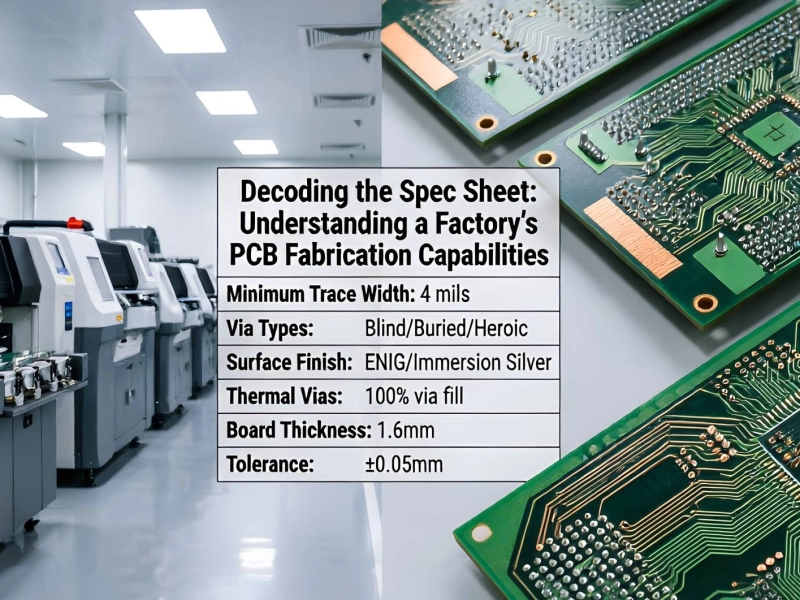
Decoding the Spec Sheet: Understanding a Factory's PCB Fabrication CapabilitiesJune/11/2026
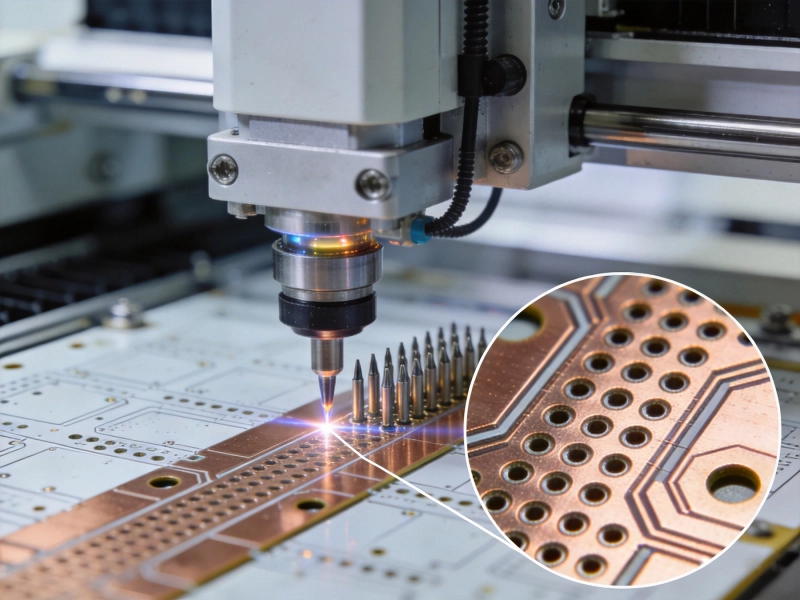
The Art of Drilling: Mechanical vs. Laser Drilling in Modern PCB ManufacturingJune/26/2026
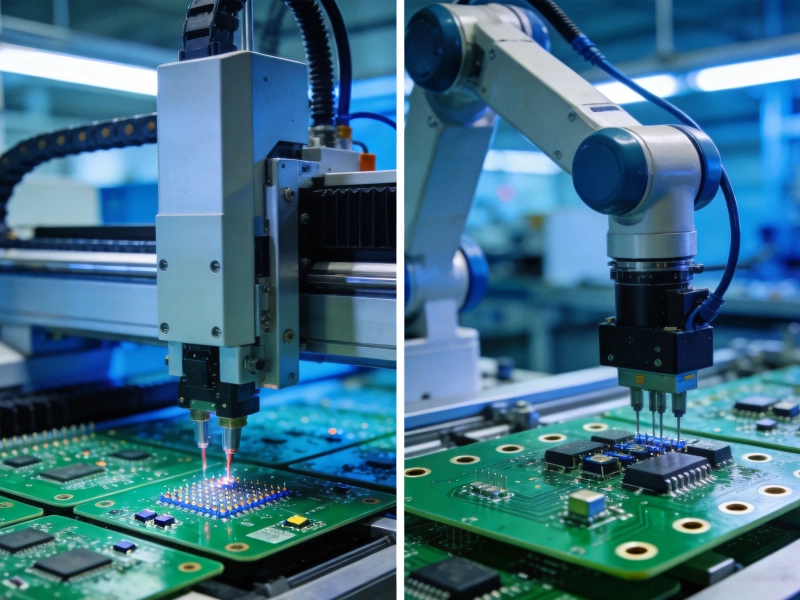
SMT vs THT PCB Assembly in China: Which Technology is Right for Your Project?June/10/2026
Why Quick Turn PCB Fabrication is Critical for R&D TeamsMay/21/2026
The Economics of Customization: Balancing Performance and Budget in PCB DesignJune/17/2026