From smart factories to sustainable practices, the forces transforming Electronics Manufacturing

The Transformation Accelerates
The Chinese Pcb Manufacturing industry is undergoing its most significant transformation in two decades. In 2026, leading manufacturers are not just producing boards. They are pioneering new approaches to quality, sustainability, and intelligent production that will define the industry globally.
Industry at a Glance
65%
Global PCB from China
12,000+
PCB Manufacturers
Trend 1: AI-Powered Quality Control
Artificial intelligence has moved from experimental to essential in Chinese Pcb Manufacturing. Leading fabs have deployed machine learning systems that detect defects with accuracy rates exceeding 99.7%, far surpassing human inspection capabilities.
The transformation spans the entire production process:
-
Automated Optical Inspection (Aoi): AI algorithms now identify defects that traditional rule-based systems miss, including subtle surface anomalies and pattern irregularities
-
X-ray Inspection: Deep learning models analyze internal structures to detect hidden defects in Multilayer Boards with 99.9% accuracy
-
Process Optimization: AI systems continuously adjust plating parameters, etching rates, and lamination conditions to maintain optimal quality
-
Predictive Maintenance: Machine learning predicts equipment failures before they occur, reducing downtime by 35-45%
"Our defect escape rate dropped from 0.8% to 0.12% after implementing AI inspection. That improvement alone saved us $2.3 million last year in rework and warranty costs."
What This Means for Buyers: AI-powered
Quality Control means more consistent boards, fewer field failures, and the ability to qualify for demanding applications like automotive and medical that require extremely low defect rates.
Trend 2: Smart Factory Integration
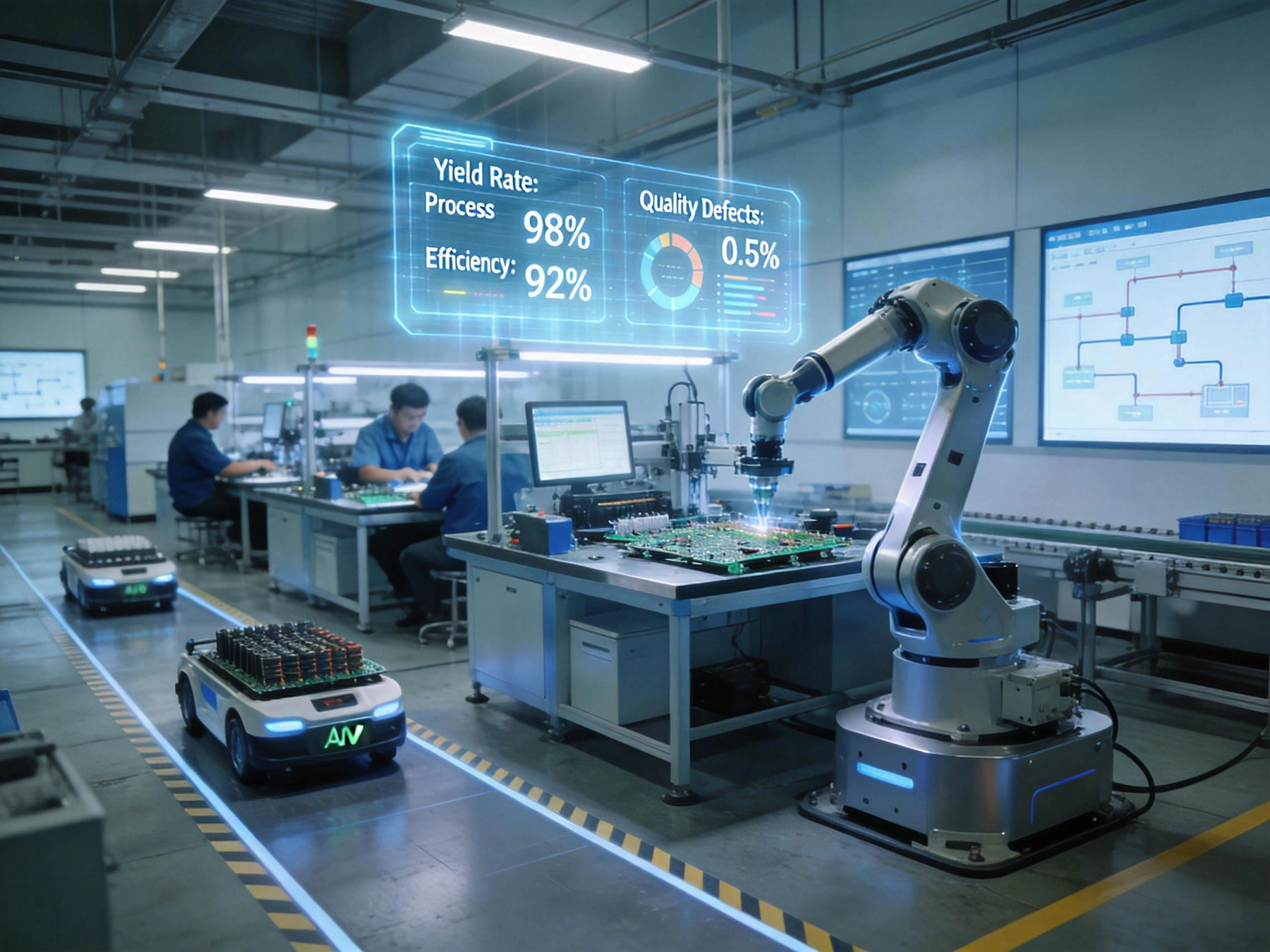
The concept of the Smart Factory has moved from marketing jargon to operational reality. Chinese manufacturers are implementing comprehensive digital integration that connects every aspect of production.
|
Technology
|
Adoption Rate
|
Primary Benefit
|
|
Industrial IoT Sensors
|
78% of leading fabs
|
Real-time process monitoring
|
|
Digital Twin Simulation
|
45%
|
Process optimization before production
|
|
Automated Material Handling
|
62%
|
Reduced contamination, faster flow
|
|
Cloud-Based MES Systems
|
85%
|
Production visibility and traceability
|
|
Blockchain for Traceability
|
22%
|
Supply Chain transparency
|
The integration creates a completely transparent production environment where:
-
Every panel can be traced to its exact manufacturing history
-
Process parameters are recorded automatically for each batch
-
Energy consumption per panel is tracked and optimized
-
Equipment utilization is maximized through intelligent scheduling
The Result: Lead times have shortened by 25-30% at leading smart factories, while quality consistency has improved by 40%. The digital foundation also enables rapid response to engineering changes.
Trend 3: Advanced Material Capabilities
3Advanced Material Capabilities
Chinese manufacturers have rapidly expanded their capabilities with advanced materials that were previously the domain of specialty suppliers in Japan and the West.
Materials Now Standard at Leading Chinese Fabs
-
High-Frequency Laminates: Rogers RT/duroid, Tachyon, and Chinese alternatives like Taizhou Wanda are now routinely stocked and processed
-
Thermal Management Materials: Metal core PCBs, IMS substrates, and thermal vias with thermal conductivity up to 12 W/mK
-
Flexible and Rigid-Flex: Capabilities matching or exceeding international standards for layer count, minimum bend radius, and durability
-
High-Tg Materials: Tg 150-180 materials for lead-free assembly and high-temperature applications
-
Halogen-Free Options: Complete halogen-free product lines meeting environmental regulations
Capacity Crunch: While capabilities have expanded, demand for advanced materials sometimes exceeds supply. Buyers should plan 2-3 weeks additional lead time for specialty laminates.
Innovation in Embedded Components
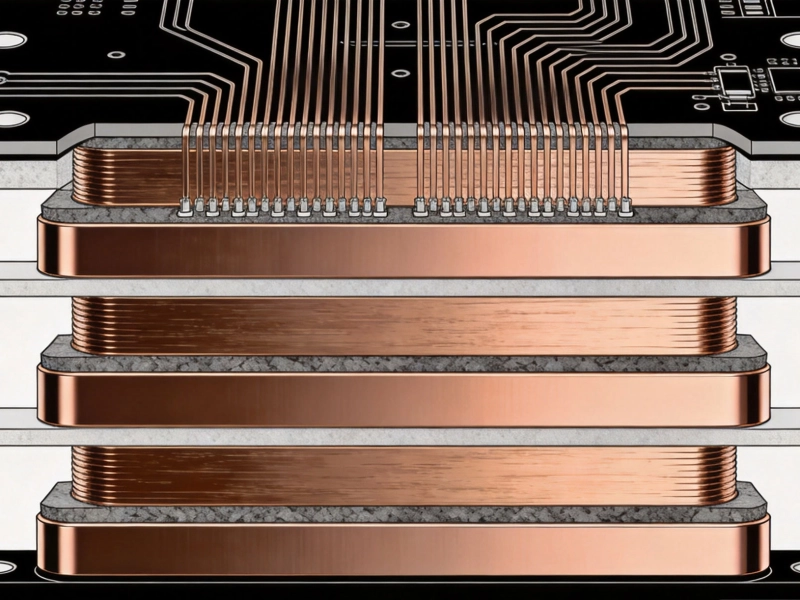
Chinese manufacturers are pioneering embedded component technology where resistors, capacitors, and even active devices are buried within the PCB structure. This reduces board size by 40-60% and improves electrical performance by eliminating parasitics.
Leading manufacturers can now embed:
-
Thin-film resistors with 1% tolerance
-
MLCC capacitors up to 10nF
-
LEDs and sensors
-
RFID chips for traceability
Trend 4: Sustainability and Green Manufacturing
4Sustainability and Green Manufacturing
Environmental compliance has moved from a cost center to a competitive differentiator. Chinese manufacturers are investing heavily in sustainable practices that meet both regulatory requirements and customer expectations.
Sustainability Initiatives Driving Change
Water Recycling: Advanced water treatment systems now achieve 85-90% recycling rates, reducing freshwater consumption by 60% compared to traditional processes
Chemical Management: Closed-loop chemical recovery systems reduce hazardous waste by 40% while lowering operating costs
Renewable Energy: Solar installations at manufacturing facilities now provide 15-25% of energy needs, with targets of 40% by 2028
Zero-Landfill Programs: Waste recycling partnerships ensure that 95%+ of production waste is diverted from landfills
Carbon Tracking: Real-time carbon footprint monitoring per panel allows customers to qualify products for carbon-neutral claims
Market Impact: European and North American brands increasingly require sustainability reporting. Chinese manufacturers with robust environmental programs are winning contracts that smaller, less sophisticated suppliers cannot access.
Compliance Certifications Expanding
-
ISO 14001 environmental management (now standard)
-
ISO 50001 energy management (growing adoption)
-
RoHS and Reach Compliance (universal)
-
Customer-specific sustainability requirements (custom programs)
-
Carbon disclosure programs (CDP, EcoVadis)
Trend 5: Supply Chain Resilience
Recent global disruptions have forced a fundamental rethink of supply chain strategy. Chinese manufacturers are investing in capabilities that protect against future shocks while maintaining the cost advantages that drive their competitiveness.
Strategies for Resilience
-
Dual-Source Materials: Key raw materials now sourced from multiple suppliers in different regions, eliminating single points of failure
-
Strategic Inventory: Buffer stocks of critical materials maintained at manufacturer sites, typically 4-8 weeks of supply
-
Geographic Diversification: Large manufacturers establishing secondary facilities in different provinces to reduce geographic risk
-
Long-Term Supplier Contracts: Price stability agreements with key material suppliers lock in supply and pricing
"We weathered the 2024 substrate shortage better than any of our competitors because we had locked in supply two years earlier. Our customers saw zero interruptions while others waited 16 weeks for material."
- Operations Director, Leading Chinese PCB Group
Lead Time Stability Improvements
Despite global disruptions, Chinese manufacturers have improved lead time predictability:
|
Product Type
|
2024 Avg Lead Time
|
2026 Avg Lead Time
|
On-Time Delivery Rate
|
|
Standard 4-layer
|
12-15 days
|
8-10 days
|
94%
|
|
Complex 8+ layer
|
18-25 days
|
14-18 days
|
91%
|
|
HDI/High-density
|
25-35 days
|
18-24 days
|
88%
|
|
Flexible/Rigid-Flex
|
20-30 days
|
15-22 days
|
89%
|
Trend 6: R&D Investment and Innovation
6R&D Investment and Innovation
Chinese PCB manufacturers are transforming from followers to leaders in technology development. R&D spending has increased 40% over the past three years, with major investments in next-generation capabilities.
Areas of Innovation Focus
-
Packaging Integration: Developing PCB solutions that integrate multiple functions, reducing system-level footprint and cost
-
Thermal Management: New material combinations and structures for superior heat dissipation in Power Electronics
-
High-Speed Materials: Low-loss laminates for 5G, radar, and high-speed computing applications
-
Miniaturization: Fine-line, fine-spacing capabilities approaching 30-micron lines and spaces
-
Automotive Electronics: Materials and processes optimized for the demanding automotive environment
Patent Activity: Chinese PCB manufacturers filed 3,400+ patents related to PCB manufacturing in 2025, a 65% increase from 2023. Innovation is accelerating, not slowing.
Partnerships with Material Suppliers
Leading manufacturers now collaborate directly with material companies to develop custom formulations that address specific performance requirements. These partnerships enable:
-
Faster qualification of new materials
-
Custom properties for specific applications
-
Supply security through development agreements
-
Cost optimization through shared development investment
Trend 7: Workforce Development
7Workforce Development
The industry recognizes that advanced manufacturing requires advanced skills. Chinese manufacturers are investing significantly in training and education for their workforce.
Skill Development Programs
-
Technical Training: Comprehensive programs covering process technology, quality systems, and equipment operation
-
Certification Pathways: Structured career development with recognized certifications (Ipc Standards, quality certifications)
-
University Partnerships: Relationships with engineering programs to develop industry-specific curriculum
-
Cross-Training: Programs that develop multi-skilled operators who can work across multiple production areas
Labor Market Pressure: The industry faces competition for skilled workers from other sectors. Manufacturers are increasing wages 8-12% annually and improving working conditions to attract and retain talent.
Automation Reducing Labor Intensity
While workforce development remains important, Automation is reducing dependence on manual labor for routine tasks:
-
Automated material handling systems
-
Vision-guided robotic assembly
-
Automated testing and inspection
-
AI-driven process optimization
This shift allows workers to focus on higher-value activities including process engineering, quality analysis, and continuous improvement.
Trend 8: Customer Experience Transformation
8Customer Experience Transformation
Competition for customers has driven a fundamental improvement in how Chinese manufacturers interact with their clients. The transactional relationship of the past is giving way to strategic partnerships.
Service Improvements
-
Engineering Support: Dfm (Design For Manufacturability) reviews provided free or at low cost to help customers optimize designs
-
Online Portals: Real-time access to order status, quality data, documentation, and production tracking
-
Flexible Minimum Orders: Many manufacturers now accept orders as small as 5 panels for Prototype quantities
-
Rapid Response: Engineering inquiries responded to within 24 hours, typically much faster
-
Sample Programs: Free or discounted samples for new qualifications
"We used to dread talking to our Chinese suppliers. Now they call us with suggestions for improving our design and reducing costs. The relationship has completely changed."
- Procurement Manager, European Electronics Company
Documentation and Compliance Support
Meeting documentation requirements has become a competitive differentiator:
-
Complete manufacturing data packages available on request
-
First Article Inspection (FAI) reports with every new part number
-
Material declarations and substance reporting
-
Quality records retained for 10+ years
-
Certificate of Conformance with every shipment
What This Means for Global Buyers
The trends shaping Chinese PCB manufacturing have direct implications for how you should approach your supply chain strategy.
Key Strategic Considerations
-
Quality Expectations Rising: You can now expect quality levels from leading Chinese manufacturers that match or exceed traditional Western suppliers. Use supplier scorecards and qualification processes to identify the best partners.
-
Technology Access: Advanced capabilities are no longer reserved for premium-priced specialists. Talk to multiple suppliers about your specific requirements.
-
Sustainability Matters: If environmental compliance is important to your customers, ensure your suppliers can provide the documentation and certifications you need.
-
Build Relationships: The transactional model is giving way to partnership models. Invest time in developing strategic supplier relationships that benefit both parties.
-
Plan Ahead: Lead times have improved but can still be impacted by demand surges. Provide demand forecasts and plan for engineering changes with adequate lead time.
-
Qualify Alternatives: While supply chains are more resilient, having qualified secondary suppliers remains important for critical applications.
The Outlook: 2027 and Beyond
The trends driving change in Chinese PCB manufacturing will continue to accelerate:
-
Further Automation: Expect continued investment in robotic and AI-driven production systems, reducing costs and improving consistency
-
Technology Leadership: Chinese manufacturers will increasingly lead in technology development, not just follow
-
Consolidation: The industry will continue to consolidate, with leading manufacturers growing while smaller players exit or get acquired
-
Service Innovation: Competition will drive continued improvement in customer experience and service offerings
-
Sustainability Focus: Environmental compliance will become even more important as regulations tighten and customers demand greener products
The Bottom Line
The Chinese PCB manufacturing industry has matured from a low-cost production platform to a technologically advanced, customer-focused sector that competes on quality, innovation, and service as much as cost.
Buyers who understand and leverage these trends will find opportunities to improve quality, reduce costs, and access capabilities that were unavailable just a few years ago.