Open Nav

Whether you are racing to meet a tight project deadline, preparing for a crucial client demonstration, or simply need to troubleshoot a design flaw quickly, Quick Turn fabrication provides the efficiency needed to bring innovative ideas to market faster than ever before.
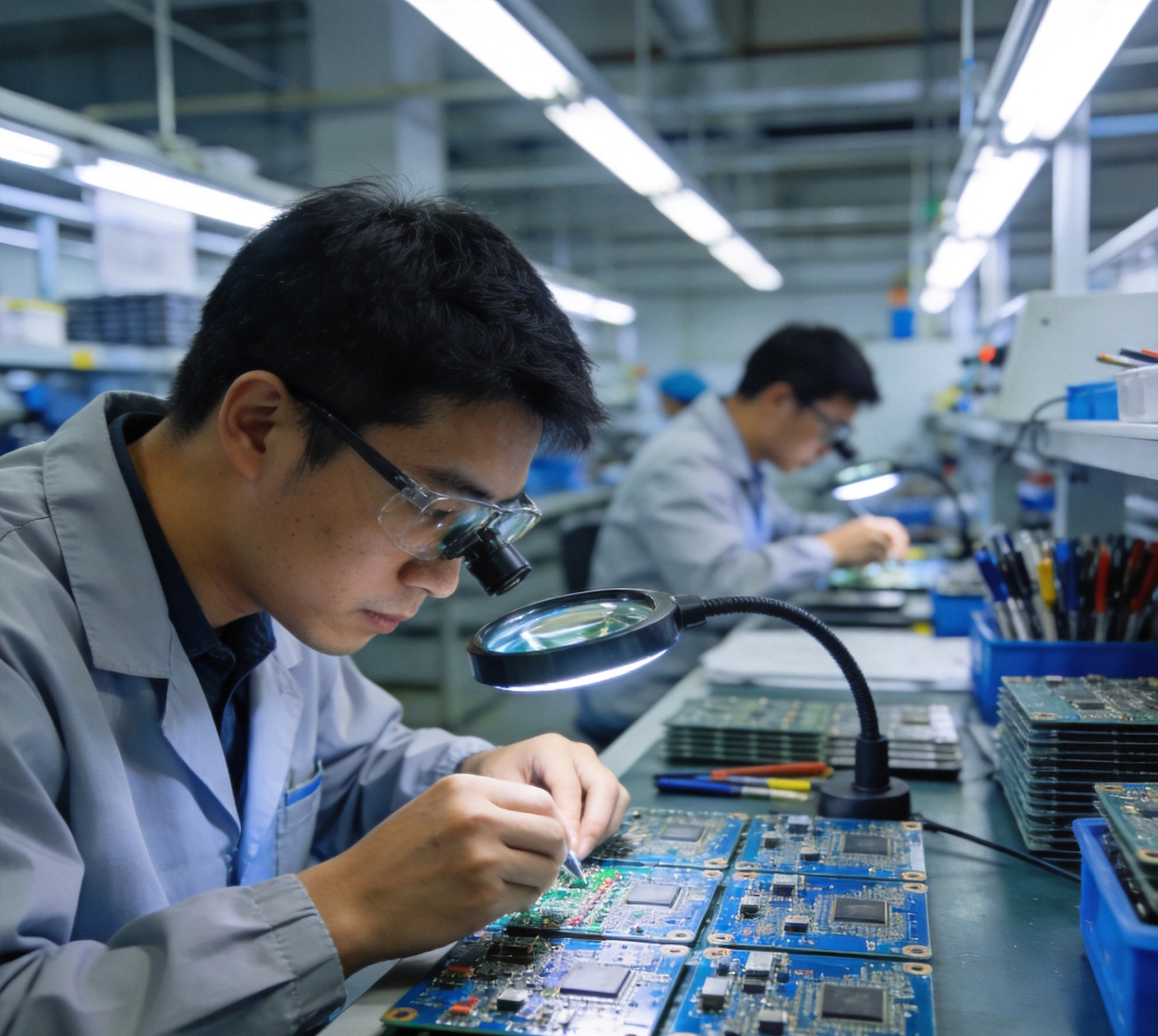
Questions to Ask Before Placing a Rush Order for PCB FabricationSeptember/15/2026Product development timelines rarely cooperate with realistic manufacturing schedules. When a critical deadline approaches and your boards haven't been fabbed, the temptation to rush becomes strong. Rush PCB fabrication promises faster turnaround, but it comes with questions that deserve careful a...
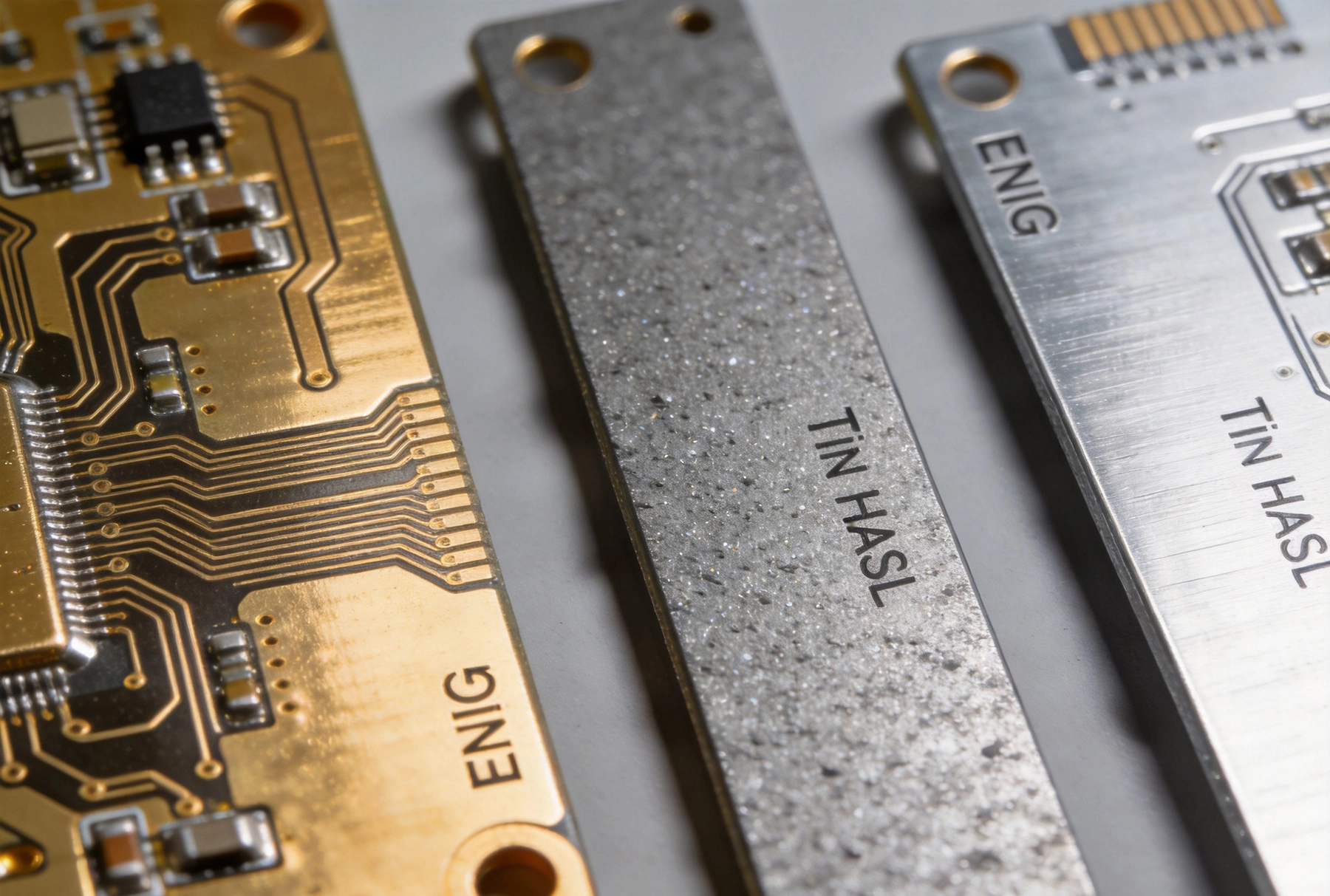
Custom Surface Finishes: Choosing Between ENIG, HASL, OSP, and Immersion SilverSeptember/14/2026Selecting the right surface finish for your PCB is one of those decisions that looks simple on paper but carries real consequences for solderability, shelf life, signal integrity, and cost. Each finish—ENIG, HASL, OSP, and immersion silver—has a distinct set of properties that make it better suite...
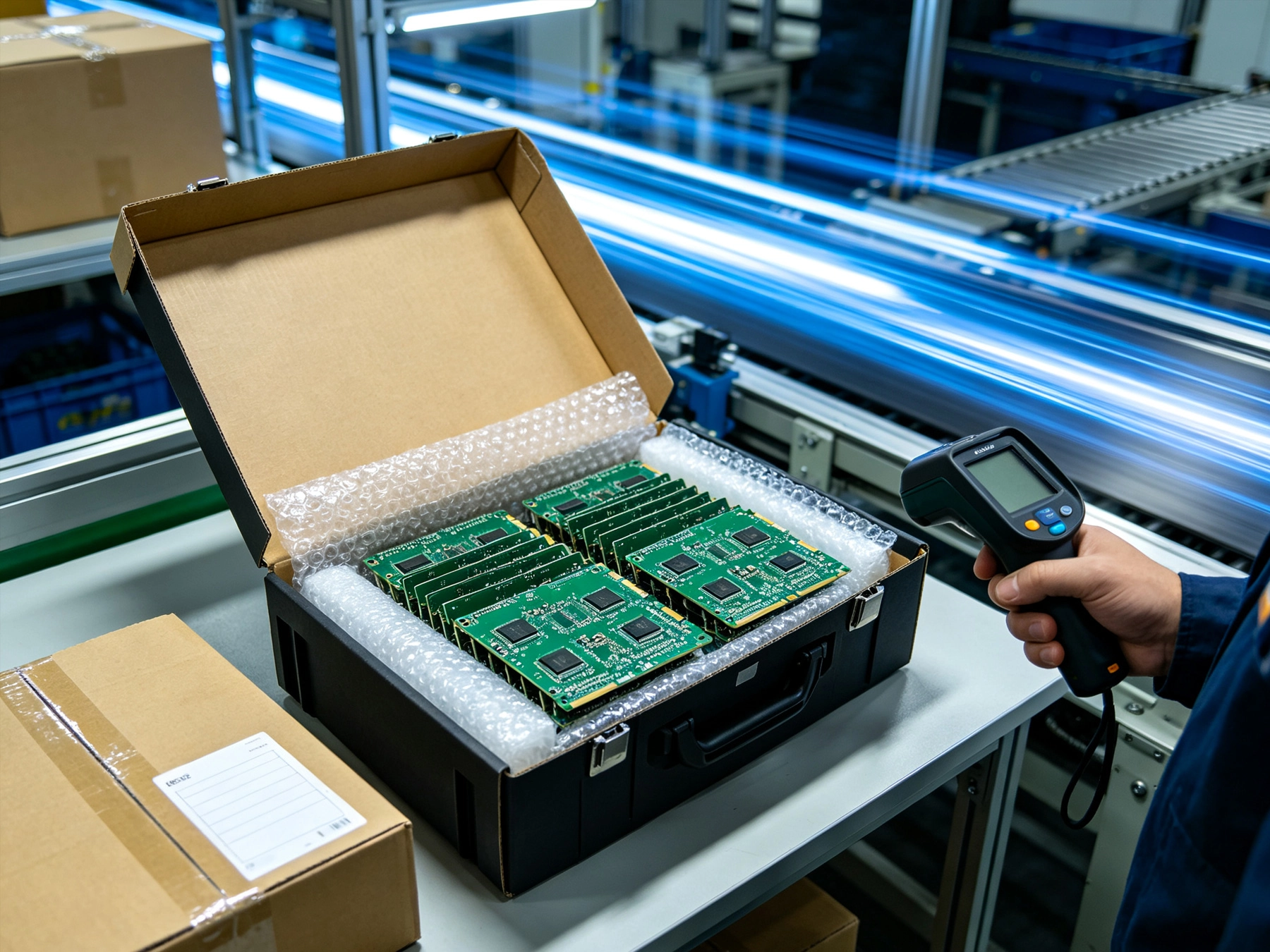
The Logistics of Speed: Shipping and Handling for Urgent PCB DeliveriesSeptember/03/2026In the fast-paced world of electronics manufacturing, time represents both money and competitive advantage. When production schedules compress, prototype deadlines loom, or critical failures require immediate replacement, urgent PCB deliveries become mission-critical operations. The logistics of...
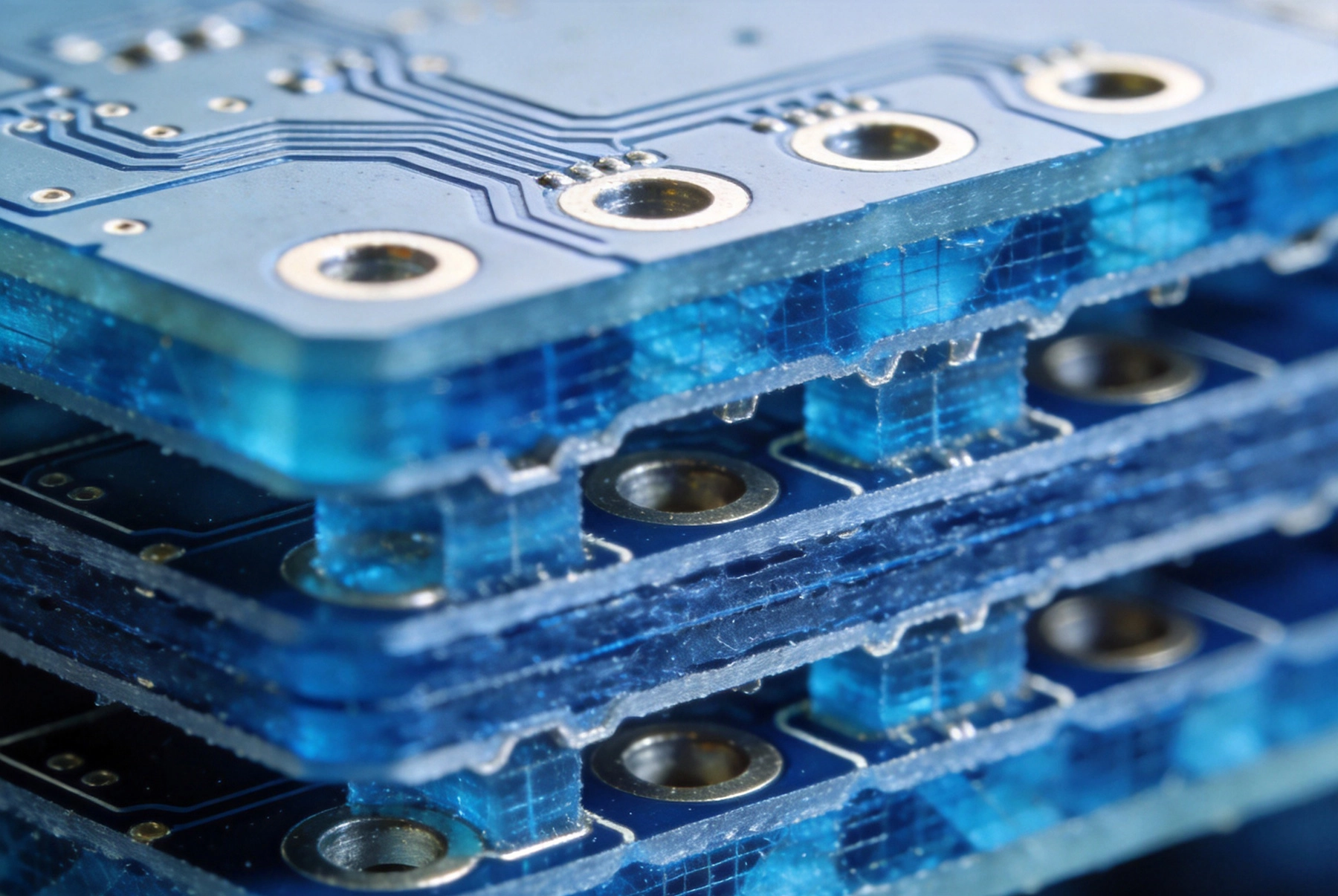
Microvias and Blind/Buried Vias: Key Technologies in HDI FabricationAugust/11/2026The relentless drive toward smaller, lighter, and more capable electronic devices has forced PCB designers to push beyond the limitations of conventional through-hole and multilayer board technology. In the consumer electronics that fill pockets and backpacks worldwide — smartphones, tablets, wear...
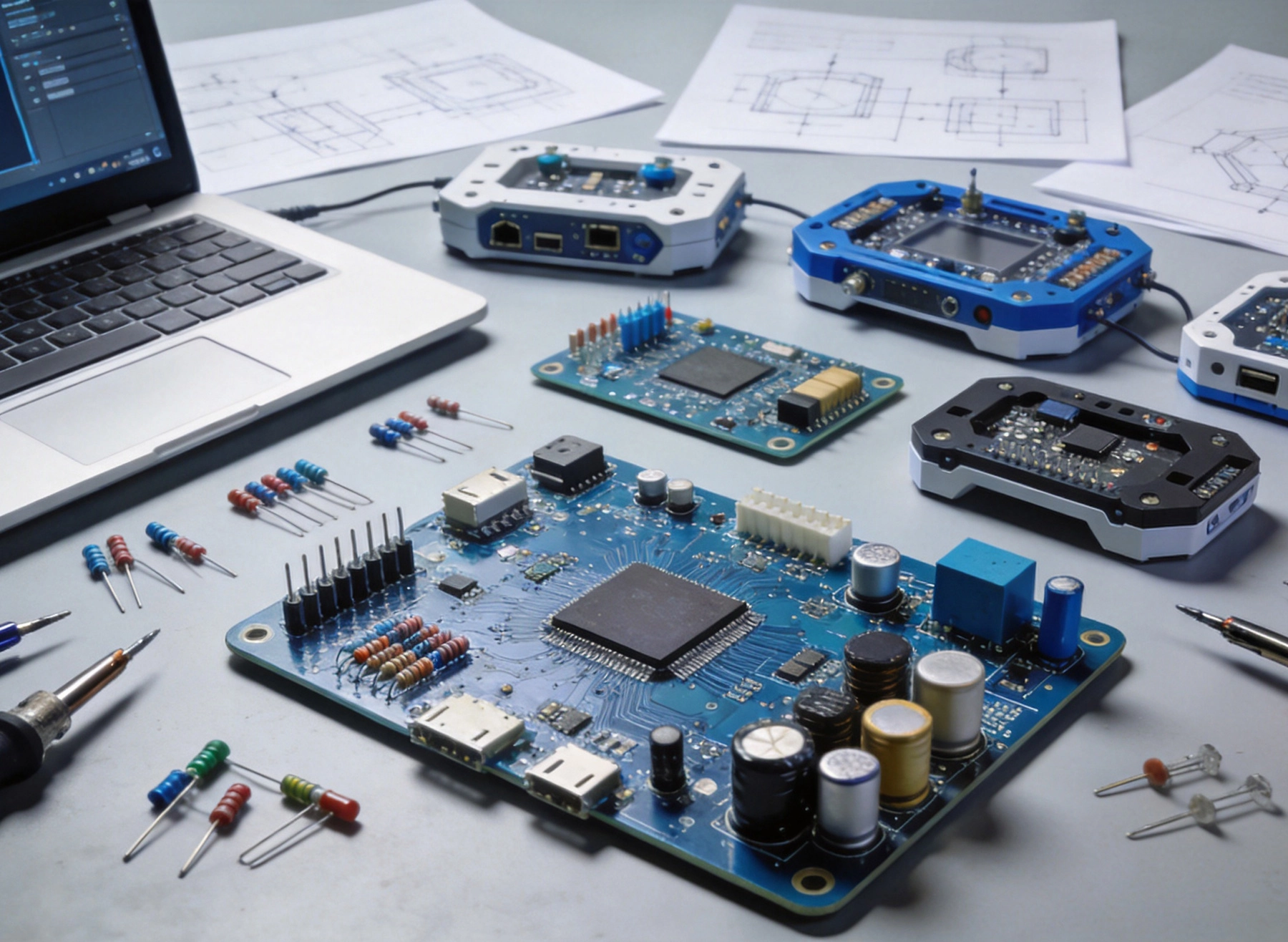
Why Startups Rely on Quick Turn Fabrication to Secure Funding FasterAugust/08/2026 In the high-stakes world of hardware startups, the gap between concept and demonstrable prototype often determines whether a young company thrives or fades into obscurity. Quick turn fabrication has emerged as a critical enabler for hardware startups, compressing development timelines from mon...
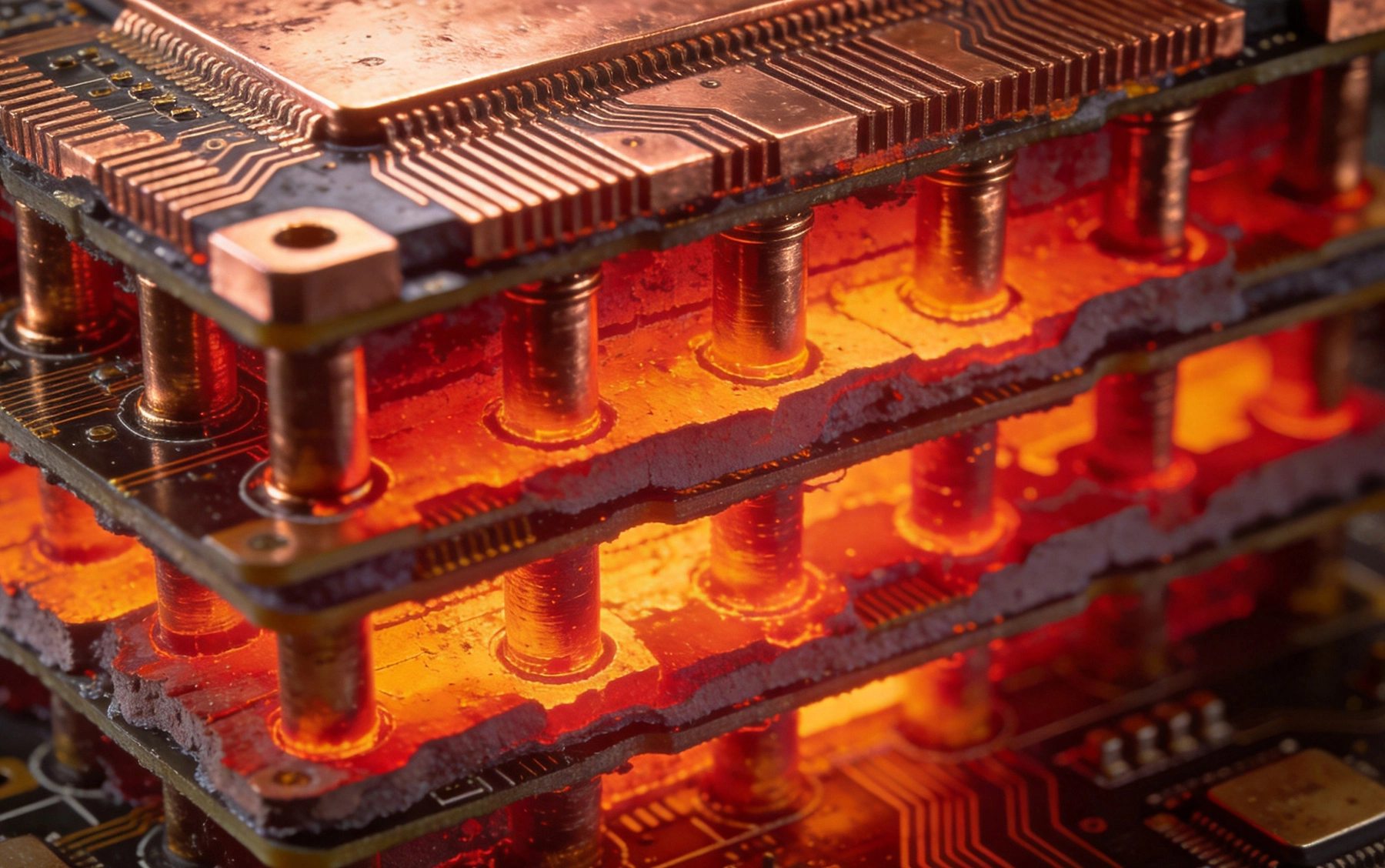
Thermal Management Strategies for Dense Multilayer PCB DesignsJuly/31/2026Dense multilayer printed circuit boards push the boundaries of electronics miniaturization. Fitting more functionality into smaller form factors creates significant thermal challenges that designers must address early in the development process. Heat buildup in compact assemblies degrades componen...
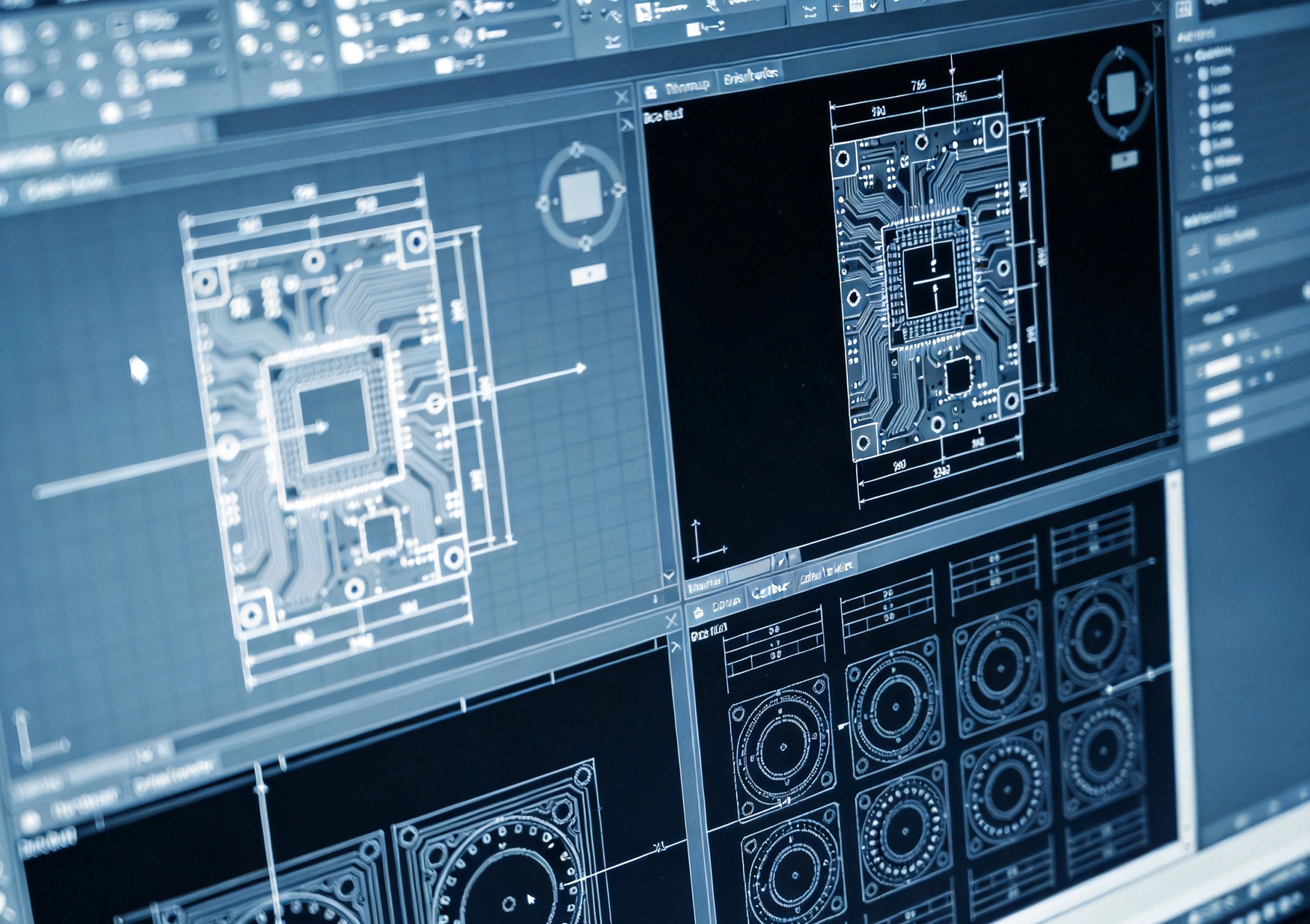
Best Practices for Preparing Files for Expedited PCB ManufacturingJuly/29/2026Time-to-market pressure drives more hardware teams to pursue expedited PCB manufacturing timelines. Whether you are validating a new product concept, responding to a competitive threat, or simply running behind schedule, the ability to compress manufacturing turnaround can be the difference betwee...
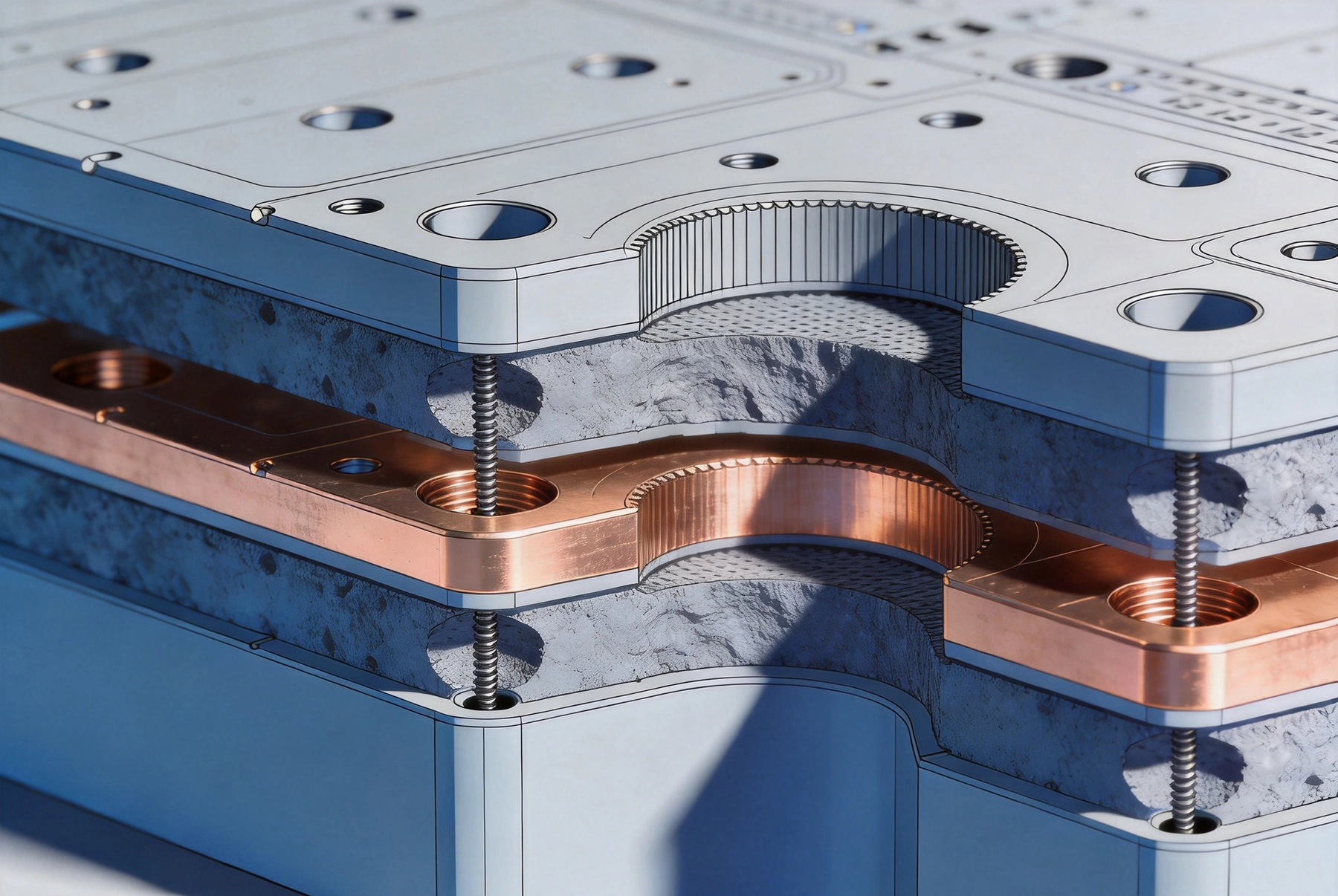
How to Specify Tolerances and Stack-ups for High-Precision Custom PCBsJuly/28/2026A precision PCB design is only as good as the specifications that accompany it. When we review fabrication drawings for high-reliability projects, the single most common issue is not the design itself but the gap between what the engineer intended and what the documentation actually says. Toleranc...
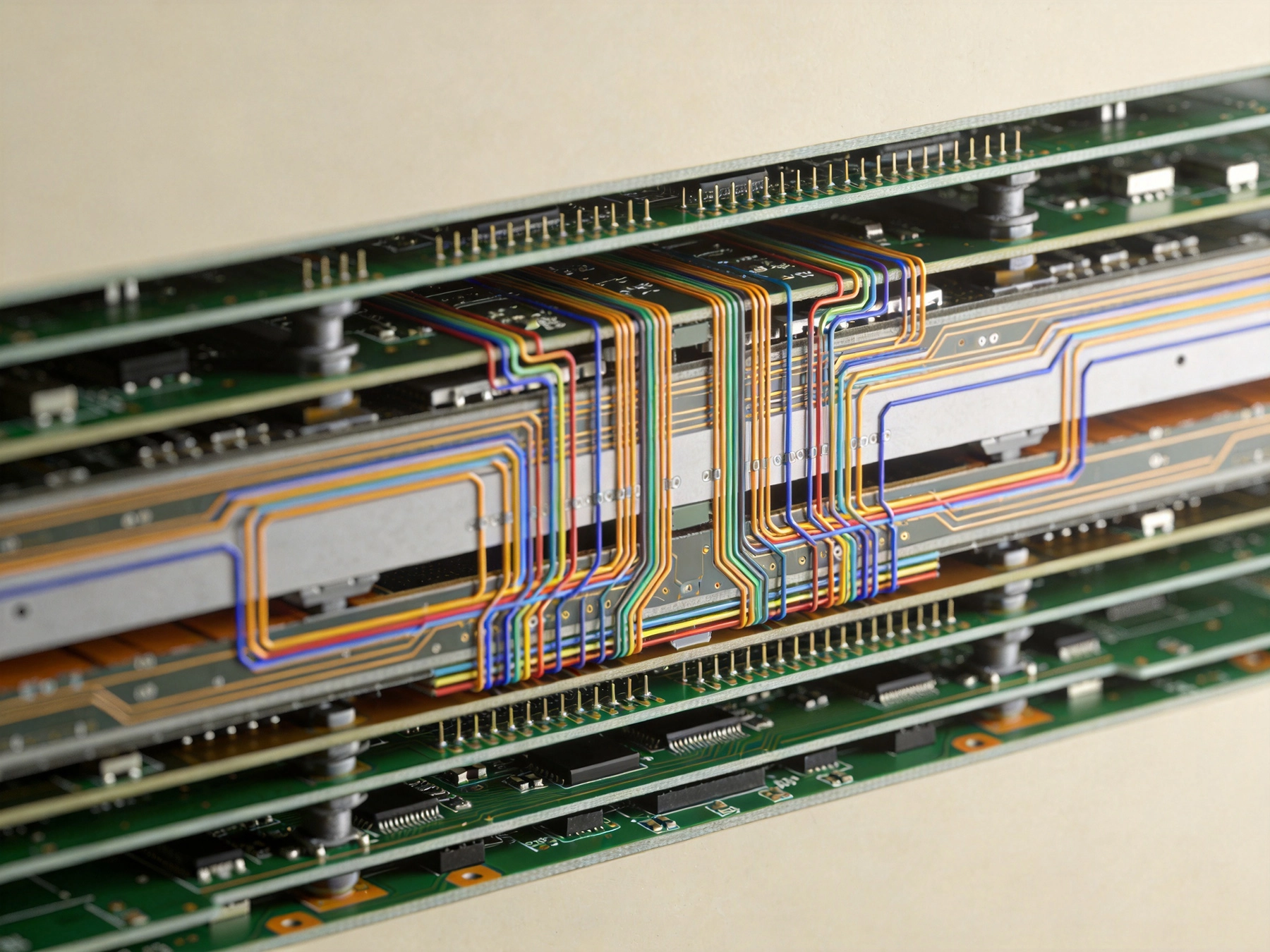
Managing Signal Integrity and Impedance Control in High-Speed Multilayer PCBsJuly/21/2026As digital systems push into ever-higher frequencies, the principles that once applied only to RF design now govern everyday PCB layouts. Signal integrity—once a concern primarily for telecommunications and radar systems—has become central to everything from smartphone processors to automotive ele...
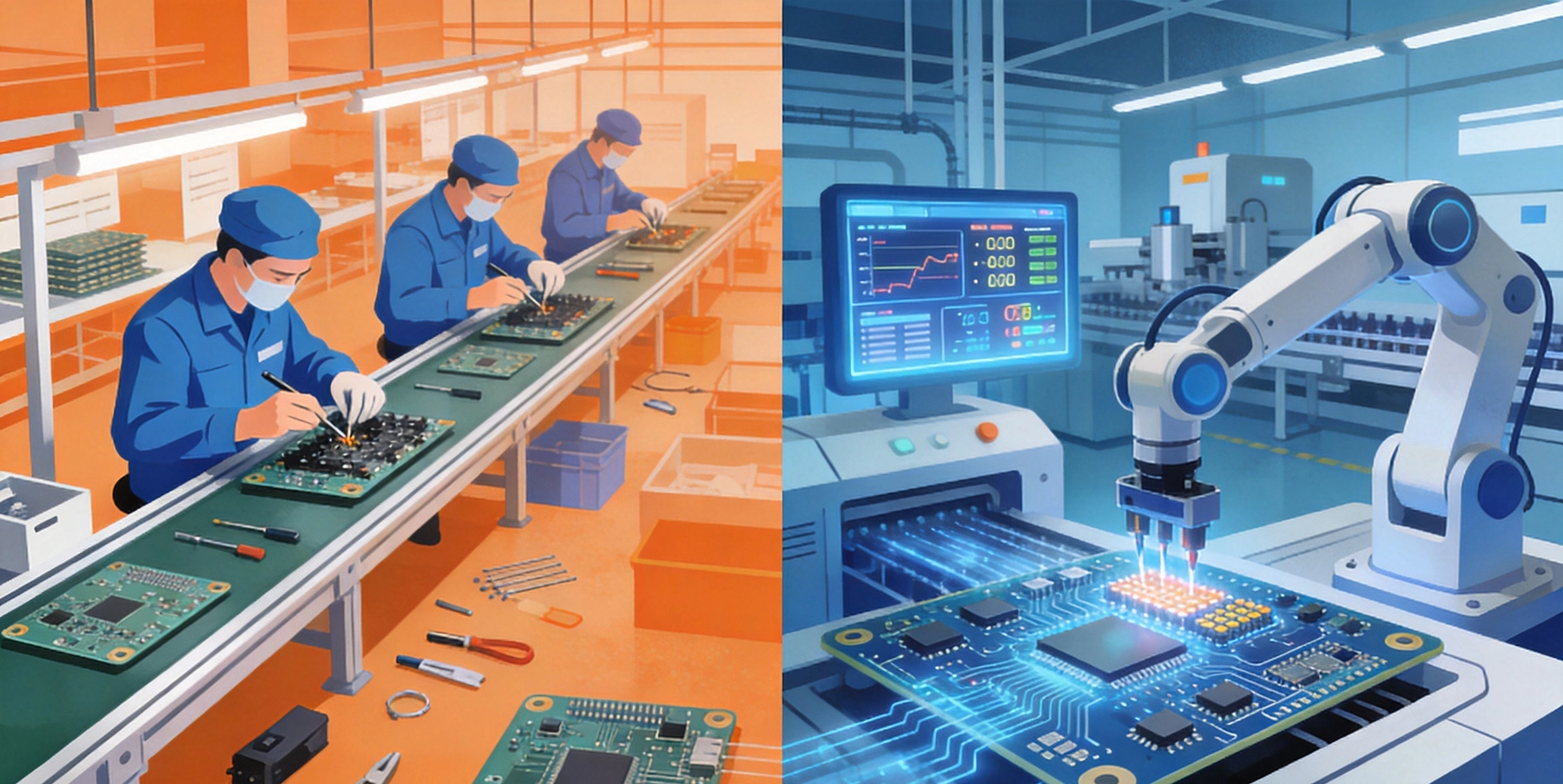
Comparing Traditional vs. Digital Quick Turn PCB ServicesJuly/18/2026The landscape of PCB manufacturing has undergone significant transformation over the past decade. What once required weeks of lead time through traditional fabrication facilities can now be accomplished in hours through digital manufacturing technologies. Understanding the differences between trad...
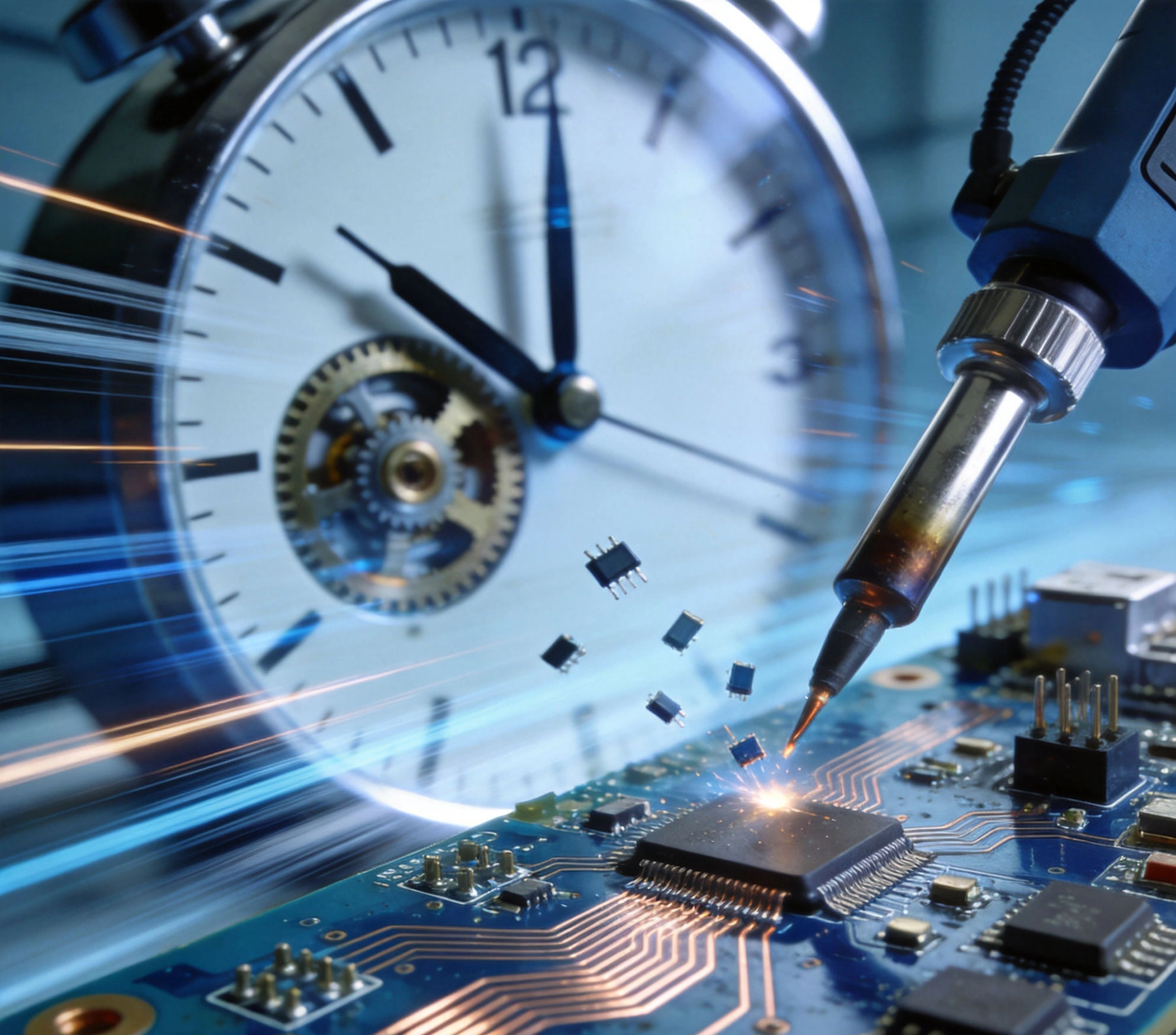
Emergency PCB Runs: Strategies for Getting Boards Fast Without Sacrificing ReliabilityJuly/08/2026Every engineering team has been there. A product launch looms, a critical field failure needs an immediate fix, or a key customer demonstration is scheduled for next week. Your prototype PCBs need to arrive yesterday. In situations like these, emergency PCB runs become not just convenient but esse...

How AI-Driven Scheduling is Making Rapid PCB Prototyping More ReliableJune/18/2026Rapid PCB prototyping sits at the intersection of speed and reliability—engineers need boards fast, but prototypes that fail or arrive late provide no value at all. Traditional scheduling approaches treat prototype facilities like job shops, moving work through固定的工序 based on simple rules that cann...
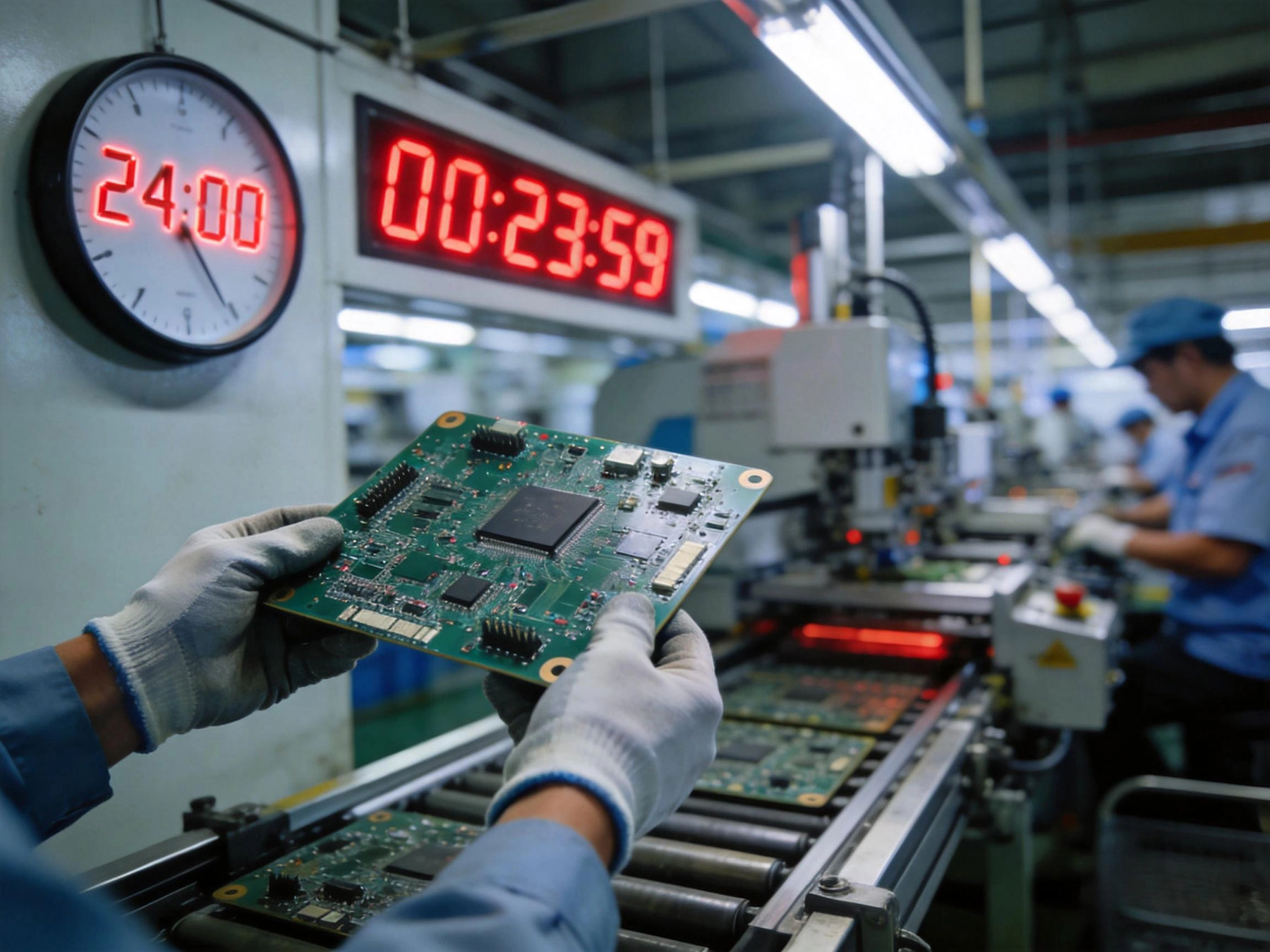
24-Hour Turnaround: Is it Possible and How Does it Work?May/21/2026Separating fact from fiction in same-day PCB fabricationThe Short Answer: Yes, But With Conditions24-hour PCB turnaround is absolutely possible, but it is not magic. It requires specific board characteristics, excellent preparation, premium pricing, and a manufacturer set up for rap...
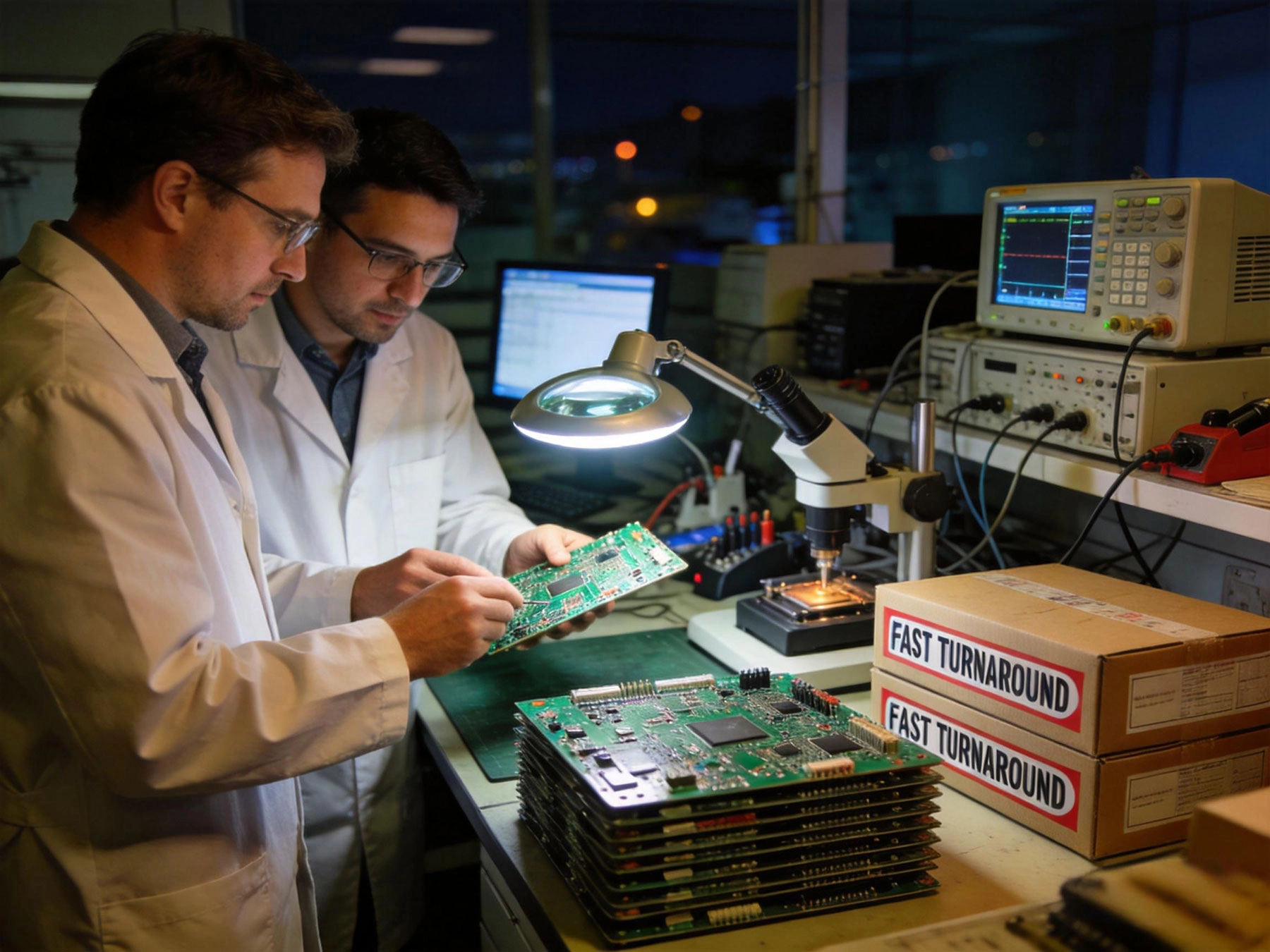
Why Quick Turn PCB Fabrication is Critical for R&D TeamsMay/21/2026How fast prototyping transforms the innovation cycle and determines who wins in competitive marketsThe Innovation BottleneckEvery R&D team has felt it: the frustrating gap between a promising concept and a working prototype. When your competitors are moving at startup speed and ...