Open Nav

Product Development timelines rarely cooperate with realistic manufacturing schedules. When a critical deadline approaches and your boards haven't been fabbed, the temptation to rush becomes strong. Rush PCB Fabrication promises faster turnaround, but it comes with questions that deserve careful answers before you commit. A poorly planned rush order can cost more than just money—it can introduce defects, create compatibility issues, and blow past deadlines anyway due to preventable delays.

This guide walks through the essential questions that should be answered before placing any rush PCB order. Getting clear on these points before submission helps ensure your expedited boards arrive on time, work correctly, and don't introduce unexpected complications into your project.
Rush PCB Fabrication compresses normal production timelines by prioritizing your boards over standard orders. Manufacturers achieve this through dedicated machine time, overtime shifts, and streamlined queue management. The faster your turnaround, the more resources must be dedicated away from other work.
Not all rush requests are equal. A 24-hour turnaround costs more than a 48-hour rush, which costs more than a 5-day expedited order. Understanding the pricing tiers and production realities helps you request realistic timelines. Some manufacturers advertise aggressive turnarounds but deliver later—verification through references and reviews protects against false promises.
Rush fabrication affects not just your timeline but also the manufacturer's workflow. Some shops handle rush orders routinely; others treat them as exceptions that may compromise quality. Knowing which type you're working with shapes how thoroughly you should verify requirements before submission.
Rush fabrication fails before it starts when design files contain errors. Before submitting a rush order, verify that Gerber Files include all necessary layers: copper traces, Solder Mask, Silkscreen, drill files, and board outline. Missing layers create back-and-forth communication that consumes the time you're trying to save.
Design Rule Check (DRC) verification should be completed before submission. Standard DRC rules catch clearance violations, trace width problems, and annulus issues that could cause fabrication problems. Running DRC before rush submission prevents your expedited order from becoming delayed while the manufacturer requests corrections.
Stackup specifications need to be clearly communicated for Multilayer Boards. Layer count, copper weights, dielectric thicknesses, and impedance requirements all affect manufacturing. Ambiguity in stackup specifications creates risk—fabricators may default to standard stackups that don't match your design intent, causing failures during testing.
Material selection affects both cost and delivery time. Standard FR-4 materials are readily available and process reliably. High-performance materials like Polyimide, Rogers, or specialized laminates may require longer lead times or additional processing steps. For rush orders, specifying readily available materials reduces delivery risk.
Minimum feature sizes matter for manufacturing feasibility. Trace widths, spacings, and drill sizes that a manufacturer can produce quickly may differ from capabilities advertised for standard deliveries. Asking about minimum achievable specifications under rush conditions prevents surprises when the manufacturer flags your design as requiring non-standard processing.
Surface finish selection impacts delivery time. Hasl (Hot Air Solder Leveling) is common and fast. Enig (Electroless Nickel Immersion Gold) takes longer due to additional process steps. For extreme time constraints, surface finish compatibility with your assembly process should be verified—if your assembly requires Enig but Hasl is the only rush-compatible option, you may face assembly problems.
Multilayer Boards with blind, buried, or blind-via structures take substantially longer to manufacture than through-hole only designs. These features require sequential lamination steps that multiply processing time. For rush orders, boards with complex via structures may not be feasible at advertised turnaround times.
Stacked Microvias and any-layer HDI structures represent the extreme end of fabrication complexity. While some manufacturers excel at these technologies, the processes involved inherently require more time than standard multilayer production. If your design requires these features, realistic rush timelines may be longer than basic expedited quotes suggest.
Asking your fabricator specifically about via structure feasibility under rush conditions helps set appropriate expectations. Sometimes splitting requirements—using a simpler board stackup with routing channels to achieve density—can dramatically reduce fabrication time while maintaining functional requirements.
Rush fabrication often skips or compresses quality checkpoints. Standard production might include visual inspection, Electrical Testing, and dimensional verification at multiple stages. Compressed timelines may mean final testing only, with intermediate inspection steps abbreviated or eliminated.
Asking directly about inspection processes during rush fabrication helps assess quality risk. Quality-focused manufacturers maintain standards even for expedited orders—they may charge more but won't sacrifice reliability. Others may reduce inspection to meet timelines, potentially allowing defects to reach customers.
Impedance-controlled boards require particular attention during rush fabrication. The testing equipment and process steps for impedance verification may take longer than basic electrical test. If your design requires tight impedance tolerance, clarify whether the manufacturer can verify impedance within your expedited timeline. Some shops cannot guarantee impedance testing results within compressed timeframes.
Standard Electrical Testing—typically Flying Probe or fixture-based testing—should be included in rush fabrication quotes. Flying Probe testing verifies connectivity without custom fixtures, making it faster to implement. For complex boards with many nets, confirm that test coverage is adequate and can be completed within your timeline.
Some manufacturers charge extra for electrical testing, treating it as optional. For rush orders where defects would be especially costly, paying for testing provides valuable assurance. Asking about test costs and coverage before submission avoids surprises on invoices and ensures you receive the verification you need.
Visual inspection standards may differ for rush orders. Standard inspection might include 100% visual verification of all features; rush inspection might use sampling. If your board has critical features requiring individual verification, specify these requirements explicitly before submission.
Rush fabrication doesn't eliminate defect risk—it may increase it slightly due to compressed processing. Understanding how the manufacturer handles defects discovered during your inspection or testing matters. Do they offer rework services? What are rework timelines and costs? How do they handle boards that fail during incoming inspection?
Warranty policies for rush orders may differ from standard orders. Standard terms might include replacement or rework guarantees; rush terms may be final sale only. Asking about warranty and defect handling policies before submission protects you if problems emerge after delivery.
Communication channels during rush fabrication become critical. If defects are discovered, how quickly will the manufacturer respond? Rush orders should include expedited communication protocols—direct contact numbers, priority email handling, or dedicated support contacts. Poor communication compounds problems when timelines are already compressed.
Rush premiums vary widely between manufacturers. Some charge 50% more for 24-hour turnaround; others charge 2x or 3x. Understanding the actual cost structure helps evaluate whether the price matches the service level. Aggressive pricing that seems too good to be true may indicate corners will be cut.
Volume pricing affects rush costs differently than standard pricing. Panel setup fees spread across more boards reduce per-board cost for larger quantities. However, the rush premium may not decrease proportionally with quantity. For very small quantities, the minimum setup fee may dominate regardless of rush status.
Hidden costs can appear in rush orders. Expedited shipping charges, special handling fees, and weekend production surcharges add to base prices. Asking for complete cost breakdowns—including all surcharges and shipping—before submission prevents sticker shock when invoices arrive.
Sometimes faster delivery doesn't require full rush pricing. Some manufacturers offer "priority queue" options that move your order ahead slightly without full expedited service pricing. These middle-ground options suit situations where you need boards sooner but not immediately.
Choosing a manufacturer with naturally faster standard lead times may provide adequate acceleration without rush premiums. If standard lead time is already 3 days rather than 2 weeks, the difference between standard and rush may be less significant than at slower-turn facilities.
For Prototype quantities, using quick-turn services that specialize in small-batch expedited production may be more cost-effective than asking a standard manufacturer to rush. These specialists have optimized their processes specifically for fast-turn work, often delivering faster at lower premiums than general-purpose shops.
Rush orders often require expedited payment processing. Some manufacturers require credit card payment or payment before production starts. Others may have different terms for rush orders than standard Net-30 arrangements. Understanding payment requirements prevents delays from payment processing surprises.
International orders face additional payment complexity with currency exchange and wire transfer times. If you're ordering from overseas for rush delivery, allow time for payment processing—rushing payment after submission defeats the purpose of rush fabrication.
Rush fabrication means nothing if boards sit in shipping for days after completion. Express Shipping options—overnight, 2-day, or expedited international—maintain timeline advantages. However, shipping costs escalate quickly, particularly for international delivery.
Domestic fabrication may provide faster total delivery than international options despite potentially higher unit costs. The shipping time difference between domestic and international delivery can easily exceed the fabrication time savings from lower-cost overseas fabrication. Total timeline calculation should include actual door-to-door delivery time, not just fabrication time.
Customs clearance for international shipments can introduce unpredictable delays. Packages held for customs inspection may miss critical deadlines despite perfect fabrication timing. For time-critical applications, domestic or regional fabrication often provides more predictable delivery despite higher unit costs.
Visibility into fabrication progress helps manage downstream planning. Asking about order tracking capabilities—online portals, email updates, direct contact points—provides assurance that you can monitor progress. For extreme rush situations, direct factory contact may provide more timely information than automated systems.
Understanding the manufacturing stages helps you plan for incoming inspection and assembly. If you know when boards will ship, you can prepare assembly resources in advance. Coordination between fabrication and assembly timelines maximizes the benefit of rush fabrication.
Rush order commitments are sometimes missed despite good intentions. Machine failures, material delays, or unexpected complexity can derail even well-planned expedited production. Understanding the manufacturer's policy for missed commitments helps assess risk and plan contingencies.
Some manufacturers offer guaranteed delivery with refund or credit if deadlines are missed. Others make no guarantees despite charging rush premiums. The difference in risk tolerance may justify choosing one vendor over another even if pricing differs slightly.
Building contingency into your project schedule helps absorb timeline surprises. If you need boards by Friday and the fastest reliable delivery is Thursday, ordering for Wednesday provides buffer. The cost of additional buffer time may be worth the stress reduction of not operating at zero margin.
Complete design packages reduce back-and-forth communication that consumes rush timelines. The ideal submission includes Gerber Files (all layers clearly labeled), drill files in Excellon format, board outline data, stackup specifications, material requirements, surface finish specifications, and quantity with acceptable tolerance.
README files explaining special requirements prevent misunderstandings. If your design has critical features that require specific attention, explaining these requirements explicitly prevents expensive errors. Don't assume that glancing at files will reveal your intent—document it clearly.
Contact information for technical questions should accompany the order. Rush timelines leave no time for bounced emails or unanswered calls. Providing multiple contact points ensures the manufacturer can reach someone who can make decisions quickly if questions arise during production.
Special requirements deserve explicit communication, not assumptions. If your boards require IPC Class 3 acceptance criteria, say so. If military or automotive quality standards apply, specify them. Assumptions about standard quality levels may not match your actual requirements.
First-article inspection requirements should be communicated upfront if needed. First articles provide sample boards for your verification before full production runs. While this adds time, it reduces risk of receiving boards that don't meet specifications. For rush orders where you can't afford second chances, first articles may be worthwhile investments.
Packaging and labeling requirements ensure boards arrive ready for your process. Anti-static packaging, humidity indicators, and specific labeling formats may be necessary for your application. Communicating these requirements prevents arrival surprises that could delay assembly.
Identifying high-risk design elements helps focus attention where problems are most likely. Fine-pitch components, dense routing, impedance-controlled traces, and complex via structures all present elevated risk. For rush orders, minimizing these high-risk elements improves first-pass success probability.
Design For Manufacturability (Dfm) review—even a quick informal one—can identify issues before rush submission. Some manufacturers offer Dfm services; others expect designs to be production-ready. Understanding manufacturer expectations helps determine how much pre-submission review is appropriate.
If your design has known risk areas, planning contingencies helps. Having second-source manufacturers identified, or having assembly approaches that tolerate minor board variations, provides backup if first-source rush orders fail. Risk mitigation shouldn't wait until problems emerge.
Despite best efforts, some boards require rework. Understanding rework capabilities and timelines helps plan for this contingency. Panel-based designs with depanelization requirements may need routing or scoring—these processes affect board edges and require consideration if edge features exist.
Rework capabilities vary between manufacturers. Some can repair single defects; others may require board replacement. The time and cost of rework should factor into total rush order planning—rushing full production when prototypes might have been sufficient wastes resources.
For extremely time-critical applications, ordering a small "insurance" quantity beyond your immediate need provides buffer. If a few boards fail inspection or assembly, having spares prevents project-stopping shortages. The cost of extra boards is often trivial compared to the cost of missing deadlines.
Rush fabrication speed depends on the manufacturer and order specifications. Typical rush turnarounds range from 24 hours to 5 days, compared to standard lead times of 10-20 business days. The actual speedup factor varies—expect 3-10x acceleration for most rush services, though some manufacturers offer more aggressive options for simpler designs.
Rush fabrication may have slightly elevated defect rates due to compressed processing, but quality-focused manufacturers maintain standards. Risks include inadequate inspection time and increased probability of handling damage. Choosing reputable manufacturers with proven rush track records minimizes quality risk. Paying for electrical testing provides additional defect detection even when visual inspection is compressed.
Simple boards with standard materials and processes are most suitable for rush fabrication. Complex boards with HDI structures, specialty materials, or tight tolerances may not be achievable within aggressive timelines even with rush pricing. Always verify feasibility with your manufacturer before assuming rush service is available for your specific design.
Rush premiums typically range from 50% to 200% above standard pricing, varying by turnaround time and manufacturer. 24-hour rush commands higher premiums than 5-day expedited options. Additional costs for Express Shipping, special handling, or extended payment terms may apply. Always request complete pricing before placing rush orders.
Verify all required layers are present, run Design Rule Check against manufacturer specifications, specify stackup and material requirements clearly, and include README documentation for special requirements. Providing complete, well-documented packages reduces the back-and-forth communication that consumes rush timelines. Consider having your manufacturer perform quick Dfm Review before final submission.
Rush Pcb Fabrication can save projects when timelines demand it, but rushing without proper preparation creates unnecessary risk. Answering these questions before submission—about design file completeness, Manufacturing Capabilities, quality processes, costs, logistics, and contingencies—dramatically improves rush order success probability.
The best rush order is one where everything goes smoothly because preparation eliminated potential problems. Double-checking files, clarifying requirements, and understanding manufacturer capabilities transforms rushed manufacturing from a gamble into a calculated risk with appropriate mitigation.
When timelines are tight, the last thing you need is a preventable delay. Taking an hour to answer these questions before submitting rush orders often saves days of frustration. Plan ahead, communicate clearly, and choose manufacturing partners whose capabilities match your requirements.
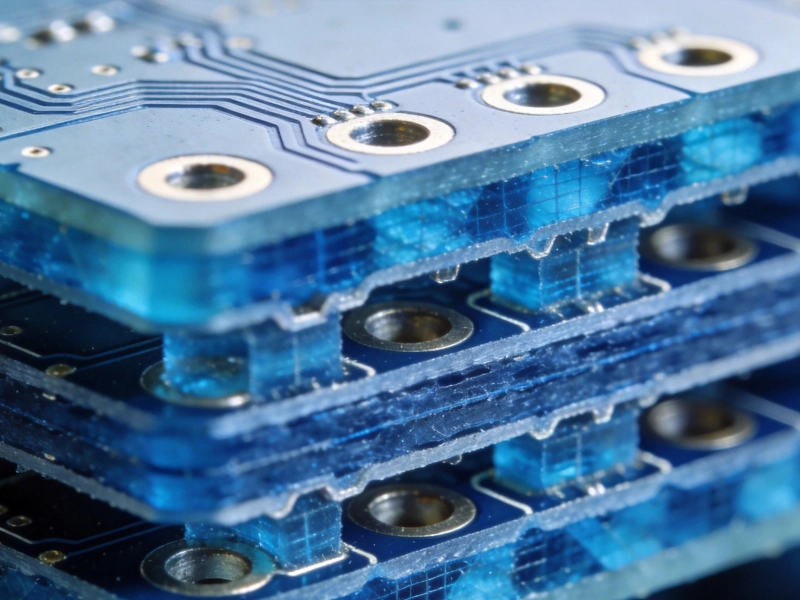
Microvias and Blind/Buried Vias: Key Technologies in HDI FabricationAugust/11/2026

Best Practices for Preparing Files for Expedited PCB ManufacturingJuly/29/2026
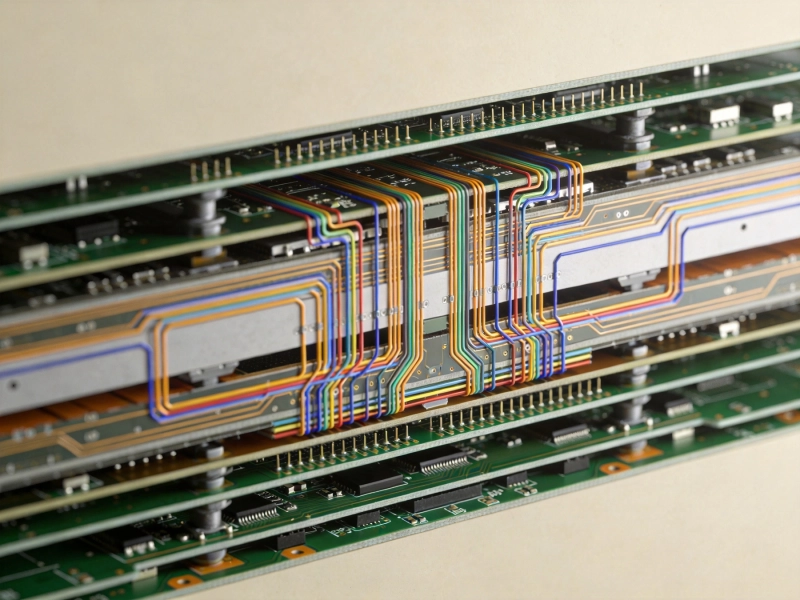
Managing Signal Integrity and Impedance Control in High-Speed Multilayer PCBsJuly/21/2026

Emergency PCB Runs: Strategies for Getting Boards Fast Without Sacrificing ReliabilityJuly/08/2026
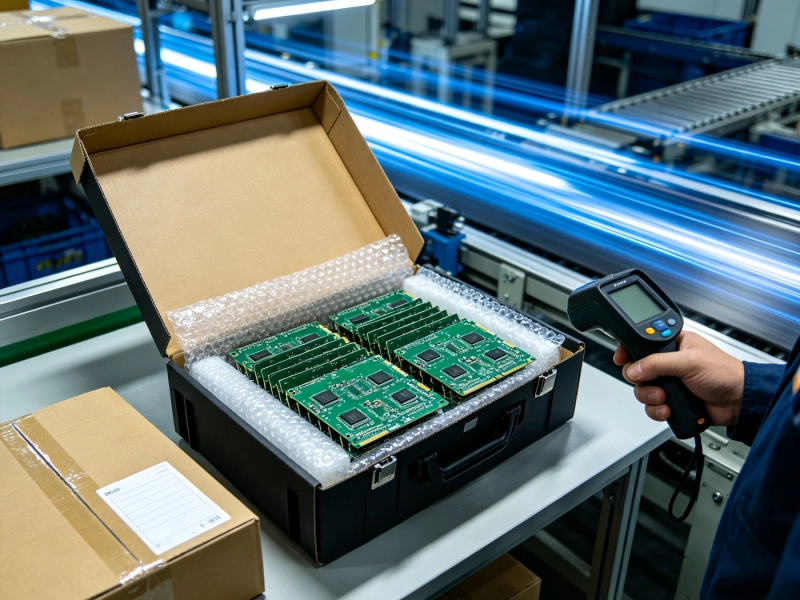
The Logistics of Speed: Shipping and Handling for Urgent PCB DeliveriesSeptember/03/2026

Comparing Traditional vs. Digital Quick Turn PCB ServicesJuly/18/2026
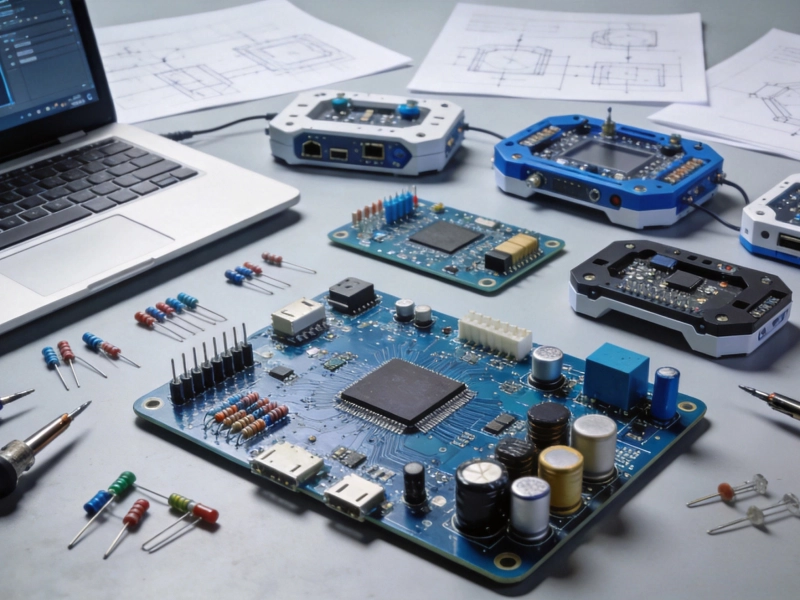
Why Startups Rely on Quick Turn Fabrication to Secure Funding FasterAugust/08/2026
Thermal Management Strategies for Dense Multilayer PCB DesignsJuly/31/2026