Open Nav

By consolidating both fabrication and assembly under one roof, manufacturers significantly streamline the Supply Chain, reduce lead times, and ensure superior Quality Control from the initial layout to the final tested product. This holistic approach is essential for delivering reliable, market-ready electronics efficiently.
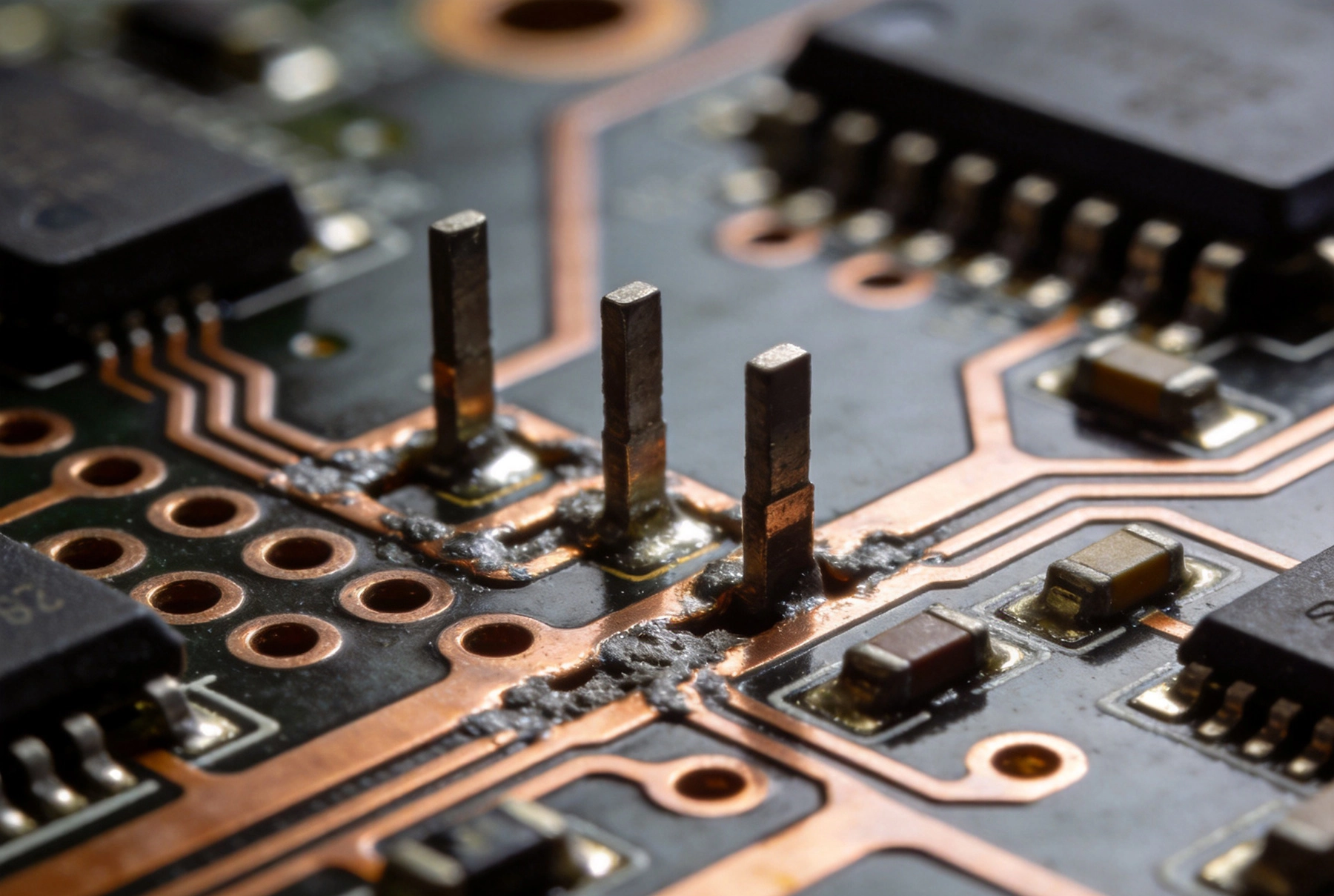
Common Defects in PCB Assembly and How Manufacturers Prevent ThemSeptember/18/2026No manufacturing process is perfect, and PCB assembly is no exception. Even in state-of-the-art facilities with automated lines and AI-powered inspection, defects occur — though at far lower rates than in facilities relying on older equipment or manual processes. The key difference between a high-...
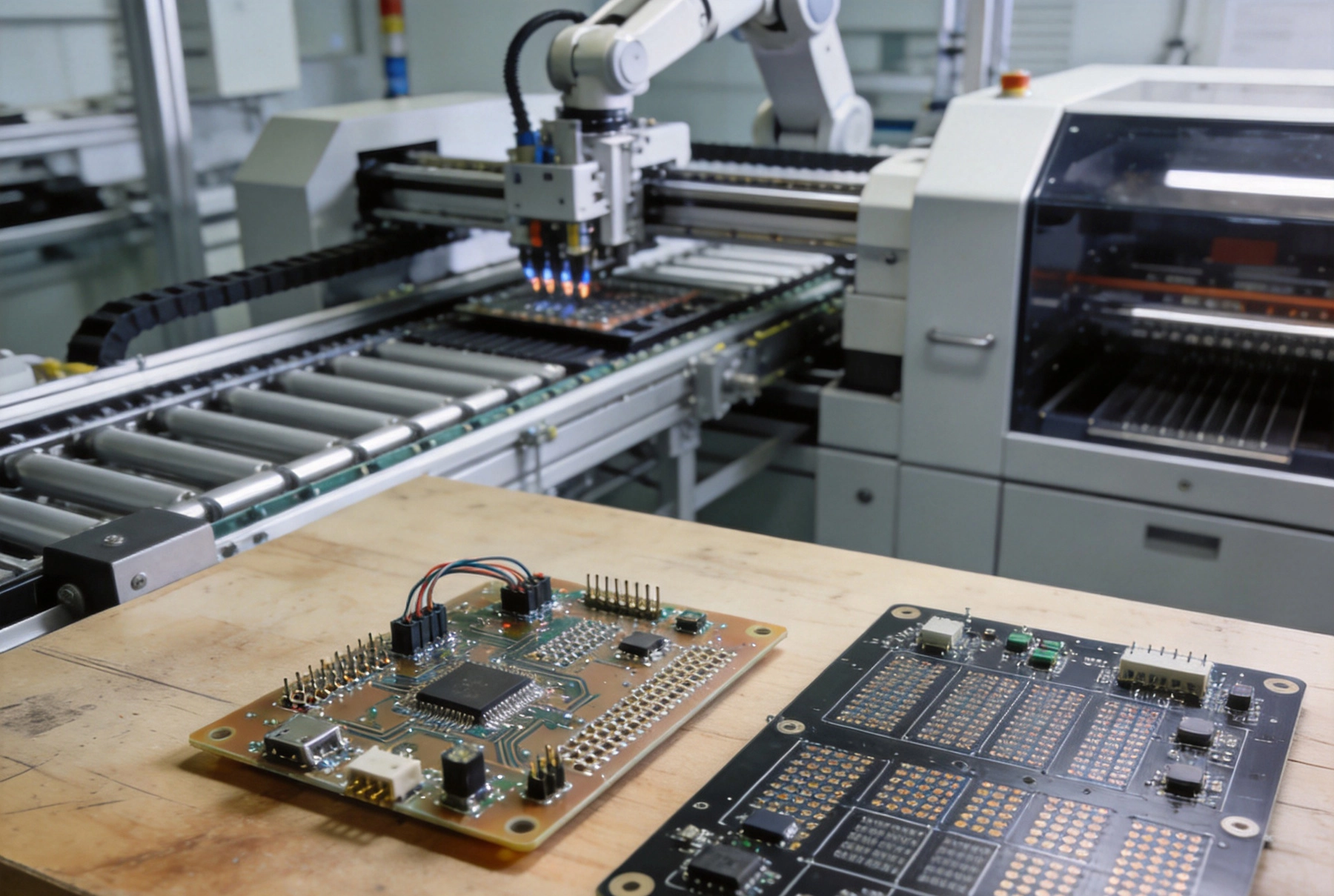
Prototyping vs. Production Assembly: Different Approaches for Different StagesSeptember/08/2026Every electronic product begins with a prototype and ends with a manufactured product, but the journey between those two points requires entirely different approaches, mindsets, and partner relationships. Treating production assembly like an oversized prototyping exercise, or expecting prototype-l...
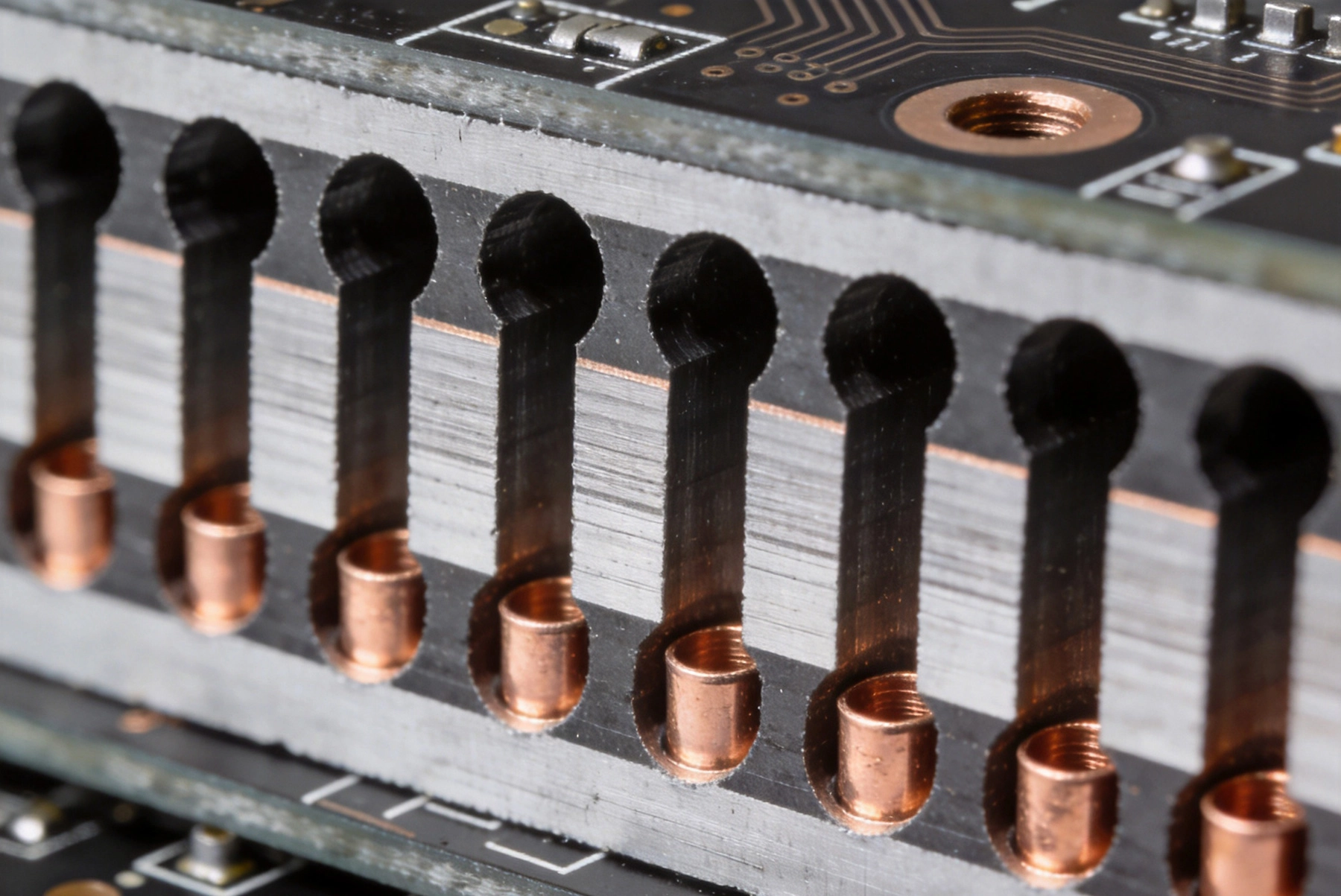
Challenges in Manufacturing High Aspect Ratio Multilayer BoardsSeptember/07/2026High aspect ratio multilayer boards sit at the edge of what PCB manufacturing can reliably produce. When your design requires dozens of layers with tiny vias connecting signals deep in the stack, you enter territory where standard fabrication processes break down and specialized techniques become ...
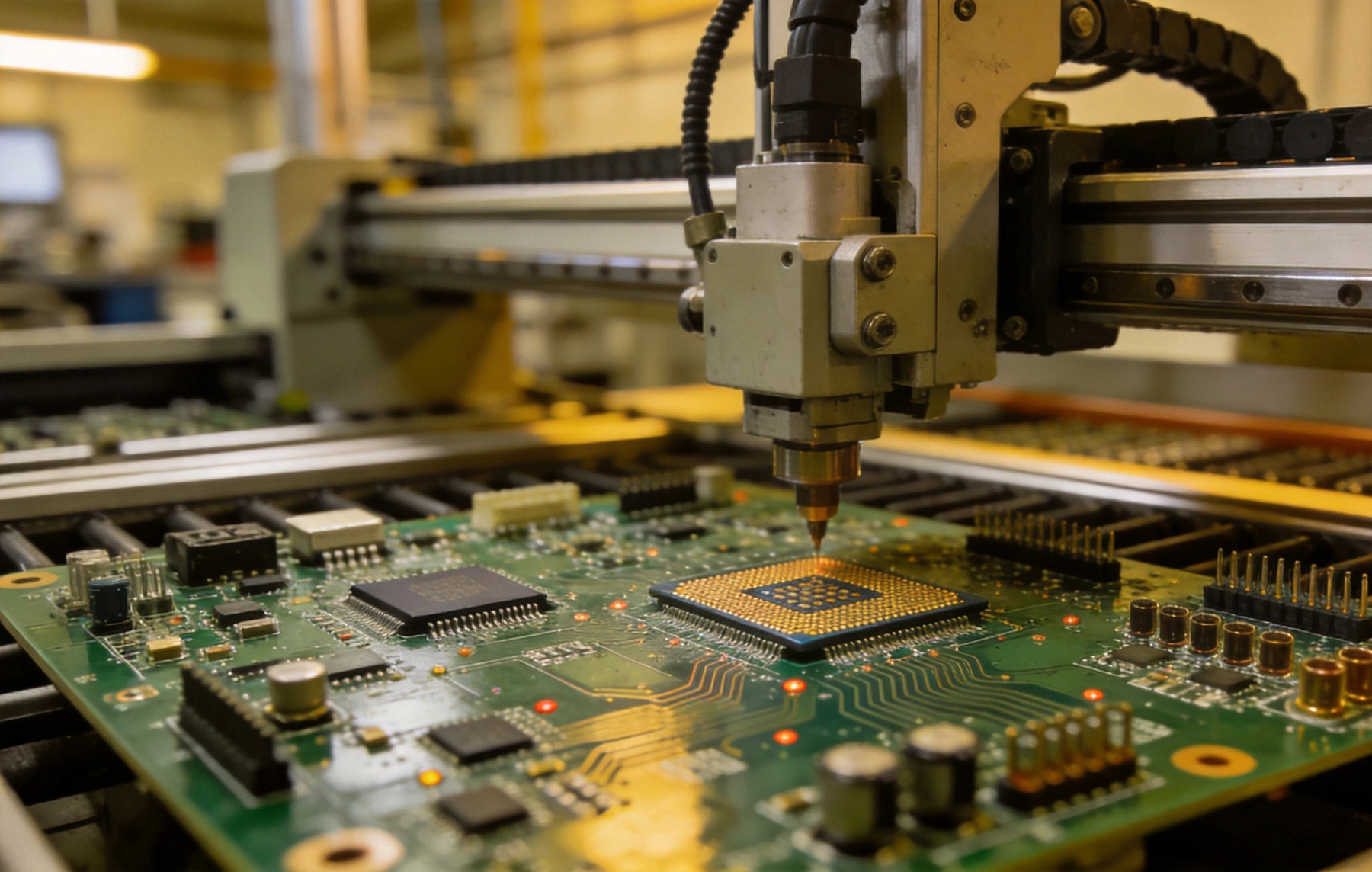
Handling Mixed Technology: Integrating SMT, THT, and Odd-form ComponentsAugust/12/2026The modern electronics industry increasingly demands boards that combine multiple assembly technologies to achieve optimal performance, cost, and reliability. Mixed technology PCB assembly, which integrates surface mount technology (SMT), through-hole technology (THT), and odd-form components on a...
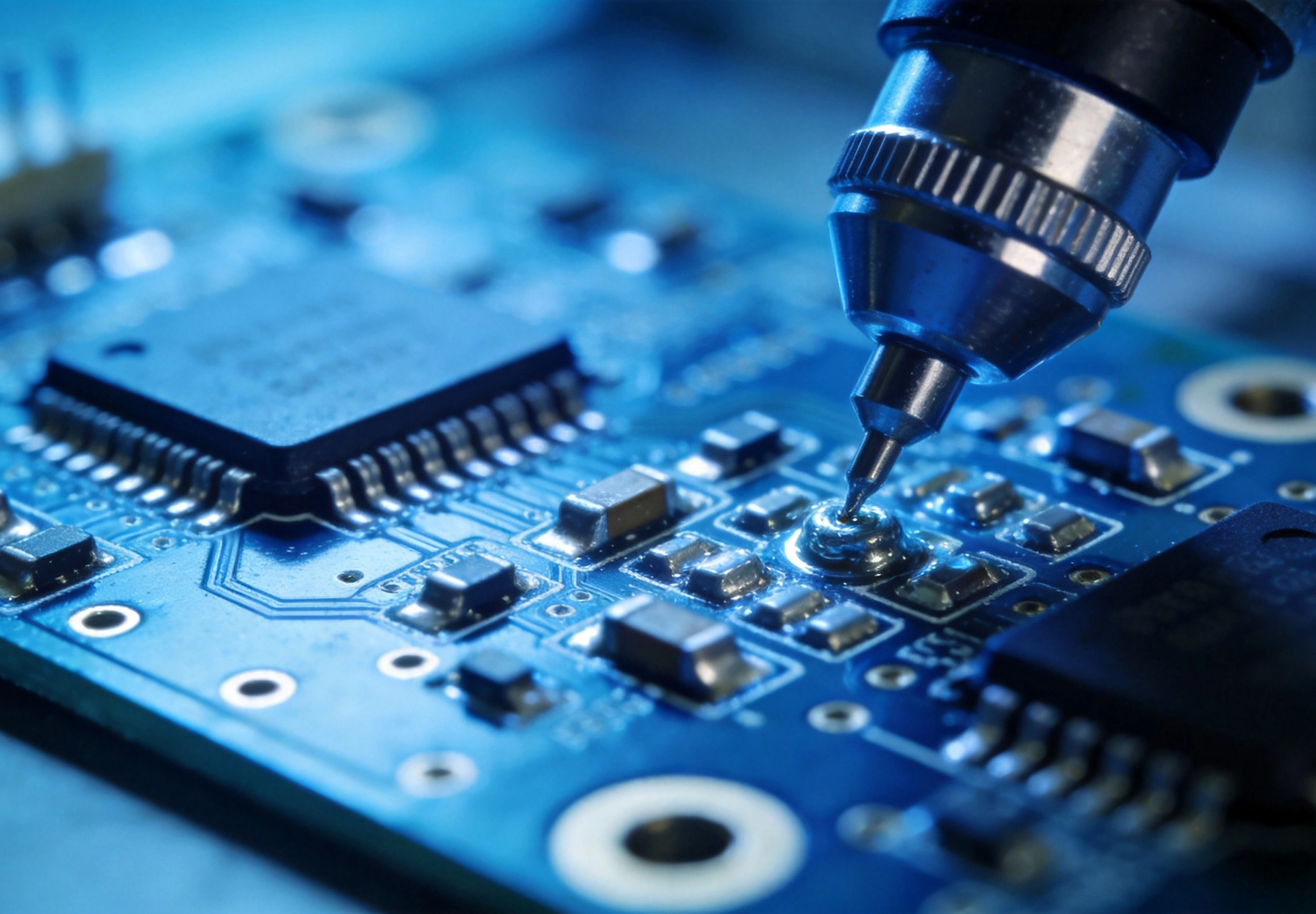
Inspection Standards: IPC-A-610 and What it Means for Your Assembled BoardsAugust/03/2026When you commission PCB assembly services, you expect boards that work correctly and last for their intended service life. But how do you define "correctly"? The IPC-A-610 standard provides the answer that manufacturers and customers rely on worldwide. This industry consensus document establishes ...
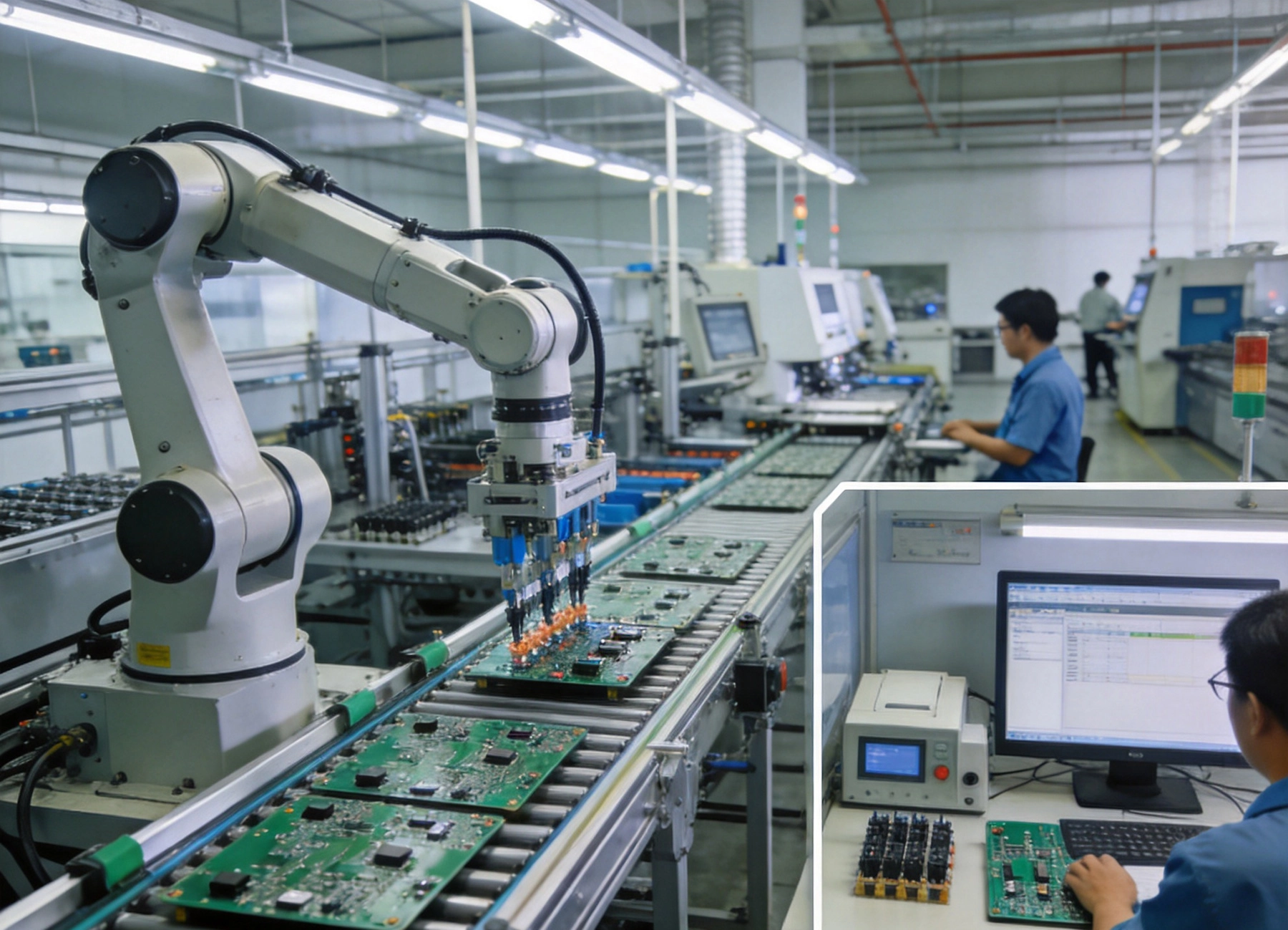
Turnkey Assembly: How to Hand Off Your Project and Get Finished ProductsJuly/22/2026Turnkey assembly represents the ultimate convenience in electronics manufacturing—a complete solution where you hand off your design files and receive finished, tested products ready for market. This comprehensive approach eliminates the complexity of coordinating multiple vendors, managing supply...
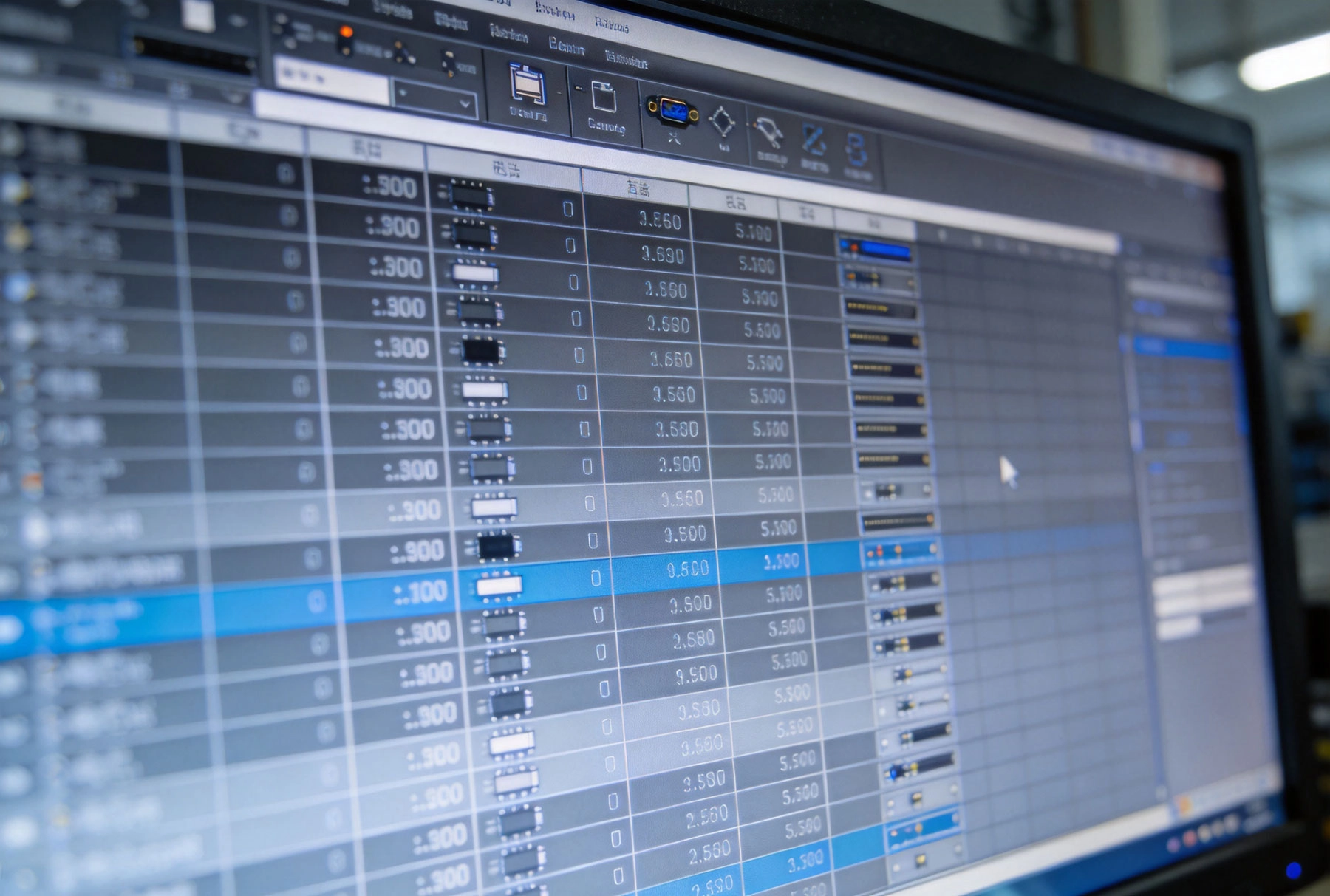
The Importance of BOM Accuracy in the PCB Assembly ProcessJuly/13/2026In electronics manufacturing, the bill of materials (BOM) serves as the foundational document that bridges design intent with manufacturing reality. This seemingly simple spreadsheet lists every component required to build a printed circuit board assembly (PCBA)—from resistors and capacitors to IC...
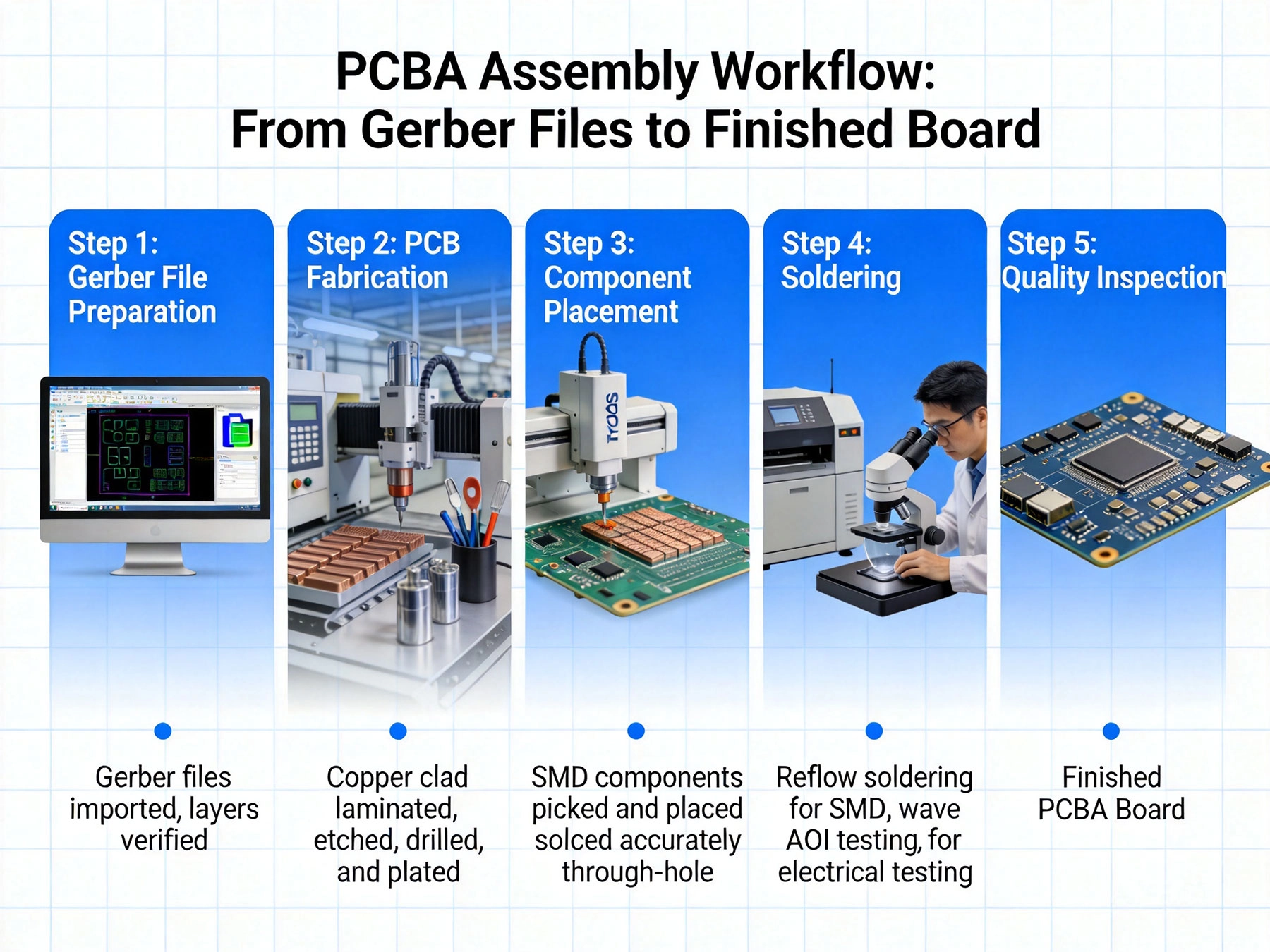
Understanding the PCBA Workflow: From Gerber Files to Finished BoardJune/16/2026Introduction: The Journey from Design to ProductYou've spent weeks perfecting your circuit board design. The schematics are complete, the layout is optimized, and you've exported your Gerber files. Now what? How does your digital design transform into physical boards with components soldered ...
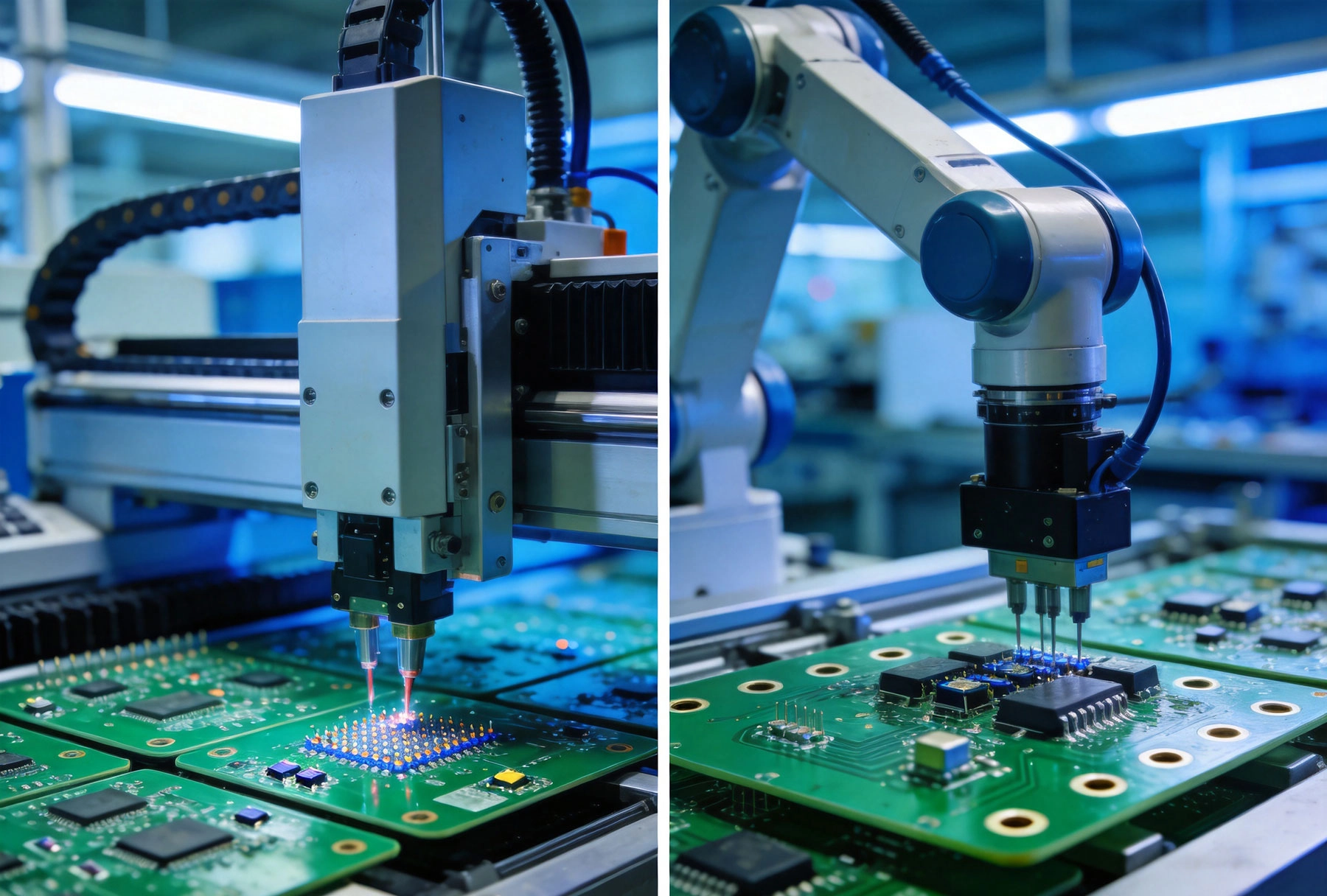
SMT vs THT PCB Assembly in China: Which Technology is Right for Your Project?June/10/2026Choosing the right SMT vs THT PCB assembly technology can make or break your electronics project. China's PCB manufacturing industry offers both surface mount technology and through-hole technology at competitive prices, but understanding their differences is crucial for optimal results. This comp...
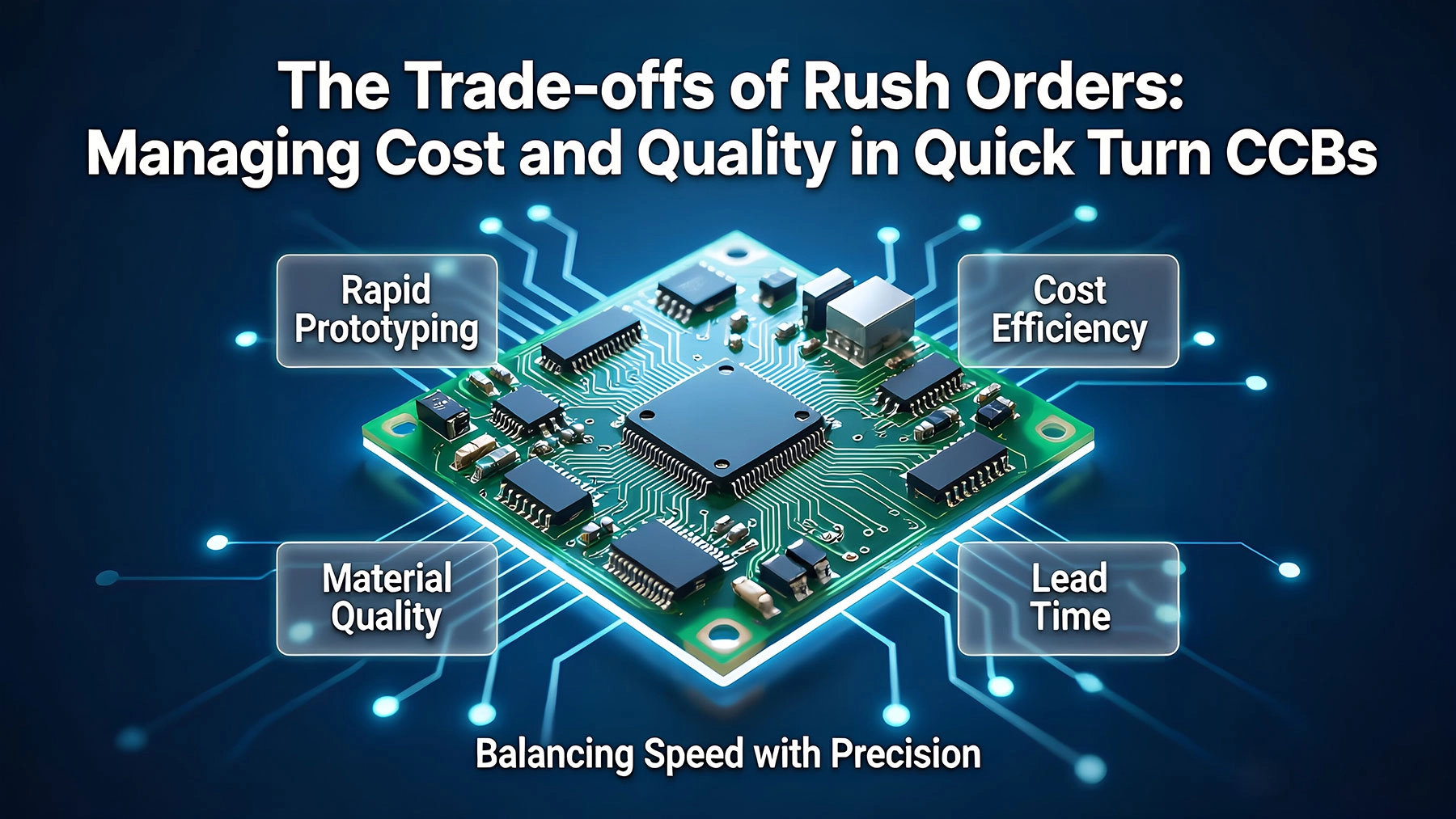
Managing Cost and Quality in Quick Turn PCBsJune/04/2026We've all been there. The deadline is looming, the prototype isn't quite right, and you suddenly need boards yesterday. It’s a stressful moment, but it’s also when you really start thinking about the trade-offs of rush orders. Getting quick turn PCBs is a lifesaver, but it definitely comes with a ...
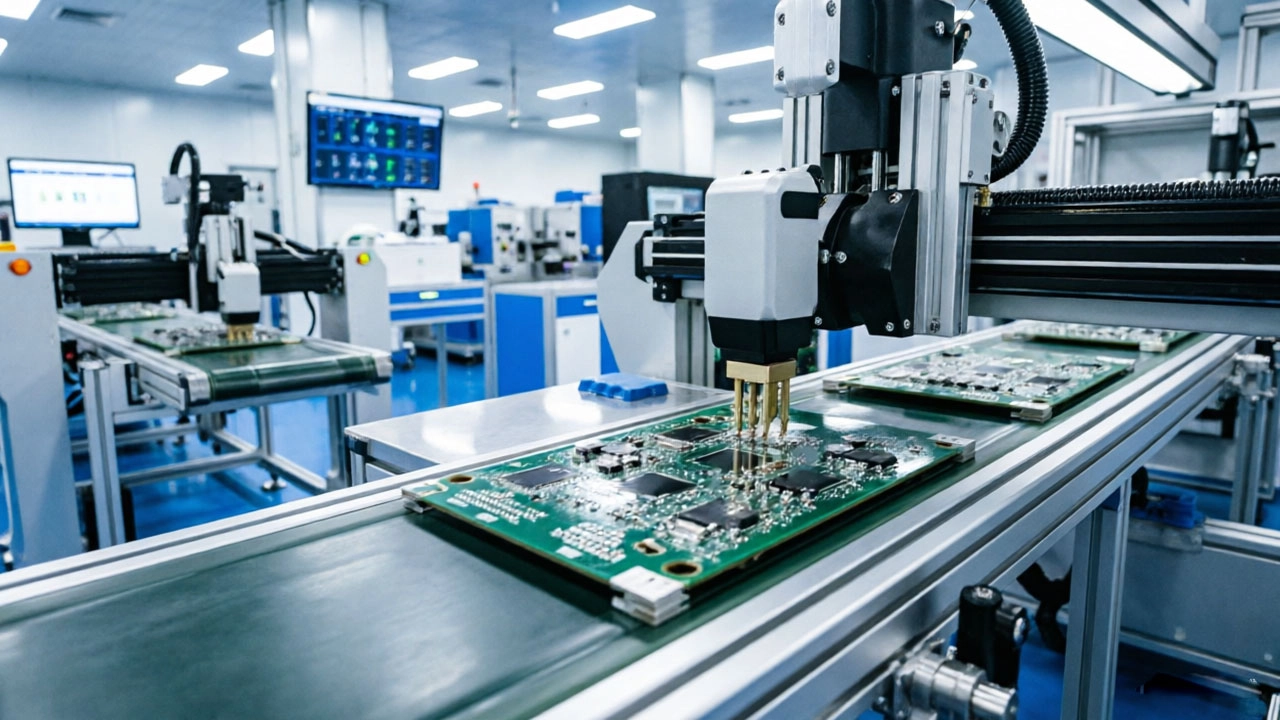
How Chinese Manufacturers Ensure Precision in the SMT PCB Assembly ProcessJune/03/2026When you think of cutting-edge electronics, from AI servers to autonomous vehicles, one fundamental truth remains: they all rely on flawless circuit boards. But as components shrink to the size of a grain of sand, achieving perfect alignment is no longer just about having good machines. So, how do...
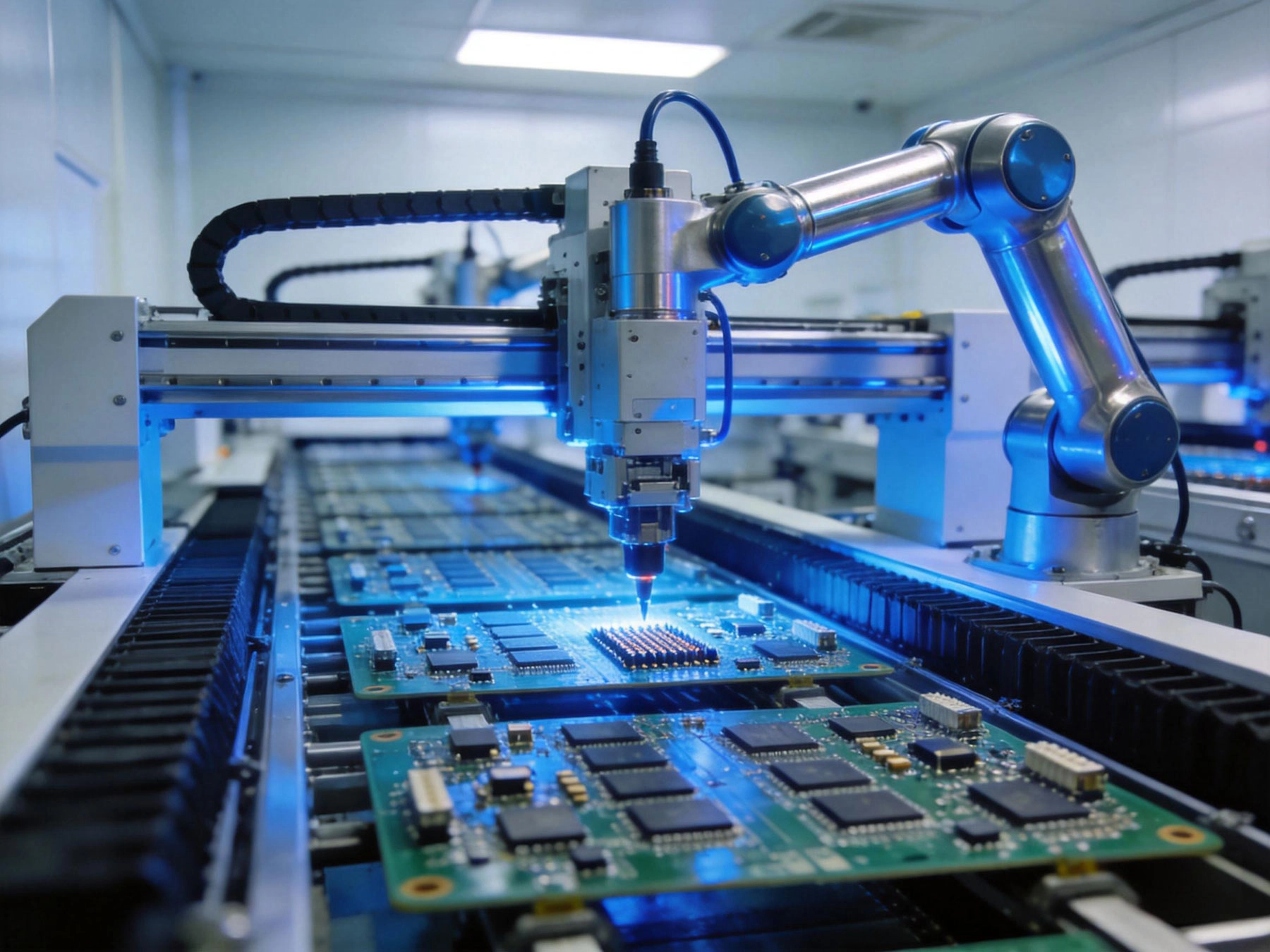
The Benefits of Combining PCB Fabrication and AssemblyMay/22/2026Here's a scenario that plays out in engineering offices all the time: You spend weeks perfecting your PCB design, send the files to a fabrication house, wait for the boards to arrive, ship them off to an assembly partner, hold your breath during NPI—and then discover a manufacturing compatibility ...