Open Nav

Modern printed circuit board (PCB) manufacturing has evolved significantly beyond bare board fabrication and component assembly to encompass comprehensive value-added services that provide complete electronic solutions. Among these extended capabilities, conformal coating and box build assembly represent two of the most critical services that enhance product reliability, simplify supply chains, and reduce time-to-market for electronics manufacturers. This comprehensive exploration examines how these specialized services extend traditional Pcb Manufacturing capabilities, the technical considerations involved, and the strategic benefits they provide to electronics companies seeking streamlined manufacturing partnerships.
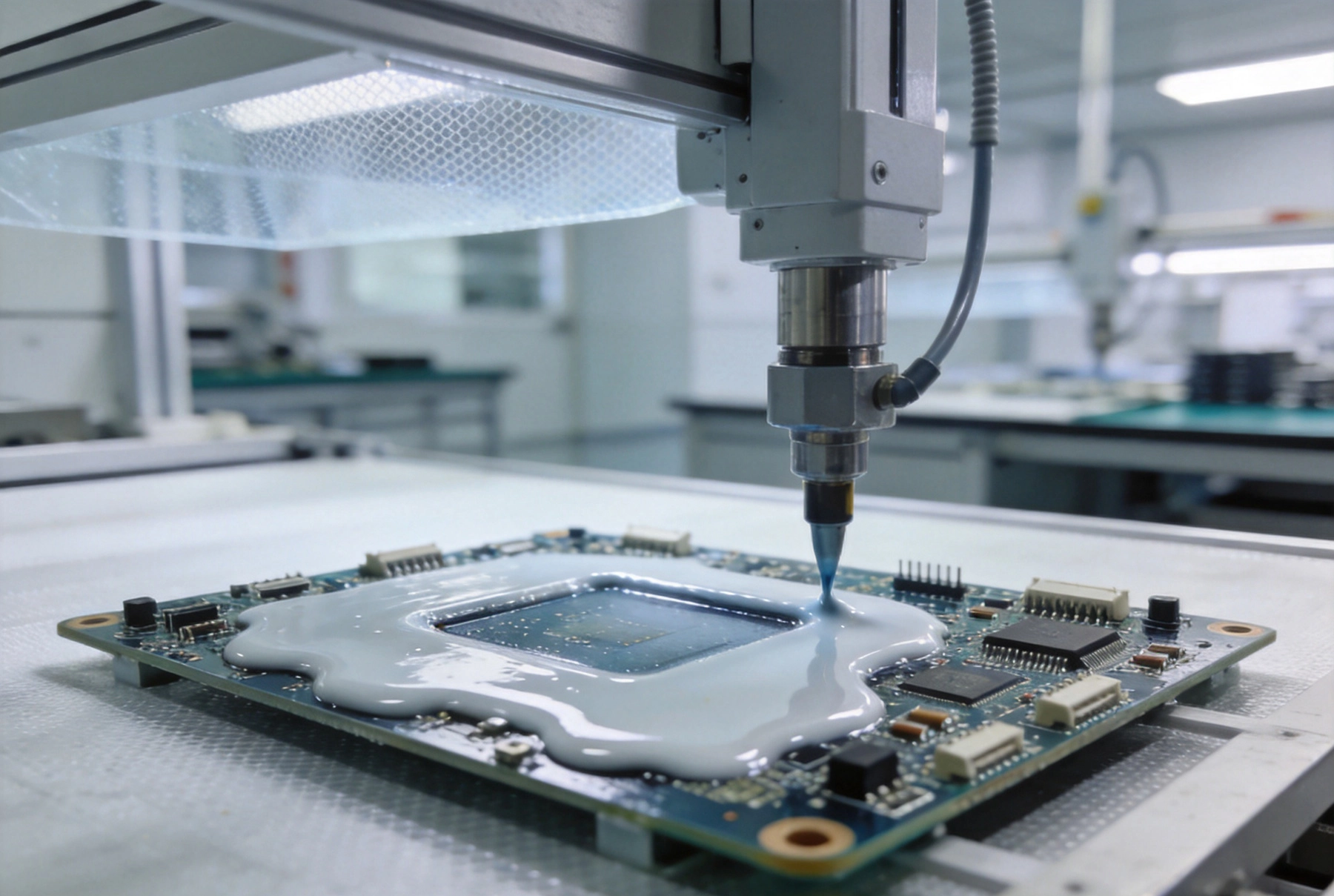
Conformal coating refers to the application of protective polymeric materials onto completed PCB assemblies to create a thin, protective barrier that conforms to the board's surface geometry and component contours. This protective layer shields electronic assemblies from environmental stressors including moisture, dust, chemicals, temperature extremes, and mechanical vibration that can cause corrosion, short circuits, or component failure over time. Conformal coating has become essential for electronics operating in harsh environments, particularly in automotive, aerospace, industrial, medical, and outdoor applications where exposure to challenging conditions would otherwise compromise reliability and service life.
The conformal coating process typically follows component assembly and inspection, serving as a final protection step before shipping or integration into larger assemblies. Application methods vary widely depending on coating material, production volume, and specific protection requirements. Common application techniques include spray coating, brush coating, dip coating, and selective coating using automated equipment that applies coating only to specified areas while masking connectors and other uncoated surfaces. The chosen application method affects coating thickness uniformity, material waste, processing time, and overall cost—each factor requiring careful consideration based on product requirements and production characteristics.
Conformal coating materials come in several chemical formulations, each offering distinct advantages for different application environments. Acrylic coatings provide easy application and rework capabilities with good moisture protection, making them popular for consumer electronics and moderate environments. Silicone coatings offer excellent thermal resistance and flexibility across wide temperature ranges, ideal for automotive and high-temperature applications. Epoxy coatings deliver superior chemical resistance and durability but present rework challenges, making them suitable for permanently protected assemblies. Polyurethane coatings provide balanced moisture and chemical resistance with moderate temperature capabilities, serving diverse industrial applications. Material selection requires evaluating protection requirements, environmental exposure conditions, service life expectations, and maintenance considerations.
Box build assembly, also known as system integration or final assembly, represents the comprehensive process of transforming completed PCB assemblies into finished electronic products ready for end-use deployment. This service extends Pcb Manufacturing capabilities by integrating electronic assemblies with enclosures, power supplies, connectors, cables, displays, and other mechanical components into complete functional products. Box build eliminates the need for customers to manage multiple suppliers and assembly operations, consolidating the entire manufacturing process under a single partner who understands product requirements and quality standards throughout the complete production flow.
The box build process encompasses multiple operations beyond standard Pcb Assembly. Mechanical assembly includes installing PCBs into enclosures, mounting components such as fans and heat sinks, installing cabling and harnesses, and integrating subassemblies into complete products. System integration involves connecting multiple PCBs, power supplies, and peripheral devices through appropriate interconnections, ensuring proper grounding, Thermal Management, and mechanical fit. Functional Testing verifies that the complete system meets performance specifications and operational requirements before packaging and shipment. This comprehensive assembly approach reduces Supply Chain complexity, improves quality consistency, and accelerates time-to-market by eliminating coordination between multiple suppliers and assembly facilities.
Box build capabilities vary significantly among PCB manufacturers, with some offering basic integration services while others provide sophisticated system-level assembly including custom enclosure fabrication, cable assembly, software loading, and comprehensive system testing. The extent of box build services depends on manufacturer capabilities, customer requirements, and product complexity. Companies with robust box build capabilities typically employ multidisciplinary teams including mechanical engineers, assembly technicians, test engineers, and quality specialists who collaborate to deliver complete products meeting specifications while optimizing cost and schedule. This expertise extends beyond traditional electronics assembly into mechanical design, materials selection, and system engineering disciplines essential for complete product realization.
Conformal coating and box build services naturally complement each other, creating synergistic benefits when integrated into comprehensive PCB manufacturing offerings. Conformal coating typically occurs after Pcb Assembly but before box build integration, protecting electronic assemblies during subsequent handling and assembly operations. This sequencing prevents contamination or damage to coated assemblies while ensuring that coating application does not interfere with box build operations. Coated PCBs provide enhanced reliability for finished products, particularly important for applications operating in demanding environments where the complete system experiences environmental stress beyond the PCB itself.
The integration requires careful process planning to ensure that conformal coating does not interfere with box build operations. Connectors, mounting holes, test points, and other features that require mechanical or electrical access during box build must be masked during coating or otherwise protected from coating material. Coating thickness must be controlled to avoid interference with connector mating, component clearance within enclosures, or heat sink contact surfaces. Additionally, coating materials must be compatible with adhesives, sealants, or other materials used during box build to prevent chemical reactions or adhesive failures. These integration considerations require close coordination between coating and assembly teams to develop comprehensive process specifications.
Quality Control for combined coating and box build operations requires integrated inspection and testing approaches. Visual inspection verifies coating coverage, thickness, and absence of defects before box build proceeds. Coating thickness measurement ensures compliance with specifications. Adhesion testing confirms that coating material bonds properly to PCB surfaces. Electrical Testing after coating confirms that coating application has not introduced opens, shorts, or other electrical defects. After box build assembly, additional Functional Testing verifies that the complete system operates correctly and meets performance requirements. This integrated quality approach ensures that coating and assembly operations collectively deliver products meeting all reliability and performance specifications.
Offering conformal coating and box build services alongside Traditional Pcb manufacturing provides significant strategic advantages for both manufacturers and customers. For PCB manufacturers, extended capabilities increase customer value, strengthen competitive differentiation, and create higher-margin service opportunities beyond commoditized board fabrication and assembly. Rather than competing solely on price for basic PCBs, manufacturers can establish value-based relationships focused on complete solution delivery, technical expertise, and partnership reliability. This positioning reduces price pressure and builds customer loyalty through integrated services that create switching costs and relationship momentum.
For customers, comprehensive service offerings simplify Supply Chain management, reduce coordination complexity, and accelerate Product Development timelines. Rather than managing multiple suppliers for board fabrication, assembly, coating, and final integration, customers work with a single partner responsible for complete product delivery. This consolidation reduces administrative overhead, eliminates supplier qualification complexity, and provides single-point accountability for quality, scheduling, and technical support. Customers can focus resources on product design and market development rather than manufacturing management, leveraging the manufacturer's expertise across all aspects of electronic product realization.
Quality consistency improves when multiple manufacturing operations occur under coordinated control at a single facility. Process controls, quality systems, and technical expertise apply consistently across all operations, reducing variation that can occur when transitioning products between different suppliers. Coordinated process planning enables optimization across operation boundaries, such as designing assembly processes that facilitate efficient coating application, or planning coating specifications that accommodate box build requirements. This integrated approach reduces defects, rework, and overall manufacturing cost while improving product reliability and customer satisfaction.
Successful conformal coating requires careful attention to multiple technical factors affecting coating performance, application quality, and long-term reliability. Pre-coating surface preparation represents the foundation for successful coating application. PCB assemblies must be clean and free of contaminants including Flux Residues, oils, dust, and other substances that can interfere with coating adhesion or create voids beneath the coating. Cleaning processes may include solvent cleaning, aqueous cleaning, or plasma cleaning depending on contamination types and material compatibility. Surface inspection before coating ensures that assemblies meet cleanliness standards and that no obvious defects would be hidden beneath the coating.
Coating thickness directly affects protection performance and must be controlled within specified ranges typically ranging from 25 to 75 microns depending on material type and application requirements. Insufficient thickness fails to provide adequate protection, while excessive thickness increases cost, adds stress to components during thermal cycling, and may interfere with component clearance or heat dissipation. Thickness uniformity across the board ensures consistent protection and predictable performance. Measurement techniques including wet film thickness gauges during application and dry film thickness measurement after curing verify compliance with thickness specifications. Automated thickness monitoring systems provide real-time feedback during application processes, enabling process adjustments to maintain uniform thickness.
Curing processes vary by coating material and must be properly executed to achieve optimal material properties. Some coatings cure at room temperature over several hours, while others require elevated temperature curing in ovens or UV curing depending on material chemistry. Curing parameters including temperature, time, and atmosphere must be controlled within specified ranges to achieve complete polymerization and optimal performance characteristics. Incomplete curing can leave coatings soft, tacky, or chemically unstable, compromising protection and potentially causing contamination of other components. Over-curing can cause embrittlement, cracking, or loss of protective properties. Quality Control testing including hardness testing, adhesion testing, and solvent resistance verification confirm that curing processes achieve desired material characteristics.
Effective box build assembly requires comprehensive planning and execution across multiple technical domains. Mechanical design considerations include enclosure selection or design, component placement and mounting strategies, Thermal Management approaches, and serviceability requirements. Enclosures must provide adequate space for all electronic assemblies while accommodating necessary clearances for connectors, cabling, and airflow. Mounting features must securely hold components while minimizing stress transmitted to PCBs. Thermal management systems including fans, heat sinks, vents, or liquid cooling must be properly sized and positioned to maintain component temperatures within specified limits. Serviceability considerations including access for maintenance and component replacement influence design decisions and assembly sequence.
Cable and harness assembly represents a significant aspect of box build operations that requires specialized expertise. Cables must be properly sized for current carrying capacity, routed efficiently to minimize length and electromagnetic interference, and secured with appropriate strain relief to prevent stress on connections. Cable management techniques including cable ties, routing channels, and protection sleeves organize cables while protecting them from damage. Cable termination methods including crimping, soldering, or connector attachment must be executed with proper tooling and process controls to ensure reliable electrical connections. Documentation including cable drawings, routing guides, and termination procedures ensures consistent assembly quality and facilitates future maintenance or modifications.
Functional testing of completed assemblies verifies that systems meet all performance specifications before delivery to customers. Test development requires understanding of system functionality, performance requirements, and failure modes. Test equipment including power supplies, signal generators, oscilloscopes, and specialized test fixtures must be designed and fabricated to enable comprehensive testing. Test procedures include power-up sequences, functional verification, performance measurement, and environmental stress testing when required. Automated test equipment (ATE) systems provide efficient, repeatable testing for high-volume production while manual testing may be appropriate for low-volume or high-mix production. Test data collection and analysis enable continuous improvement of assembly processes and early detection of quality trends that may require corrective action.
Different industry applications impose varying requirements for conformal coating and box build services, driving specialized capabilities and process approaches. Automotive electronics demand coating systems that withstand temperature extremes, chemical exposure, and mechanical vibration while meeting automotive industry quality standards such as AEC-Q200 and IATF 16949 requirements. Box build for automotive applications must accommodate rugged environments, high-volume production, and strict cost targets while delivering reliable performance throughout vehicle service life. Manufacturers serving automotive markets must understand specific automotive quality requirements and implement appropriate quality systems and process controls.
Medical electronics applications require coating materials and processes compliant with biocompatibility standards such as ISO 10993 and medical device quality standards including ISO 13485. Coating selection must consider potential patient contact, sterilization requirements, and long-term biocompatibility. Box build for medical devices must meet cleanroom assembly requirements, maintain traceability throughout manufacturing, and support validation and verification processes required for regulatory approval. Manufacturers specializing in medical electronics must implement comprehensive quality management systems and understand regulatory requirements for medical device manufacturing.
Industrial electronics applications demand coating systems that provide protection against dust, moisture, chemicals, and thermal cycling while maintaining reliable operation over extended service periods. Box build assemblies for industrial applications often incorporate environmental sealing, robust connectors, and thermal management systems designed for harsh operating conditions. Manufacturers serving industrial markets must understand specific industry requirements such as NEMA enclosure ratings, IP protection classes, and industrial Automation standards that influence design and assembly approaches.
Consumer electronics applications emphasize cost efficiency, aesthetics, and rapid time-to-market while still requiring adequate reliability for intended use environments. Coating materials for consumer products balance protection requirements with cost and manufacturability considerations, often favoring acrylic coatings with easy application and rework capabilities. Box build for consumer products requires efficient assembly processes, attractive packaging, and scalability to support volume production variations. Manufacturers serving consumer markets must implement efficient production systems capable of rapid response to market demands while maintaining consistent quality and cost control.
Quality Assurance for conformal coating and box build operations requires comprehensive systems and processes that ensure consistent performance and compliance with applicable standards and regulations. ISO 9001 quality management systems provide the foundation for systematic quality control across all manufacturing operations. Additional industry-specific standards such as Ipc-a-610 for acceptability of electronic assemblies, IPC-CC-830 for conformal coating, and AS9100 for aerospace applications impose specific requirements that must be addressed in quality systems. Manufacturers implementing extended Pcb Services must develop quality systems that encompass Traditional Pcb manufacturing, coating operations, and box build assembly while providing traceability, documentation, and process control appropriate to all operations.
Process validation confirms that coating and assembly processes consistently produce products meeting specifications. Validation includes defining process parameters, establishing acceptance criteria, conducting qualification runs, and documenting results. For conformal coating, validation includes material qualification, process parameter optimization, and demonstration that coating processes achieve required thickness, coverage, and protection characteristics. For box build, validation includes assembly procedure development, tool qualification, and demonstration that assemblies meet mechanical, electrical, and functional requirements. Validated processes provide confidence in production capabilities while reducing inspection requirements through demonstrated process capability.
Regulatory compliance considerations affect coating material selection and box build approaches depending on target markets and applications. Restriction of Hazardous Substances (RoHS) regulations restrict the use of certain materials including lead, mercury, and cadmium in electronic products sold in European Union markets and other jurisdictions. Registration, Evaluation, Authorisation and Restriction of Chemicals (REACH) regulations in the EU impose additional requirements on chemical substances used in manufacturing. Coating material manufacturers typically provide documentation confirming compliance with these regulations, but PCB manufacturers must verify compliance and maintain appropriate documentation. Box build operations must also consider product safety regulations including electrical safety standards and electromagnetic compatibility requirements that affect design and assembly approaches.
Conformal coating technology continues advancing with new materials and application methods that provide enhanced performance and process efficiency. Nano-composite coatings incorporating nanoparticles provide improved barrier properties with thinner coating layers, potentially reducing material usage and cost while maintaining or enhancing protection. Self-healing coatings that automatically repair minor damage extend service life and reduce maintenance requirements. Environmentally friendly coatings using water-based or bio-based materials address Sustainability concerns while maintaining performance characteristics. These material advances require updated application processes and quality control approaches but provide opportunities for enhanced protection and environmental responsibility.
Automated coating systems with improved precision and programmability enable more consistent coating application while reducing material waste and labor requirements. Advanced spray systems with computer numerical control (CNC) positioning deliver coating precisely where needed while avoiding connectors and other masked features. Automated thickness monitoring provides real-time feedback for process control, ensuring consistent coating thickness without relying on post-process inspection alone. Vision systems integrated into coating equipment automatically detect coating defects and provide process feedback for continuous improvement. These Automation capabilities increase coating quality while reducing cost and variability.
Box build integration with digital technologies including Industry 4.0 concepts enables smarter assembly operations and improved quality control. Automated guided vehicles (AGVs) and robotic systems handle material movement and repetitive assembly tasks, reducing labor requirements while improving consistency. Digital twin technology creates virtual models of assembly processes for optimization before physical implementation. Augmented reality (AR) systems provide visual guidance to assembly technicians, reducing training requirements and improving assembly accuracy. Internet of Things (IoT) sensors on assembly equipment and fixtures provide real-time process monitoring and predictive maintenance capabilities. These digital technologies transform traditional box build operations into smart, connected manufacturing systems that improve efficiency, quality, and flexibility.
Conformal coating and box build services represent essential extensions of traditional PCB Manufacturing Capabilities that provide significant value to electronics companies seeking streamlined manufacturing partnerships. These services enable complete product realization under coordinated control, reducing supply chain complexity while improving quality consistency and accelerating time-to-market. For PCB manufacturers, extended capabilities strengthen competitive positioning, create higher-margin service opportunities, and build customer relationships based on comprehensive solution delivery rather than commoditized component supply.
Success in delivering these extended services requires significant investment in equipment, expertise, and quality systems beyond traditional PCB Manufacturing Capabilities. Conformal coating demands specialized application equipment, material expertise, and process controls specific to coating operations. Box build requires mechanical design capability, multidisciplinary assembly expertise, and system-level testing infrastructure. These investments represent strategic commitments to comprehensive service delivery that differentiate manufacturers from competitors focused only on basic board fabrication and assembly.
As electronics continue evolving with increasing complexity, higher performance requirements, and more demanding application environments, the value of comprehensive manufacturing services continues growing. Companies that can provide complete electronic product solutions—from bare board fabrication through final system assembly and testing—position themselves as strategic partners rather than commodity suppliers. This partnership approach creates sustainable competitive advantages based on technical expertise, quality consistency, and integrated service delivery that cannot be easily replicated through piecemeal Supply Chain Management.
The future of extended Pcb Services lies in continued integration of advanced technologies and processes that enhance quality, efficiency, and capabilities. Manufacturers investing in these capabilities today will be well-positioned to meet evolving customer needs while maintaining competitive differentiation in an increasingly complex Electronics Manufacturing landscape. Conformal coating and box build represent foundational elements of this extended service model, providing essential capabilities that transform PCB manufacturers into comprehensive solution providers for the electronics industry.
The Role of CAM Engineering in Preventing Manufacturing ErrorsJuly/03/2026
Customer Support in PCB Manufacturing: Why Communication is KeyAugust/06/2026
How to Find the Right PCB Fabrication Partner in ChinaJune/02/2026
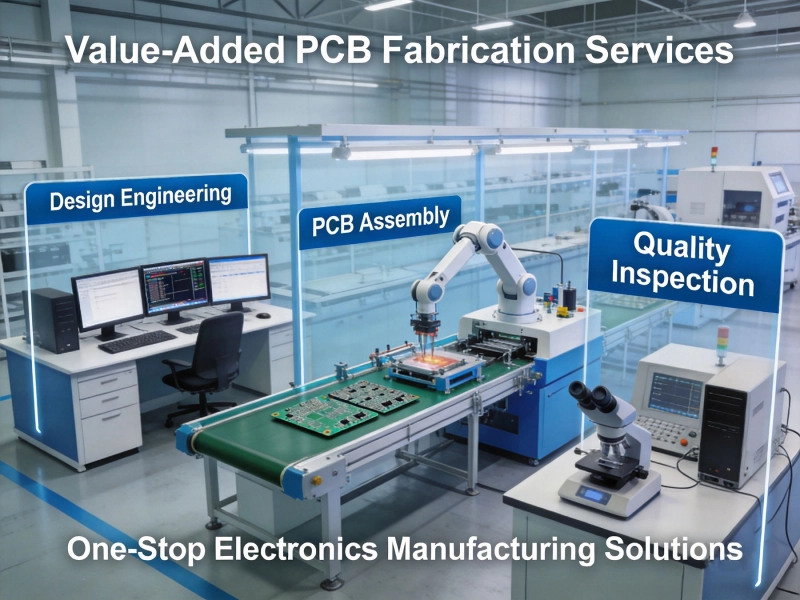
Value-Added PCB Fabrication Services: Beyond Just Making the BoardJune/12/2026

Inventory Management and Kitting: Streamlining Your Supply Chain with PCB ServicesJuly/15/2026
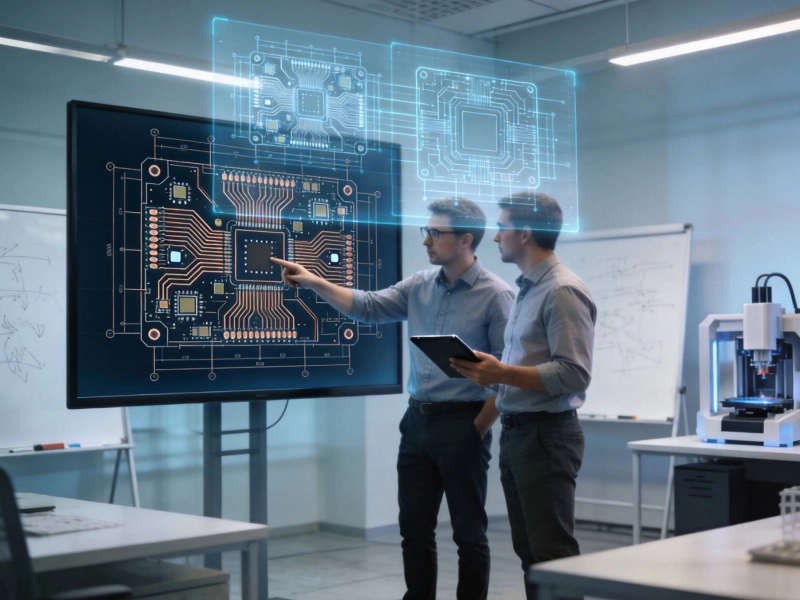
Engineering Support: How Good Service Providers Help Optimize Your DesignJuly/02/2026
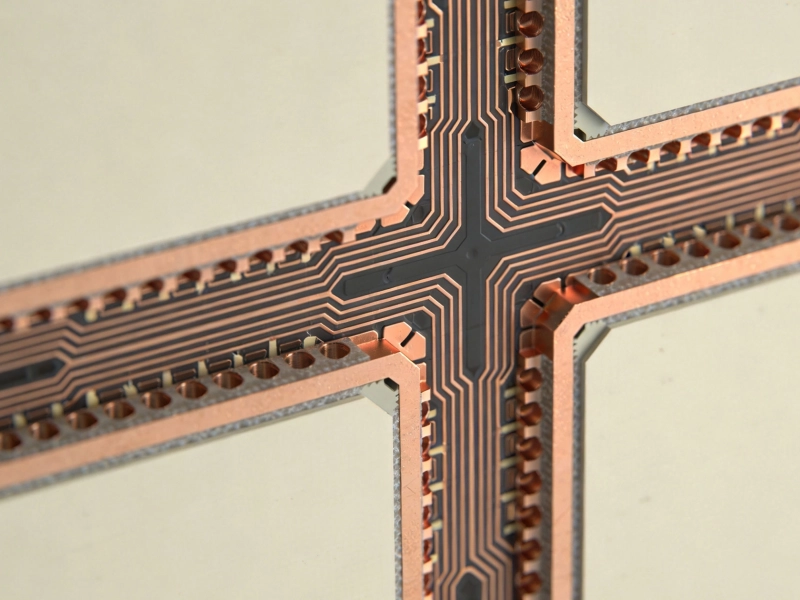
Any-Layer Interconnect: The Pinnacle of High-Density PCB TechnologyJuly/10/2026
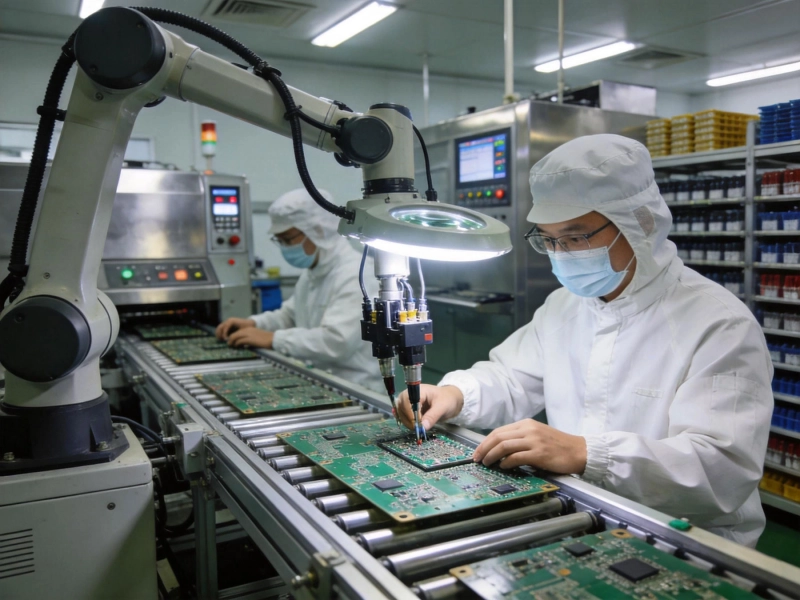
Why Global Brands Are Turning to PCB Fabrication in China in 2026May/21/2026