Open Nav

In the complex world of Pcb Manufacturing, technical specifications and production capabilities matter enormously—but they're only part of the success equation. The other critical component, often undervalued until problems arise, is customer support quality. When designs have ambiguity, when schedules compress unexpectedly, or when technical challenges emerge mid-production, the quality of communication between manufacturer and customer determines whether projects succeed or spiral into costly delays.
Effective communication in Pcb Manufacturing goes beyond simply answering emails promptly. It requires technical competence to understand design requirements, proactive information sharing about potential issues, and collaborative problem-solving when challenges arise. Manufacturers who excel at communication don't just process orders—they become partners in their customers' Product Development success.

Communication failures in PCB manufacturing carry substantial costs that extend far beyond immediate order problems. Understanding these costs helps both manufacturers and customers recognize why investing in communication quality pays dividends.
When design requirements aren't clearly communicated or understood, production errors follow. A seemingly minor ambiguity about stack-up sequence, material specification, or tolerance requirement can result in boards that don't function as intended. The cost extends beyond remake expense—schedule delays affect product launch timing, engineering resources redirect to troubleshooting, and customer confidence erodes.
Consider a common scenario: a customer specifies "standard FR4" without identifying the specific material grade. Different FR4 variants have different Tg values, CTE characteristics, and processing requirements. Without clarification, manufacturers must either guess (risking functionality issues) or delay production awaiting specification (impacting schedule). Clear communication upfront eliminates this ambiguity entirely.
Production delays often trace back to communication breakdowns that could have been prevented. Questions about design files that linger unanswered for days. Unclear specifications requiring clarification cycles. Design revisions that aren't clearly communicated to production teams. Each communication gap adds time to project schedules, potentially missing critical deadlines.
For time-sensitive projects, communication quality directly impacts business success. Product launch windows, trade show demonstrations, and customer commitments depend on reliable production schedules. Manufacturers who communicate proactively about potential delays enable customers to adjust plans before schedules become critical. Those who don't leave customers discovering problems too late for effective response.
Beyond immediate project impacts, poor communication damages manufacturer-customer relationships. Engineers who experience frustrating communication experiences with one manufacturer remember when selecting suppliers for future projects. Procurement professionals share experiences with colleagues. What seems like a single communication failure can cascade into lost business opportunity worth many times the original order value.
Conversely, manufacturers who communicate well build reputation advantages that attract new customers. Word-of-mouth referrals in engineering communities often focus on communication experiences rather than purely technical capabilities. Investment in communication quality generates returns extending far beyond individual customer relationships.
What distinguishes excellent customer support from merely adequate service? Several key elements define communication quality in PCB manufacturing relationships.
Customer support representatives must understand PCB technology sufficiently to communicate effectively about technical requirements. When customers ask questions about capabilities, limitations, or design tradeoffs, support staff need knowledge to provide accurate, helpful responses. Technical competence enables proactive identification of potential issues and meaningful assistance during design development.
Effective support staff understand not just manufacturing processes but design implications. They can discuss how material choices affect Signal Integrity, how stack-up decisions impact Impedance Control, and how design choices influence manufacturability. This technical depth transforms support interactions from simple order processing into valuable engineering collaboration.
Reactive support—answering questions when asked—represents minimum acceptable communication. Excellent support anticipates customer needs and proactively shares information. This includes alerting customers to potential design issues before production begins, providing status updates without requiring requests, and communicating schedule impacts immediately when they become known.
Proactive communication requires systems that identify issues early and processes that ensure timely customer notification. Design For Manufacturing review processes should flag potential problems and communicate recommendations to customers. Production monitoring should identify yield issues before they affect schedule. Quality Control processes should communicate concerns before they impact delivery commitments.
Response time matters enormously in manufacturing environments operating on tight schedules. Customers need confidence that inquiries will receive prompt attention and that critical information won't languish unread in someone's inbox. Clear expectations about response times—and consistent adherence to those commitments—builds trust and enables effective project planning.
Clarity in responses is equally important. Technical communications should be unambiguous, complete, and appropriate for the recipient's technical background. Answers should address the actual question asked, provide necessary context, and confirm mutual understanding. Follow-up communication should verify that responses resolved the customer's actual need.
Effective communication occurs at multiple points throughout the Pcb Production process, each requiring appropriate attention and processes.
The quotation process sets expectations for the entire production relationship. Effective quotation communication includes clear specification of what's included, explicit identification of requirements or assumptions made, and proactive discussion of any areas where clarification would reduce risk. Quotes that simply provide prices without context create misunderstanding opportunities that surface later during production.
Design review during quotation enables early identification of potential issues. Manufacturers who invest time reviewing designs and communicating recommendations build customer confidence while preventing production problems. This proactive communication differentiates manufacturers who view customers as partners from those who see them as order sources.
Order confirmation should verify mutual understanding of all requirements, not simply acknowledge receipt. Effective confirmation processes include specification review with explicit statement of requirements, identification of any clarifications assumed during review, and verification that files and specifications match. This communication step prevents many problems that would otherwise emerge during production.
Regular status updates keep customers informed without requiring inquiry. For standard orders, scheduled updates at key milestones—production start, fabrication completion, assembly progress—provide visibility. For expedited or critical orders, more frequent communication ensures customers can plan effectively around production progress.
Status communication should be honest about challenges, not just positive news. When yield issues, material delays, or other problems arise, proactive communication enables customers to adjust plans. Concealing problems until delivery deadlines approach destroys trust and eliminates customer opportunity to respond effectively.
How manufacturers communicate about problems reveals their true commitment to customer partnership. Effective problem communication includes clear explanation of what occurred, why it happened, what options exist for resolution, and realistic assessment of impacts. This approach treats customers as partners in problem-solving rather than recipients of unwelcome news.
Collaborative problem-solving often produces better outcomes than either party could achieve independently. Manufacturer expertise about production processes combined with customer knowledge of end-use requirements enables solutions that optimize across multiple constraints. This collaboration requires open communication and mutual respect for each party's expertise.
Sustainable communication quality requires systematic approaches rather than depending solely on individual effort.
Formal processes ensure consistent communication quality regardless of which staff members handle specific interactions. Process definitions should specify required communications at each production stage, expected response times for different inquiry types, escalation procedures for complex issues, and documentation requirements for key communications.
Process effectiveness requires monitoring and continuous improvement. Regular review of communication performance identifies areas needing reinforcement. Customer feedback about communication experiences highlights successes and problems. Staff input reveals process obstacles that impede communication quality.
Appropriate technology tools enhance communication effectiveness without replacing human judgment. Project management systems provide visibility into order status and requirements. Communication platforms ensure messages reach appropriate staff promptly. Documentation systems capture technical decisions and specifications for reference.
Technology should support communication, not replace it. Automated status updates supplement but don't replace personalized communication about complex issues. Self-service portals provide convenience for routine inquiries while freeing support staff to focus on problems requiring human expertise. The goal is enhancing communication reach and efficiency while maintaining quality.
Communication quality ultimately depends on people executing processes effectively. Training should develop both technical competence and communication skills. Staff need knowledge to understand customer requirements, authority to make decisions that resolve issues, and resources to communicate effectively with customers.
Empowerment is particularly important for issue resolution. Support staff who can make reasonable decisions to resolve problems—without requiring multiple management approvals—provide responsive service that builds customer confidence. Clear guidelines about decision authority enable staff to act confidently while maintaining appropriate controls.
Effective communication isn't solely the manufacturer's responsibility—customers play crucial roles in ensuring productive exchanges.
Customers should provide complete, unambiguous specifications rather than assuming manufacturers will interpret requirements correctly. This includes detailed documentation of all parameters, explicit identification of critical requirements, and clear communication of application context that informs requirement priorities.
When manufacturers request clarification or provide information requiring customer input, timely response enables efficient production. Delayed responses create bottlenecks that affect schedules. Establishing communication expectations during project kickoff—and honoring those commitments—supports effective collaboration.
Providing feedback about communication experiences helps manufacturers improve. Both positive feedback reinforcing effective practices and constructive criticism identifying improvement opportunities contribute to better service. Customers who invest in sharing experiences help manufacturers develop capabilities that benefit the entire customer community.
Communication quality in PCB manufacturing customer support directly impacts project success, relationship strength, and business outcomes. Manufacturers who invest in technical competence, proactive information sharing, and systematic communication processes create competitive advantages that attract and retain customers. Customers who communicate requirements clearly and engage responsively enable effective partnerships.
The best PCB manufacturing relationships feature communication that goes beyond order processing—they include technical collaboration, honest problem discussion, and mutual investment in project success. When both parties prioritize communication quality, production challenges become manageable through joint problem-solving rather than sources of conflict and delay.
For engineers and procurement professionals evaluating PCB manufacturing partners, communication capabilities deserve careful assessment alongside technical capabilities. The manufacturer who communicates well during quotation and production will likely communicate well when problems arise. That communication quality may ultimately determine whether your project succeeds or struggles.
Look for technical competence—support staff should understand PCB technology and manufacturing processes sufficiently to discuss your requirements knowledgeably. Evaluate responsiveness during quotation—manufacturers who communicate clearly and promptly during quoting typically maintain that quality throughout production. Ask about communication processes for status updates and issue resolution.
Response time expectations vary with inquiry complexity and project urgency. For straightforward technical questions during normal business hours, same-day response is reasonable. For urgent production issues, response within hours is appropriate. Establish expectations during project kickoff so both parties understand and can meet communication commitments.
Provide complete specifications including all parameters, tolerances, and requirements. Clearly identify which requirements are critical versus flexible. Include application context that helps manufacturers understand design intent. Attach all relevant design files with clear naming conventions. The more complete your initial communication, the fewer clarification cycles required during production.
Be specific about what worked well and what could improve. Focus on processes and outcomes rather than individual interactions. Provide context about project requirements that affected your evaluation. Offer constructive suggestions alongside criticism. Timely feedback—shortly after project completion—is more actionable than feedback provided months later.
Reactive support responds to customer inquiries but doesn't initiate communication without request. Proactive support anticipates customer needs and communicates information before customers realize they need it. This includes alerting customers to potential design issues, providing status updates without prompting, and communicating about schedule impacts immediately when they become known.

Engineering Support: How Good Service Providers Help Optimize Your DesignJuly/02/2026
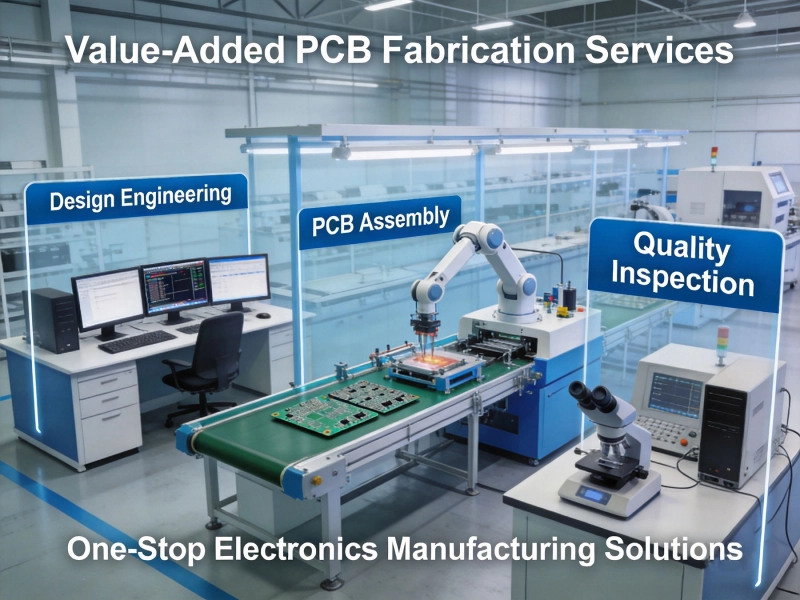
Value-Added PCB Fabrication Services: Beyond Just Making the BoardJune/12/2026

Conformal Coating and Box Build: Extending the Scope of PCB ServicesSeptember/10/2026
The Role of CAM Engineering in Preventing Manufacturing ErrorsJuly/03/2026

Inventory Management and Kitting: Streamlining Your Supply Chain with PCB ServicesJuly/15/2026
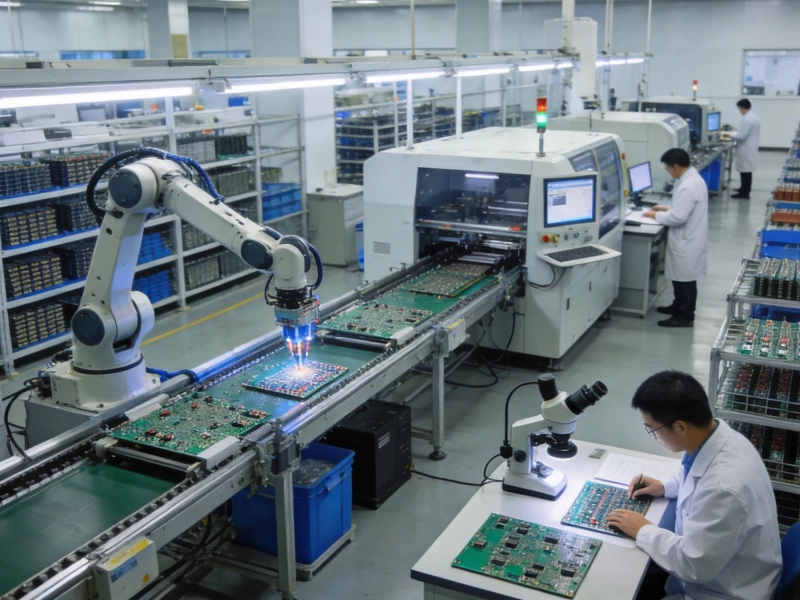
How to Find the Right PCB Fabrication Partner in ChinaJune/02/2026
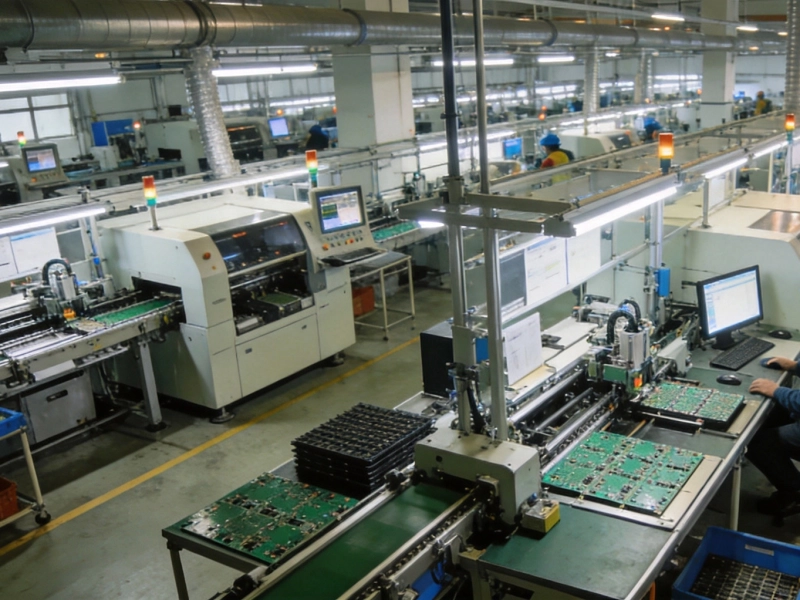
Is PCB Fabrication in China Still the Most Cost-Effective Option? A 2026 AnalysisJuly/27/2026

Understanding Copper Plating: Ensuring Connectivity and Durability in PCBsJuly/09/2026