Open Nav

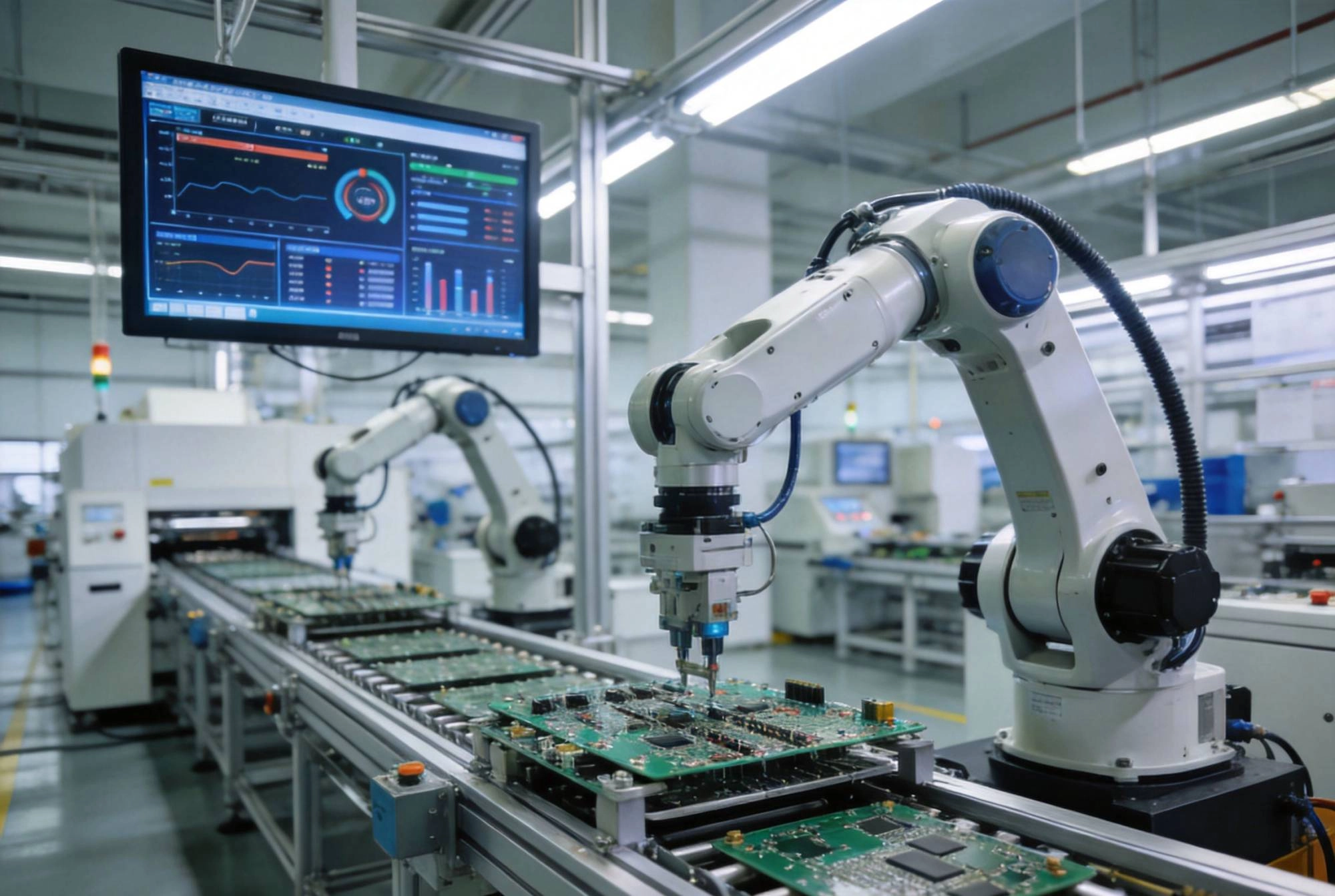
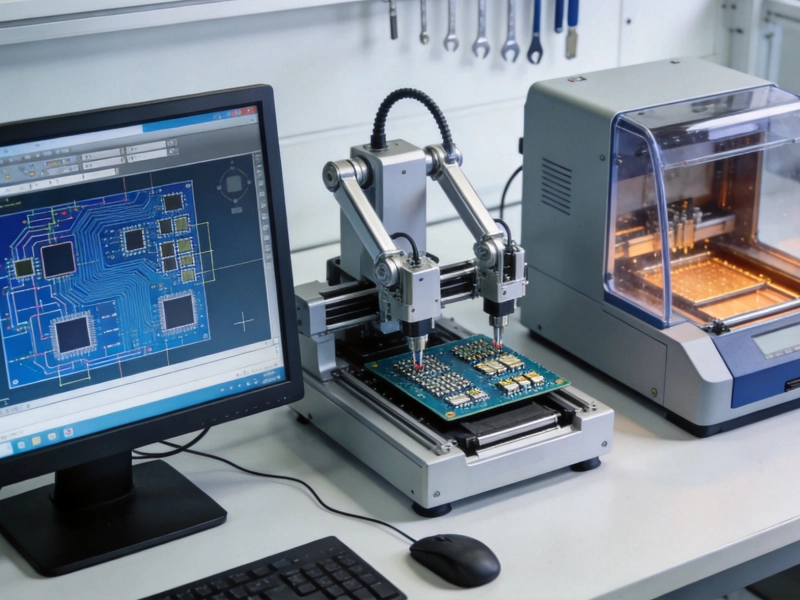
Walk into a modern PCB factory in Guangdong or Jiangsu province today, and you'll witness something remarkable. Gone are the cramped workshops filled with manual workers hunched over production lines. Instead, you see gleaming automated equipment, robotic arms gracefully handling delicate components, and massive digital displays tracking every aspect of production in real-time. Welcome to the Smart Factory revolution—and it's fundamentally changing how China produces the circuit boards that power our digital world.
I've had the privilege of touring dozens of Pcb Manufacturing facilities across China over the past decade. The transformation I've witnessed isn't just incremental improvement—it's a complete reimagining of how Electronics Manufacturing operates. The days of Pcb Production being purely labor-intensive are ending, replaced by facilities where artificial intelligence, robotics, and interconnected systems work together to achieve levels of quality, efficiency, and consistency that were unimaginable just fifteen years ago.
This shift toward smart manufacturing isn't merely about keeping up with technology—it's about survival in an increasingly competitive global market while addressing the reality of labor market changes in China. Today, let's explore how automation is revolutionizing China's PCB sector and what this means for businesses worldwide.
A Smart Factory represents the pinnacle of manufacturing evolution—what Industry 4.0 advocates have been promoting for years. It's more than just robots on production lines; it's about creating an intelligent, interconnected ecosystem where every aspect of manufacturing is digitally monitored, analyzed, and optimized.
In the context of Pcb Manufacturing, a smart factory integrates:
These elements work together to create manufacturing facilities that can essentially run themselves, with human workers transitioning from manual operators to system overseers and problem-solvers.
The journey to smart factories didn't happen overnight. Most Chinese PCB manufacturers have progressed through distinct phases:
Companies that successfully navigate these phases gain significant competitive advantages in quality, cost, and delivery reliability.
Robotics has transformed nearly every aspect of PCB manufacturing:
One factory I visited recently showcased a completely automated warehouse where AGVs retrieved materials, delivered them to production lines, and stored finished goods—all coordinated by an AI system that optimized logistics in real-time based on production schedules.
Artificial intelligence has become a game-changer for Pcb Quality Control:
Digital twins—virtual replicas of physical production systems—are gaining traction in advanced PCB facilities:
Modern smart factories implement comprehensive monitoring systems:
This data integration enables what smart factory advocates call "closed-loop Quality Control"—the ability to detect, analyze, and correct issues in near real-time rather than discovering problems after boards have progressed through multiple processes.
The quality improvements from smart factory implementation are substantial. Factories implementing comprehensive automation and AI-based Quality Control consistently report:
One manufacturer told me their defect rate dropped from 500 parts per million (PPM) to under 50 PPM after implementing smart factory principles. That's a 90% reduction in defects that translates directly to happier customers and lower warranty costs.
Beyond quality, smart factories achieve remarkable operational improvements:
The smart factory transition addresses a critical challenge facing Chinese manufacturers: changing labor dynamics. As China's workforce matures and wages increase, the traditional labor-intensive manufacturing model becomes less viable. Smart factories help by:
This evolution isn't about eliminating jobs—it's about transforming them. The factories I've seen maintain similar headcounts, but the nature of work has fundamentally changed.
Smart factory capabilities translate to faster Product Development and launch:
Smart factory implementation requires substantial capital:
This investment barrier means smart factory capabilities tend to concentrate among larger manufacturers, potentially widening the gap between industry leaders and smaller competitors.
The technical challenges of smart factory implementation are significant:
Perhaps the biggest challenges aren't technical at all:
Several Chinese PCB manufacturers have emerged as smart factory leaders:
Victory Giant Technology (Hui Zhou) has implemented comprehensive automation including automated warehousing, robotic assembly lines, and AI-powered quality control systems. Their facility reportedly achieves 85%+ equipment utilization rates with minimal human intervention in material handling.
Wus Printed Circuit (Kunshan) has focused on deep AI integration, with machine learning systems optimizing every aspect of production from drilling parameters to inspection thresholds. They claim defect rates below 30 PPM on advanced multi-layer boards.
Shennan Circuits has pioneered digital twin technology for PCB manufacturing, using virtual simulations to optimize production planning and equipment maintenance. Their approach has significantly reduced unplanned downtime.
Smart factory development concentrates in specific regions:
Smart factory capabilities are reinforcing China's position in global Electronics Manufacturing:
While smart factory improvements strengthen China's position, they also influence the "China Plus One" strategies of international companies:
This dynamic suggests a more nuanced future where China remains central to Global Electronics Manufacturing while some diversification occurs.
The smart factory evolution continues:
Smart factories increasingly focus on environmental responsibility:
If you're sourcing PCBs, smart factory capabilities should factor heavily in supplier selection:
If you're running a PCB factory, the path forward likely involves smart factory evolution:
The rise of Smart Factories In China's PCB sector represents one of the most significant manufacturing transformations in recent history. What we're witnessing isn't just incremental improvement—it's a fundamental reimagining of how complex electronics are manufactured.
For businesses involved in electronics manufacturing, this transformation offers substantial opportunities: better quality, more consistent supply, faster time-to-market, and competitive pricing from highly efficient facilities. The challenge is understanding and evaluating these capabilities in supplier selection.
For the manufacturing sector broadly, China's smart factory evolution offers lessons in how traditional industries can transform themselves through technology adoption, organizational change, and continuous improvement. The factories I see today would be unrecognizable to someone who visited them a decade ago—and they'll be equally transformed a decade from now.
The smart factory revolution in China's PCB sector isn't just changing manufacturing—it's setting new standards for what electronics production can achieve. Whether you're a customer seeking PCB manufacturing services or a participant in the industry itself, understanding these changes is essential for success in the evolving global electronics landscape.
A smart factory in PCB manufacturing integrates advanced technologies including robotics, artificial intelligence, IoT sensors, and digital systems to create highly automated, data-driven production facilities. These systems monitor, analyze, and optimize every aspect of Pcb Production in real-time, achieving levels of efficiency and quality impossible in traditional manufacturing environments.
Chinese PCB factories implement automation across multiple areas: robotic material handling and component placement, AI-powered visual inspection systems, automated testing and quality verification, integrated MES and ERP systems for production management, and predictive maintenance systems that prevent equipment failures before they occur.
Main benefits include significant improvements in first-pass yield (often 2-5%), dramatic defect reduction (some factories achieve under 50 PPM), higher equipment utilization rates (85%+), reduced labor costs despite wage increases, better traceability for regulatory compliance, and faster response to design changes and demand fluctuations.
Smart factories generally achieve substantially better quality than traditional manufacturing. AI-powered inspection catches defects human inspectors miss, real-time process control prevents issues rather than detecting them after the fact, and comprehensive data collection enables root cause analysis that prevents recurrence. Defect rate improvements of 50-90% are commonly reported.
While automation reduces the number of workers needed for manual tasks, smart factories typically maintain similar headcounts through job transformation rather than elimination. Workers transition from operating production equipment manually to overseeing automated systems, analyzing data, and managing exceptions. The nature of manufacturing work changes significantly, but humans remain essential.
Smart factories typically have higher initial capital costs but lower operating costs per unit due to improved efficiency and yield. This often translates to competitive or even lower pricing for customers, especially for higher-complexity products where quality and consistency matter most. The efficiency gains from automation help offset China's increasing labor costs.
Key technologies include industrial robotics for material handling and assembly, machine vision and AI for quality inspection, MES (Manufacturing Execution Systems) for production management, IoT sensors throughout facilities for real-time monitoring, digital twin technology for process simulation, and cloud computing for data analytics and optimization.
Exploring Special Materials in Custom PCB FabricationMay/21/2026
The Economics of Customization: Balancing Performance and Budget in PCB DesignJune/17/2026
Understanding Lead Times: What to Expect When Ordering from Chinese PCB MillsAugust/06/2026
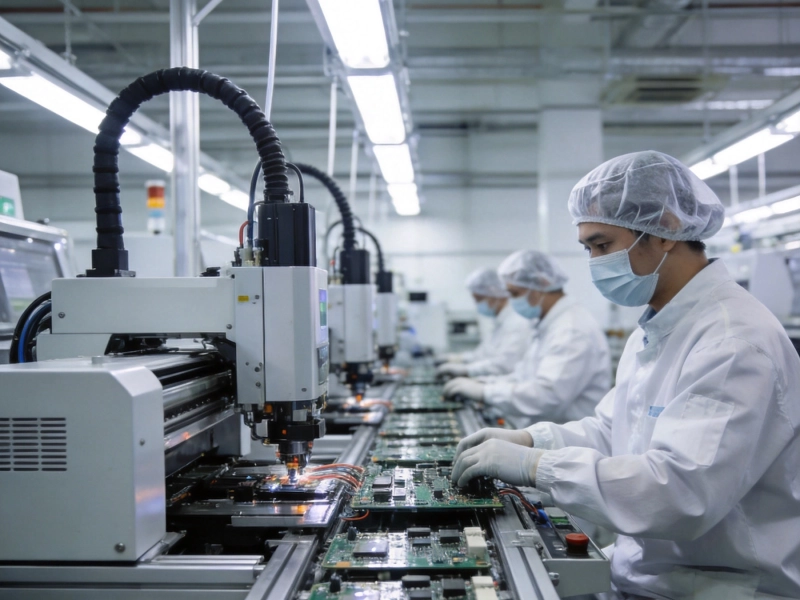
Case Study: How a German IoT Company Scaled Production with a Chinese PCB ManufacturerSeptember/01/2026
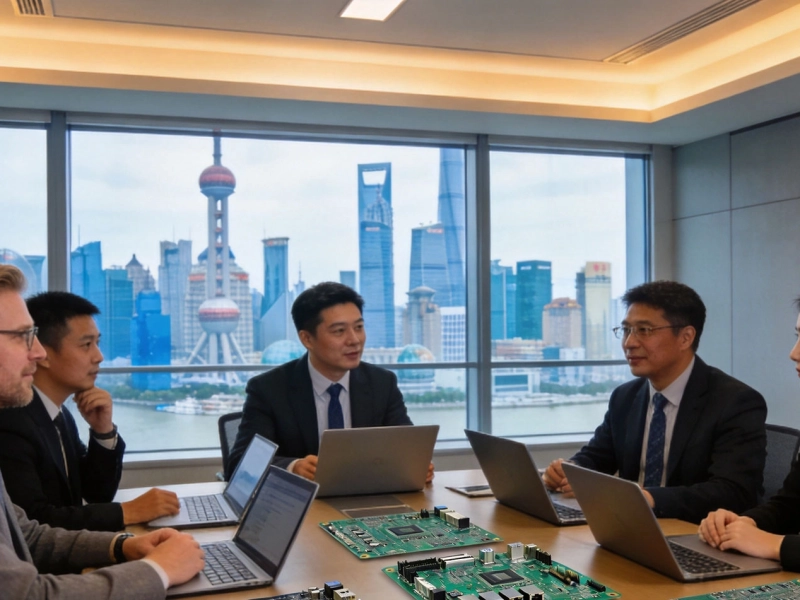
Overcoming Language and Cultural Barriers in Chinese PCB SourcingJuly/07/2026
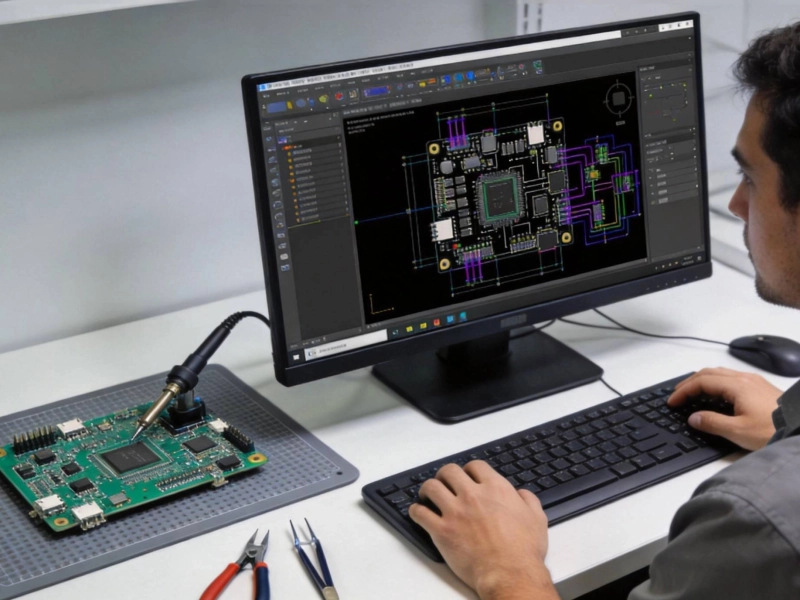
Essential Tips for Your First Custom PCB OrderJune/02/2026
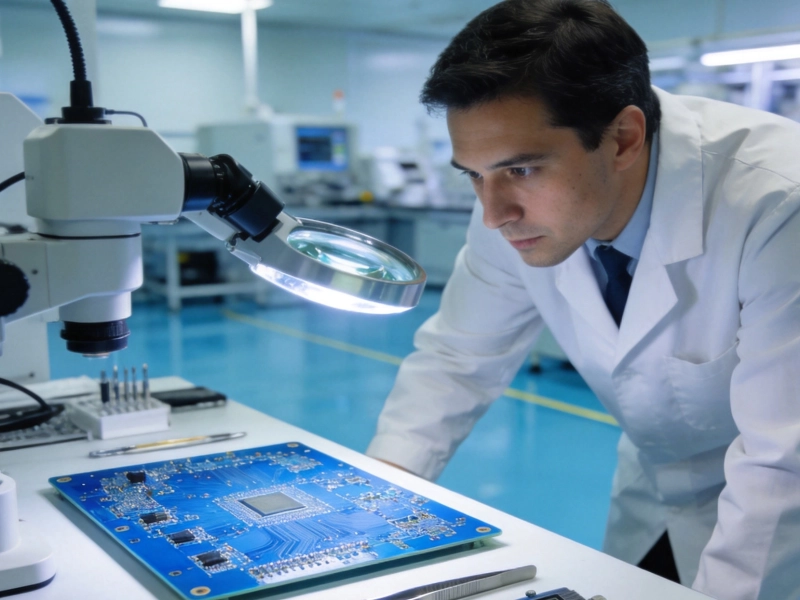
Common Pitfalls in Custom PCB Fabrication and How to Avoid ThemAugust/07/2026
The Role of DFM (Design for Manufacturability) in Custom Board SuccessSeptember/02/2026