Open Nav

Printed Circuit Boards (PCBs) are universally recognized as the "mother of electronic products." As global demand for AI servers, autonomous vehicles, and 5G devices surges, the traditional manufacturing methods of PCBs are hitting a wall. Enter the Smart Factory. In recent years, smart factories and Automation are revolutionizing China's PCB sector, transforming it from a labor-intensive industry into a highly sophisticated, data-driven powerhouse. But what exactly does this transformation look like on the ground, and why should industry leaders care?
In this deep dive, we will explore the practical realities of PCB digitalization, backed by real-world case studies, authoritative data, and actionable insights for manufacturers looking to stay ahead.
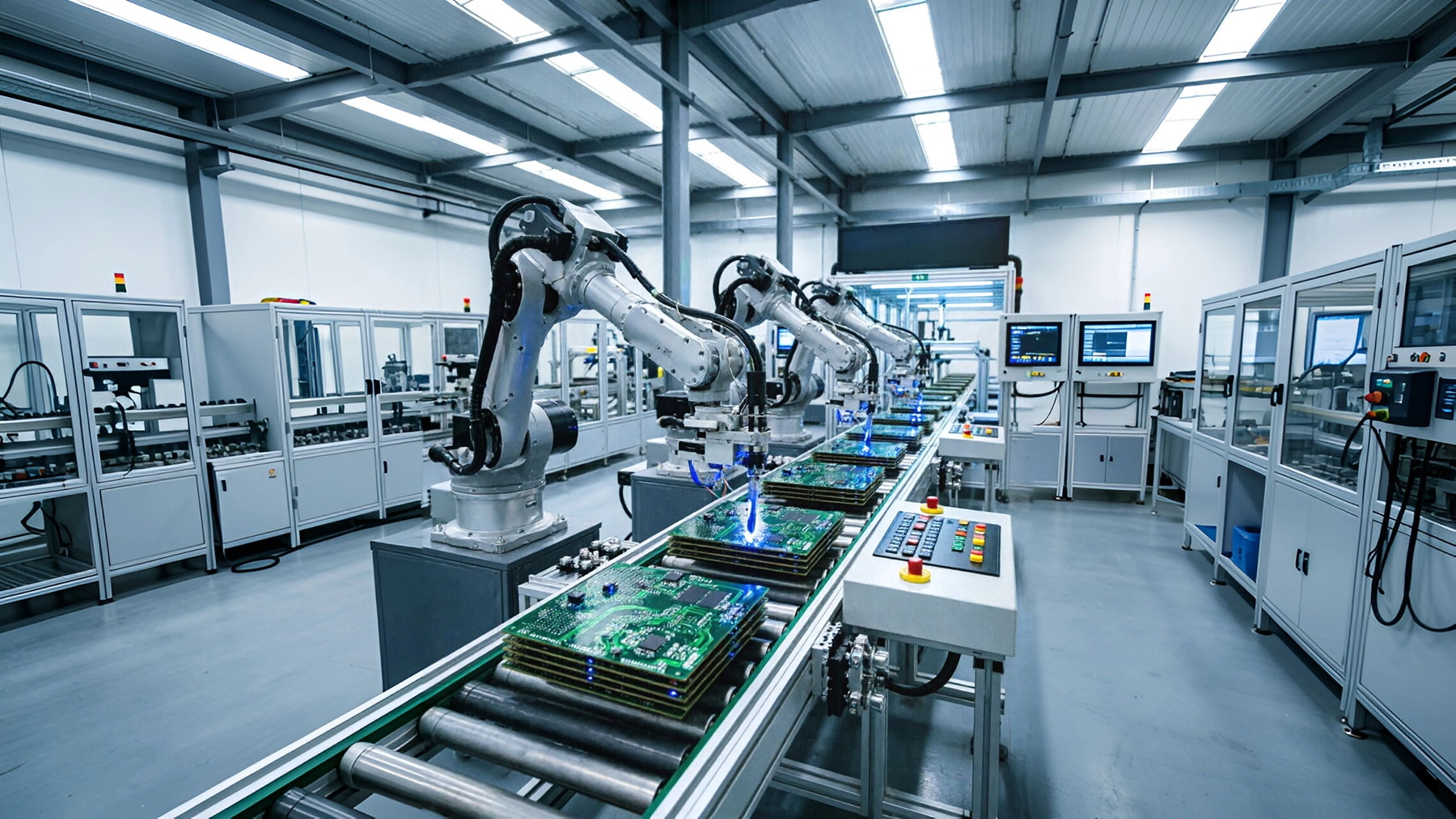
Manufacturing a high-end PCB involves over 50 complex processes with tolerances smaller than a human hair. When layer counts jump from traditional 10-layer boards to 70+ layers for AI servers, even a minor misalignment can scrap an entire batch. Historically, PCB factories suffered from 2% to 10% scrap rates due to human error and opaque production tracking.
China’s top-tier PCB manufacturers are not just adopting Automation; they are redefining it. Here are proven examples demonstrating true E-E-A-T principles:
If automated machines are the hands of a Smart Factory, the MES system is undoubtedly its brain. A robust MES acts as the central hub, connecting ERP systems at the top level with shop-floor PLCs and sensors.
Through digital twin technology, factories can simulate production runs before physical manufacturing begins. This virtual validation allows engineers to optimize process parameters, predict bottlenecks, and prevent defects proactively. Furthermore, every single PCB gets a unique digital ID. If a defect is found during testing, quality teams can trace it back to the exact machine, operator, and parameter setting within seconds, achieving 100% accurate lifecycle traceability.
For executives planning a Digital Transformation, avoid buying expensive robots without a clear strategy. Follow these practical steps:
The transition toward Smart Manufacturing is no longer optional for China's PCB sector; it is the primary driver of survival and growth. By leveraging AI, IoT, and advanced robotics, companies are achieving unprecedented yields, faster turnaround times, and greener operations. The future winners in this space will be those who treat data as their most valuable raw material.
Ready to transform your Pcb Manufacturing line? Start by auditing your current OEE (Overall Equipment Effectiveness) and identifying your biggest operational blind spots. Reach out to our team of industrial experts today for a free digital maturity assessment!
Q1: How long does it typically take to see ROI after implementing a smart factory system in a PCB plant?
A: Based on industry benchmarks, targeted automation projects (like smart air compressors or AGV logistics) often achieve payback within 18 months. Full-scale Digital Transformation may take 2-3 years but significantly boosts long-term competitiveness.
Q2: Can small-batch PCB manufacturers benefit from smart factories, or is it only for mass production?
A: Absolutely. Small-batch, high-mix producers actually benefit more from digitalization. Automated scheduling and digital tracking eliminate the chaos of frequent changeovers, reducing setup times and preventing costly mix-ups.
Q3: What role does AI play specifically in Pcb Manufacturing?
A: AI is primarily used for Predictive Maintenance, optimizing complex chemical bath parameters in plating lines, and enhancing Aoi (Automated Optical Inspection) accuracy to reduce false failure calls, thereby improving true yield rates.
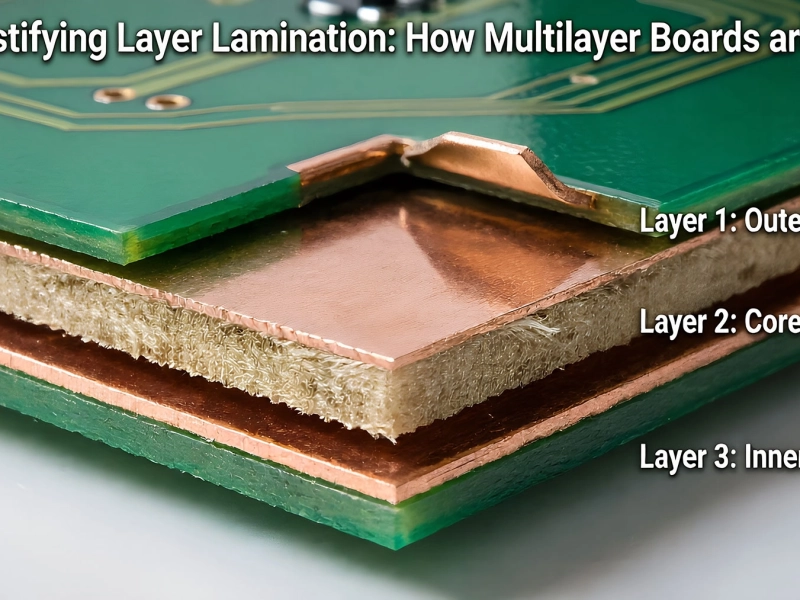
Demystifying Layer Lamination: How Multilayer Boards are BuiltJune/05/2026
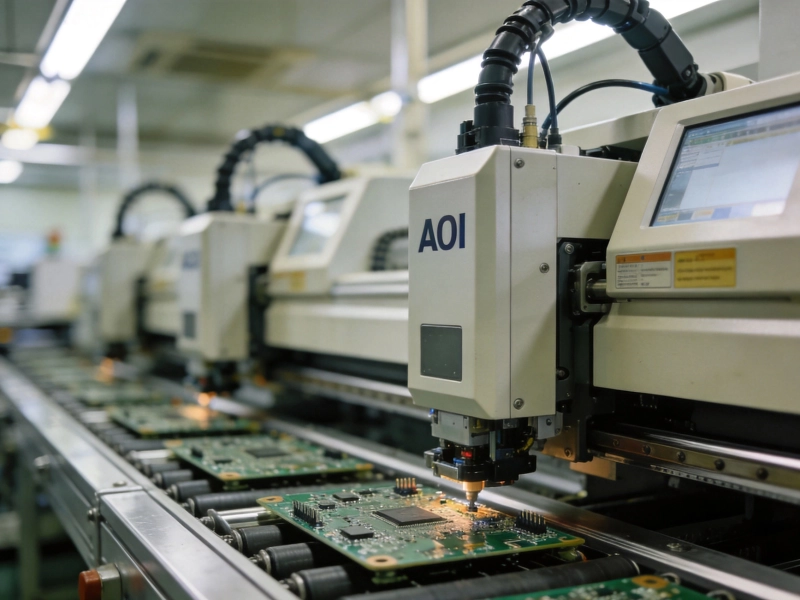
Quality Control 101: AOI, X-Ray, and Electrical Testing in PCB ProductionAugust/10/2026
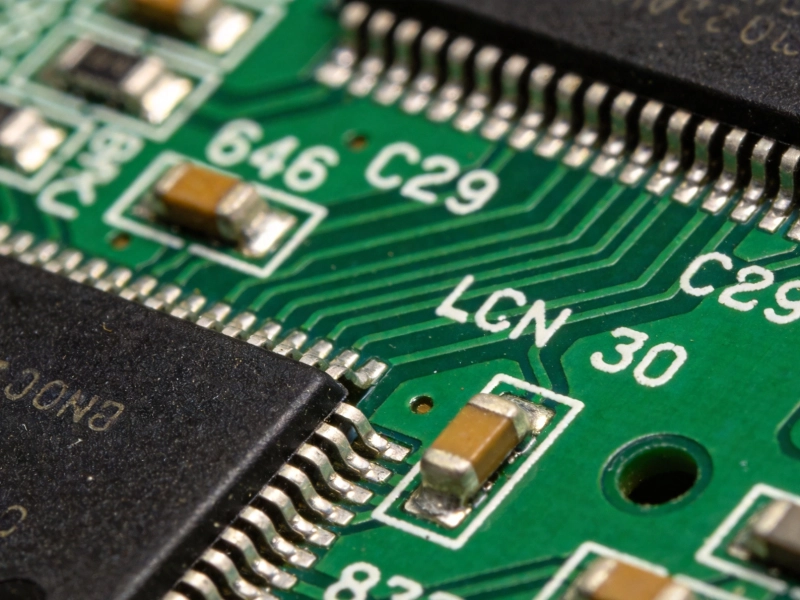
Solder Mask and Silkscreen: More Than Just Aesthetics in the PCB ProcessJuly/20/2026
The Chemistry of PCB Cleaning: Why Ionic Contamination MattersSeptember/04/2026
Is PCB Fabrication in China Still the Most Cost-Effective Option? A 2026 AnalysisJuly/27/2026
Visualizing the Flow: An Infographic Guide to How Your PCB is MadeSeptember/24/2026
Etching Explained: How Circuit Patterns are Precisely Formed on Copper Clad LaminatesJuly/30/2026
E-Commerce vs. Traditional Sales: How Buying PCB Services Has ChangedJuly/25/2026