Open Nav

Every engineering team has been there. A product launch looms, a critical field failure needs an immediate fix, or a key customer demonstration is scheduled for next week. Your Prototype PCBs need to arrive yesterday. In situations like these, emergency PCB runs become not just convenient but essential to business success.
The pressure to move fast creates real risks. Rushed manufacturing processes can introduce defects. Compressed timelines might lead to skipping important inspection steps. And the stress of an urgent order can cause communication breakdowns between designers and manufacturers.
This guide walks through proven strategies for getting boards fast while maintaining the reliability your products demand. You'll learn how to structure your emergency requests, what to expect from expedited services, and how to work effectively with manufacturers when time is tight.

Emergency or rush Pcb Manufacturing compresses the normal production timeline. Standard lead times might run 5-15 business days depending on complexity. Emergency services can reduce this to 24 hours, 48 hours, or 3-5 days for more complex boards.
This acceleration comes with costs—not just financial premiums but operational complexity. Manufacturers must shift production schedules, prioritize your job over others, and often run extra shifts or weekend work. Understanding how to navigate these dynamics helps you get better outcomes.
Emergency PCB requests typically fall into several categories:
Each scenario carries different constraints and trade-offs. A field failure might accept prototype-level boards for lab testing, while a customer demonstration needs production-quality appearance and reliability.
Getting boards fast requires preparation, clear communication, and sometimes accepting practical trade-offs. Here are the key strategies engineering teams use successfully.
Emergency situations create pressure to move forward without proper planning. Resist this impulse. Before contacting manufacturers, clearly define:
This preparation prevents expensive iterations caused by missing requirements or misunderstood scope.
Not all PCB manufacturers offer emergency services, and those that do vary in capability and reliability. When time is critical, manufacturer selection becomes paramount.
Factors to evaluate:
Build relationships with emergency-capable manufacturers before you need them. A manufacturer you know well can move faster for you than one you're approaching as a stranger during a crisis.
Complex boards take longer to manufacture regardless of urgency. If your timeline allows any flexibility, consider simplifying this revision:
A 4-layer board on standard FR-4 might be available in 48 hours, while the same design with Controlled Impedance and Rogers material takes two weeks even with rush charges.
Emergency manufacturing involves trade-offs. Understanding these upfront prevents surprises:
If you cannot accept any trade-offs, you may not be able to achieve the timeline you want. Define your minimum acceptable requirements clearly.
Some design decisions significantly impact manufacturing time. When you anticipate needing emergency services, design with turnaround in mind.
Complete, clear documentation eliminates back-and-forth that consumes precious time:
Have your design files ready to upload immediately. Some manufacturers offer online quoting systems that can convert a file upload into a quote in minutes.
Effective communication during emergency orders often determines success or failure. Here are practices that help manufacturers help you.
Be clear about your timeline but also about the consequences of missing it. "We need these by Thursday" differs from "Our biggest customer is visiting Friday and this board is our demonstration unit." Context helps manufacturers make smart prioritization decisions.
However, avoid crying wolf. When every order is marked "URGENT," manufacturers stop treating urgent requests as special. Use urgency designations honestly.
During emergency runs, email and web portals create delays. Request direct phone contact with the production planner or engineer managing your job. This enables:
If your manufacturer doesn't offer direct contact for emergency orders, consider whether they're truly equipped for urgent work.
Emergency manufacturing generates questions. "This pad looks undersized for the component—should we adjust?" "The impedance tolerance you specified is tighter than we can achieve in this timeframe—can we relax it?"
If you're unreachable for hours while critical decisions sit, your timeline suffers. Block time to be immediately available during production hours for your emergency order.
Getting boards manufactured quickly means nothing if they sit in shipping for days. Think about logistics from the start:
The pressure of emergency manufacturing can compromise quality if not managed carefully. Protecting reliability requires deliberate attention.
Define the minimum acceptable quality for your emergency boards. For a prototype going to your own lab, this might be relatively permissive. For a board going directly into field deployment, you'll want stricter standards.
Communicate your quality requirements explicitly. Don't assume "emergency" means the manufacturer knows you still need reliable boards.
Even with compressed timelines, certain inspections remain essential:
Ask your manufacturer which inspections they will perform automatically and which you must specifically request. Sometimes basic inspections are included in standard process even for rush orders.
If this is an emergency prototype, document what you're testing and why. This documentation helps you:
Rather than scrambling when emergencies arise, build capabilities that reduce emergency frequency and improve response effectiveness.
For boards that will eventually need replacement or expansion, maintaining even small buffer stocks eliminates many emergency situations. A few spare boards in your lab prevents a scramble when the first revision fails testing.
Single-source dependencies create vulnerability. Having qualified secondary sources for Pcb Manufacturing means you have options when your primary manufacturer encounters capacity constraints or quality issues.
Qualifying alternate sources takes time and effort—better to do this during normal operations than during an emergency.
Boards that are difficult to manufacture create more emergencies. They generate quality issues, require more troubleshooting, and take longer to produce. Investing in Dfm during design reduces emergency frequency throughout the product lifecycle.
For products with critical timelines, build contingency plans:
Having backup plans reduces the pressure that leads to poor decisions during emergencies.
Emergency runs solve real problems, but they shouldn't be your default approach. Standard lead times offer advantages:
Use emergency services for true emergencies. Routine prototype schedules should use standard lead times whenever project constraints allow.
Emergency PCB runs fill genuine needs in Product Development. When time matters more than incremental cost, knowing how to navigate expedited manufacturing makes the difference between meeting critical deadlines and missing them.
Success in emergency situations comes from preparation—having the right manufacturer relationships, design practices, and communication protocols in place before urgency strikes. Build these capabilities during normal operations so they're available when you need them most.
Remember that reliability and speed don't have to be opposites. With clear requirements, appropriate trade-offs, and a capable manufacturing partner, you can get boards fast without accepting unacceptable quality risk. The key is knowing what you need, communicating clearly, and working collaboratively with your manufacturer during the critical hours of an emergency run.
Emergency services vary by manufacturer and board complexity. Simple 2-4 layer boards might be available in 24-48 hours. Complex multi-layer boards with advanced features might be available in 3-5 days instead of 2-3 weeks. Ask your manufacturer for their specific emergency timelines.
Rush charges typically range from 50% to 200% above standard pricing, depending on the compression level and manufacturer. Some manufacturers quote flat fees for specific turnaround tiers. Factor these costs into your budget planning when emergencies arise.
Not necessarily, if managed properly. Emergency manufacturing compresses timelines but shouldn't eliminate essential quality processes. Work with manufacturers who can identify which steps are essential and which can be abbreviated without risking reliability. Communicate your minimum quality requirements clearly.
Build buffer stock for stable designs, maintain qualified alternate manufacturers, invest in Dfm to reduce revision frequency, establish realistic prototype schedules, and develop strong relationships with responsive manufacturers. Prevention costs less than emergency responses.
Include your exact turnaround requirement, consequences of missing your deadline, quality requirements for this board, any trade-offs you'll accept, your contact information for real-time communication, and shipping destination. The more context you provide, the better your manufacturer can help you succeed.
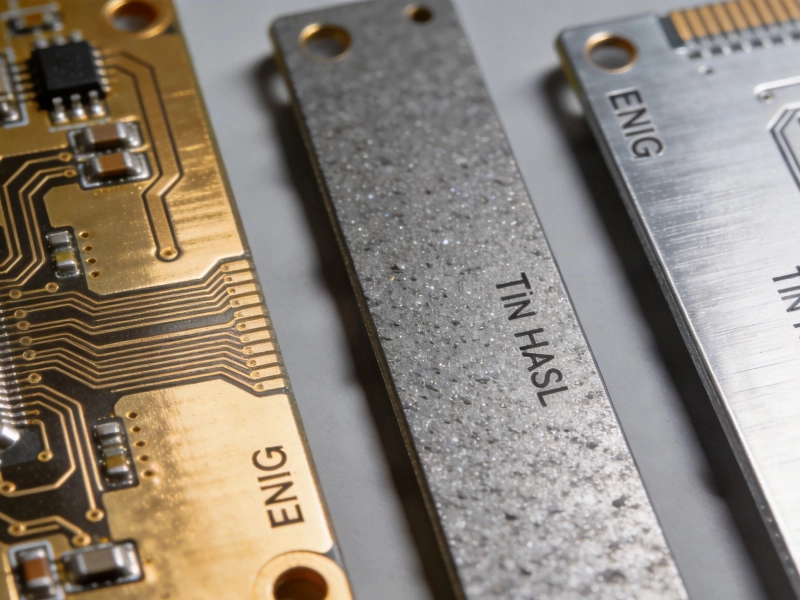
Custom Surface Finishes: Choosing Between ENIG, HASL, OSP, and Immersion SilverSeptember/14/2026
Thermal Management Strategies for Dense Multilayer PCB DesignsJuly/31/2026
Why Startups Rely on Quick Turn Fabrication to Secure Funding FasterAugust/08/2026
Why Quick Turn PCB Fabrication is Critical for R&D TeamsMay/21/2026
Microvias and Blind/Buried Vias: Key Technologies in HDI FabricationAugust/11/2026

How AI-Driven Scheduling is Making Rapid PCB Prototyping More ReliableJune/18/2026
Questions to Ask Before Placing a Rush Order for PCB FabricationSeptember/15/2026
How to Specify Tolerances and Stack-ups for High-Precision Custom PCBsJuly/28/2026