Open Nav

In the fast-paced world of Electronics Manufacturing, time represents both money and competitive advantage. When production schedules compress, Prototype deadlines loom, or critical failures require immediate replacement, urgent PCB deliveries become mission-critical operations. The logistics of shipping printed circuit boards rapidly involves far more than selecting express shipping services—it requires understanding regulatory requirements, packaging specifications, carrier capabilities, and international trade considerations. Manufacturers who master these logistics capabilities can dramatically reduce delivery times while maintaining product quality and compliance. This analysis explores the comprehensive logistics framework for urgent PCB deliveries, providing insights into shipping options, handling procedures, and strategies for minimizing delivery timelines without compromising reliability.
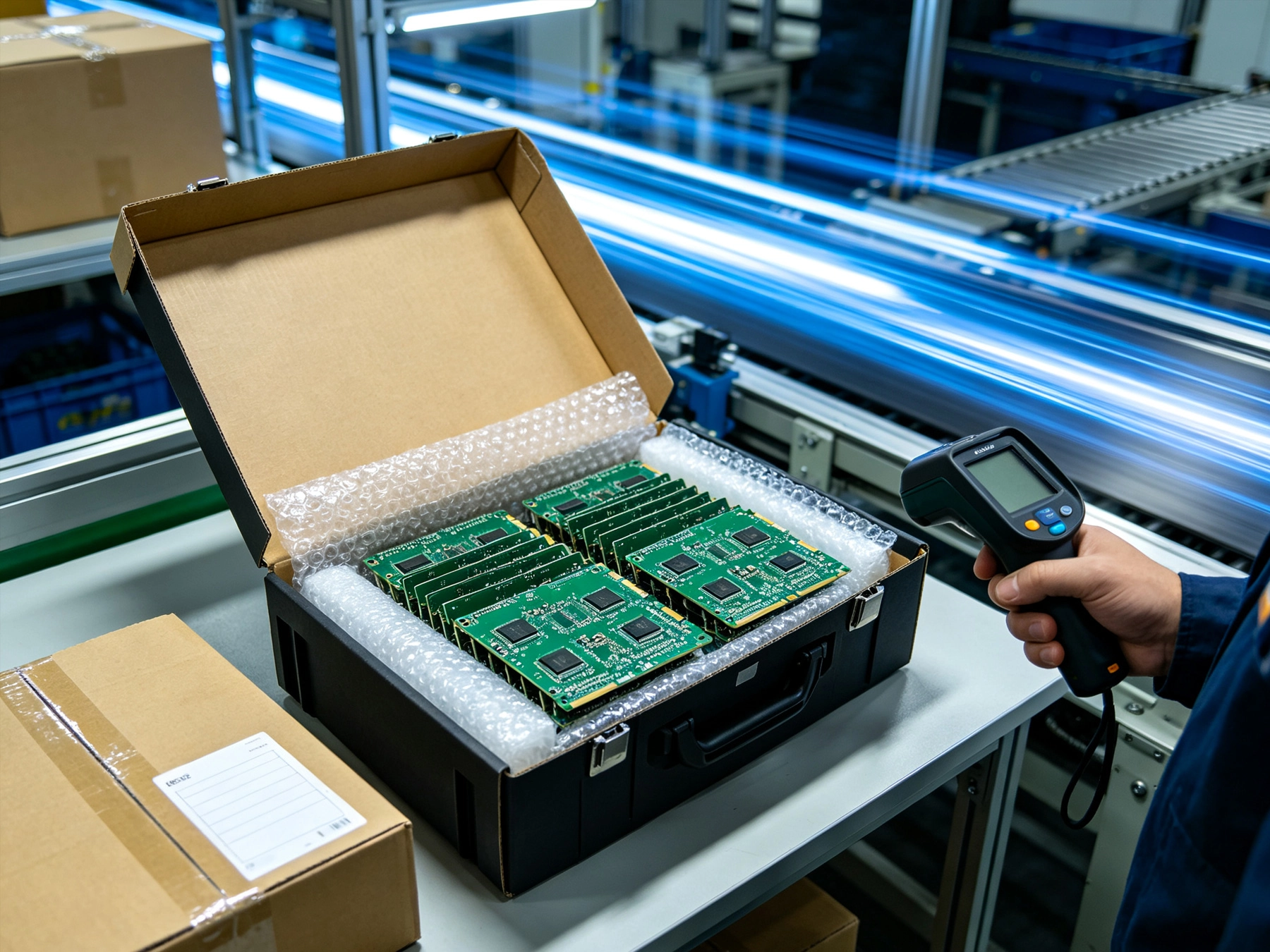
Urgent PCB deliveries face a unique set of challenges that differentiate them from routine logistics operations. The primary challenge involves balancing delivery speed against product protection—PCBs are sensitive electronic components requiring careful handling, yet time pressure often necessitates accelerated shipping methods. Regulatory compliance adds complexity, as international shipments must navigate customs regulations, export controls, and hazardous material restrictions. Coordination between manufacturers, carriers, and receiving facilities becomes critical when operating under compressed timelines, requiring precise communication and execution. Visibility and tracking become essential concerns, as stakeholders need real-time information about shipment status to plan downstream activities. Cost represents another significant challenge, as expedited shipping services command premium pricing that can dramatically impact project budgets. Weather events, carrier disruptions, and operational issues can introduce unpredictability into tight delivery schedules. Geographic factors influence delivery timelines significantly, with remote locations and international destinations requiring additional planning time. Understanding these challenges enables manufacturers to develop comprehensive logistics strategies that anticipate and mitigate potential delays.
Domestic urgent PCB shipping within single countries offers relatively straightforward options, though selecting the optimal service requires understanding delivery timelines, service levels, and cost structures. Priority overnight delivery provides next-business-day delivery by end-of-day (typically 5:00 PM local time), making it the fastest standard option for shipments requiring next-day arrival. Same-day delivery services offer actual same-day arrival for extremely urgent shipments, typically requiring pickup by early morning (8:00-10:00 AM) with delivery by end of business day. This premium service commands the highest cost but provides fastest possible delivery for domestic shipments. Early morning overnight delivery guarantees arrival by 10:30 AM the next business day, enabling early receipt for time-critical assembly operations. Saturday delivery services extend standard overnight timelines to include weekends, maintaining project momentum during critical periods. Scheduled pickup services provide certainty around departure times, enabling precise planning of downstream activities. Ground expedited services offer cost savings compared to air options while still providing accelerated delivery (2-5 days) for less time-critical shipments. Carriers offer service level guarantees with refund provisions if delivery timelines aren't met, providing financial protection for critical shipments. Selecting the optimal domestic service requires balancing delivery urgency against project budgets while considering service reliability and contingency options.
International urgent PCB delivery introduces additional complexity through customs clearance, regulatory compliance, and extended delivery timelines. Standard international express delivery typically requires 2-5 business days depending on destination country, customs processing, and final delivery requirements. International same-day or next-day delivery exists for select major cities and trade lanes, often requiring dedicated aircraft charter and premium pricing. Customs pre-clearance programs including C-TPAT (Customs-Trade Partnership Against Terrorism) and Trusted Trader programs accelerate customs processing for qualified shippers. Document preparation requirements include commercial invoices, packing lists, certificates of origin, and export declarations that must be completed accurately to avoid delays. Export control regulations including ITAR (International Traffic in Arms Regulations) and EAR (Export Administration Regulations) apply to certain PCB technologies requiring licensing before international shipment. Electronic components including PCBs may require specific documentation certifying compliance with RoHS, REACH, and other regional environmental regulations. Value-added tax (VAT) and import duties must be considered, as these charges can delay delivery if not properly handled through recipient payment arrangements. Time zone differences complicate coordination, particularly when requiring real-time communication between international parties. Understanding these international considerations enables manufacturers to plan realistic delivery timelines and develop contingency strategies for potential delays.
Proper packaging represents a critical factor in ensuring PCBs arrive intact while meeting carrier requirements for expedited services. Packaging must provide mechanical protection against drops, impacts, and vibration during transit while maintaining appropriate environmental conditions. Anti-static packaging including ESD bags, conductive foam, and anti-static bubble wrap prevents electrostatic discharge damage during handling. Moisture barrier protection becomes particularly important for international shipments where transit times extend and humidity variations occur. Desiccant packets and humidity indicator cards provide environmental monitoring and moisture absorption during extended transport. Inner packaging should immobilize PCBs individually, preventing movement and contact damage between multiple boards. Outer packaging must meet carrier size and weight restrictions—typically maximum dimensions of 48 inches length, 36 inches width, and 60 inches girth, with weight limits varying by service level. Shock and vibration protection including corner reinforcements, bubble wrap, and foam inserts cushion against handling impacts. Proper labeling including "Fragile," "Electronics," "Do Not Bend" warnings communicates special handling requirements to carrier personnel. Temperature-controlled packaging may be necessary for temperature-sensitive components or extreme weather conditions. Documentation including packing lists, handling instructions, and contact information should be securely attached to outer packaging. Compliance with carrier packaging guidelines prevents rejection and delays, particularly for premium express services with strict acceptance criteria.
Selecting the optimal carrier and service level requires understanding carrier capabilities, service networks, and performance characteristics. Major global carriers including FedEx, UPS, DHL, and regional specialists offer varying strengths in different geographic regions and service categories. Carrier service level guarantees provide recourse if delivery timelines aren't met, though claim processes can add administrative complexity. Transit time calculators provide estimated delivery times based on origin, destination, service level, and pickup time, enabling precise timeline planning. Service reliability statistics including on-time delivery rates vary by carrier and route, with urban routes typically outperforming remote destinations. Customer service capabilities including dedicated account management, proactive delay notification, and priority support become critical for urgent shipments. Pickup availability varies by carrier, with some requiring advance scheduling for same-day pickup while others offer on-demand services. Tracking capabilities provide real-time visibility into shipment status, with varying levels of detail depending on carrier systems. Alternative routing options including connecting flights, hub transfers, and interline arrangements provide flexibility when primary routes experience disruptions. Cost structures vary significantly between carriers for comparable service levels, requiring careful comparison and negotiation for regular urgent shipments. Carrier partnerships and strategic relationships can provide preferential treatment, guaranteed capacity, and enhanced support for critical shipments.
Effective coordination and communication represent critical success factors for urgent PCB delivery operations. Single points of contact on both shipper and receiver sides simplify communication chains and reduce response times for critical decisions. Pre-shipment planning meetings establish expectations, confirm requirements, and identify potential issues before they cause delays. Real-time communication protocols including instant messaging, dedicated phone lines, and status update schedules ensure all stakeholders remain informed throughout the shipment process. Contingency planning for potential delays should include alternative shipping methods, backup routes, and expedited logistics partners who can step in if primary carriers experience issues. Documentation review before shipment submission catches errors that could cause customs clearance problems or carrier rejections. Delivery confirmation procedures ensure timely receipt and immediate notification when shipments arrive at destination facilities. After-hours delivery arrangements and special handling requirements should be communicated and confirmed before shipment departure. Post-shipment debriefs capture lessons learned and identify improvement opportunities for future urgent shipments. These communication strategies create transparency, enable rapid decision-making, and minimize the impact of unexpected issues during critical delivery operations.
While urgent PCB shipping commands premium pricing, strategic approaches can optimize costs without compromising delivery requirements. Service level optimization involves selecting the minimum acceptable service level that meets delivery timelines, avoiding unnecessary premium services. Consolidation opportunities exist when multiple PCB orders from similar origins can ship together to destinations in the same region, reducing per-unit shipping costs. Volume discounts become available for manufacturers with consistent urgent shipping volume, providing leverage in carrier negotiations. Alternative routing options including less expensive carriers for less time-critical shipments within urgent orders can reduce overall costs. Pre-negotiated rates and contracted service levels provide predictable costs and guaranteed capacity for recurring urgent shipment needs. Weight and dimension optimization reduces shipping charges by minimizing package size and weight without compromising product protection. Pickup scheduling optimization avoids late pickup fees and ensures maximum transit time within service level windows. Cost-benefit analysis comparing potential production downtime costs against shipping premiums provides justification for urgent shipping investments. These optimization strategies enable manufacturers to reduce urgent shipping costs by 15-30% while maintaining required delivery performance.
Modern technology solutions significantly enhance the efficiency and reliability of urgent PCB delivery operations. Automated shipping label generation integrates with production systems, printing compliant labels with tracking information and carrier-specific barcodes. Real-time tracking APIs provide automated status updates and enable integration with manufacturing execution systems for downstream planning. Predictive analytics using historical shipping data and real-time conditions forecast potential delays and recommend alternative routes or service levels. Electronic documentation systems generate required customs documents, commercial invoices, and export declarations automatically, reducing errors and processing time. Blockchain-enabled traceability creates immutable records of custody transfers and handling events for critical shipments. RFID and NFC tags enable automated package tracking throughout carrier networks, providing granular visibility beyond standard tracking systems. Machine learning algorithms optimize shipping decisions by considering multiple factors including service levels, costs, carrier performance, and external conditions. Mobile applications provide real-time communication and status updates to stakeholders anywhere, enabling rapid response to developing situations. Integration between manufacturing ERP systems, carrier systems, and customer portals creates end-to-end visibility from production initiation to final delivery. These technological advancements reduce manual effort, minimize errors, and provide unprecedented visibility and control over urgent logistics operations.
Comprehensive risk management and contingency planning minimize the impact of disruptions on urgent PCB delivery timelines. Risk assessment identifies potential failure points including weather events, carrier delays, customs issues, and operational disruptions. Backup shipping arrangements including secondary carrier agreements and alternative routing options provide contingency options when primary plans fail. Insurance coverage including shipment value insurance, business interruption insurance, and liability protection mitigates financial impacts of lost or delayed shipments. Diversified carrier relationships prevent over-reliance on single providers who may experience service disruptions. Weather monitoring systems provide advance warning of potential disruptions, enabling proactive route adjustments or service level modifications. Customs broker relationships facilitate expedited clearance and problem resolution when issues arise. Buffer time planning incorporates contingency days into delivery schedules for critical shipments, providing flexibility for unexpected delays. Emergency contact protocols establish clear escalation paths for rapid response when issues occur. Post-incident analysis captures lessons learned and updates contingency procedures based on actual experience. These risk management measures provide resilience in urgent logistics operations, ensuring that delivery timelines remain achievable even when unexpected disruptions occur.
The logistics of urgent PCB delivery requires comprehensive planning, sophisticated coordination, and continuous optimization. While urgent shipments command premium costs, the competitive advantages and protection against production downtime they provide often justify the investment. Manufacturers who develop robust urgent logistics capabilities gain significant competitive advantages through faster time-to-market, improved customer satisfaction, and reduced risk of production delays. Success requires understanding the complex interplay between carrier services, international regulations, packaging requirements, and communication protocols. As global supply chains continue to compress and customer expectations for rapid delivery increase, urgent PCB logistics capabilities will become increasingly critical differentiators in the Electronics Manufacturing market. Investment in logistics infrastructure, technology, and partnerships represents strategic preparation for the inevitable urgent shipment scenarios that arise in competitive manufacturing environments. The ability to execute urgent deliveries reliably creates confidence with customers and internal teams, enabling faster Product Development cycles and more responsive manufacturing operations. In the race against time, comprehensive urgent logistics capabilities provide the competitive edge that separates market leaders from followers.
What shipping options are available for urgent PCB delivery?
Urgent PCB delivery options include same-day delivery, overnight priority delivery, early morning overnight delivery, and international express delivery. Same-day delivery provides fastest service for domestic shipments requiring same-day arrival. Overnight services deliver next business day with varying arrival times (end-of-day or early morning). International express delivery typically requires 2-5 days depending on destination and customs processing. Service level selection depends on delivery urgency, destination, and budget considerations.
How do I ensure proper packaging for urgent PCB shipments?
Proper PCB packaging requires anti-static materials (ESD bags, conductive foam), moisture barrier protection, individual board immobilization, and shock/vibration cushioning. Use anti-static bubble wrap, desiccant packets, and humidity indicators for international shipments. Outer packaging must meet carrier size and weight restrictions. Label packages with "Fragile," "Electronics," and handling instructions. Consider temperature-controlled packaging for sensitive components. Following carrier packaging guidelines prevents rejections and delays.
What documentation is required for international urgent PCB shipments?
International PCB shipments require commercial invoices, packing lists, certificates of origin, export declarations, and potentially export control licenses (ITAR/EAR). Documents must comply with RoHS, REACH, and regional environmental regulations. Customs pre-clearance programs accelerate processing for qualified shippers. Import duties and VAT arrangements should be established before shipment. Accurate, complete documentation prevents customs delays that can extend delivery timelines significantly.
How can I optimize costs for urgent PCB shipping?
Cost optimization strategies include selecting minimum acceptable service levels, consolidating shipments to same destinations, negotiating volume discounts with carriers, optimizing package dimensions and weight, and using alternative carriers for less critical shipments within urgent orders. Pre-negotiated rates and contracted services provide predictable costs. Cost-benefit analysis comparing production downtime costs against shipping premiums justifies urgent shipping investments. Strategic planning can reduce urgent shipping costs by 15-30%.
What technologies can improve urgent PCB logistics?
Technologies including automated shipping label generation, real-time tracking APIs, predictive analytics, electronic documentation systems, RFID/NFC tracking, and machine learning optimization enhance urgent logistics operations. Integration between manufacturing systems and carrier platforms creates end-to-end visibility. Mobile applications provide real-time communication and status updates. Blockchain traceability creates immutable custody records. These technologies reduce manual effort, minimize errors, and provide unprecedented visibility and control.

Thermal Management Strategies for Dense Multilayer PCB DesignsJuly/31/2026

Best Practices for Preparing Files for Expedited PCB ManufacturingJuly/29/2026

Questions to Ask Before Placing a Rush Order for PCB FabricationSeptember/15/2026
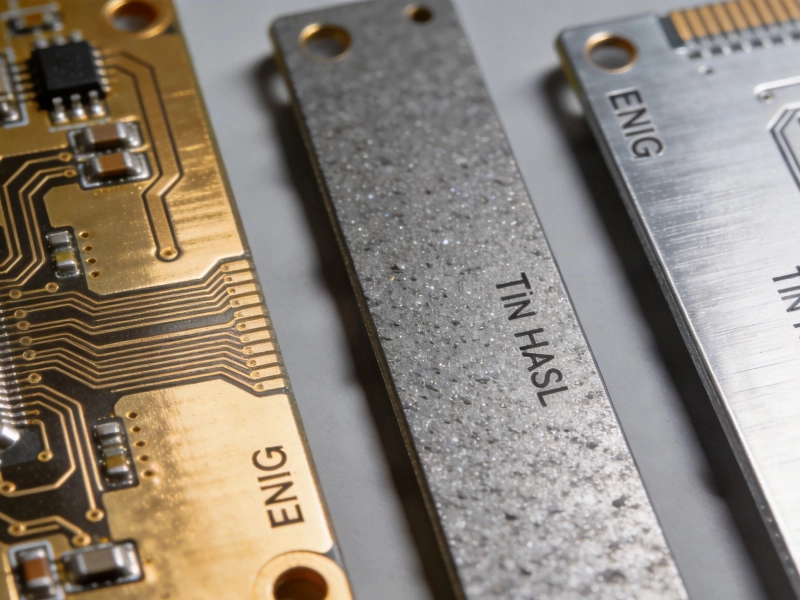
Custom Surface Finishes: Choosing Between ENIG, HASL, OSP, and Immersion SilverSeptember/14/2026
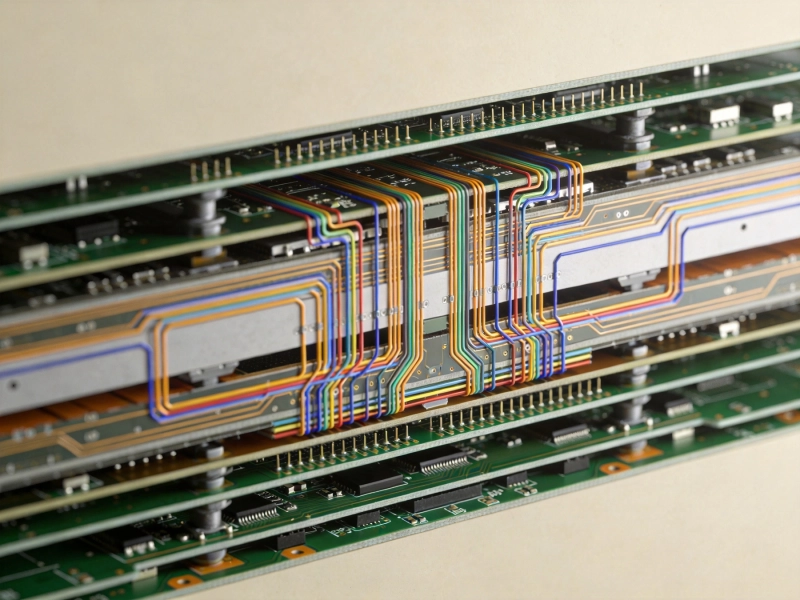
Managing Signal Integrity and Impedance Control in High-Speed Multilayer PCBsJuly/21/2026

Understanding the Basics of PCB Production China: From Gerber Files to Finished BoardsOctober/16/2026

Comparing Traditional vs. Digital Quick Turn PCB ServicesJuly/18/2026

Why Quick Turn PCB Fabrication is Critical for R&D TeamsMay/21/2026