Open Nav

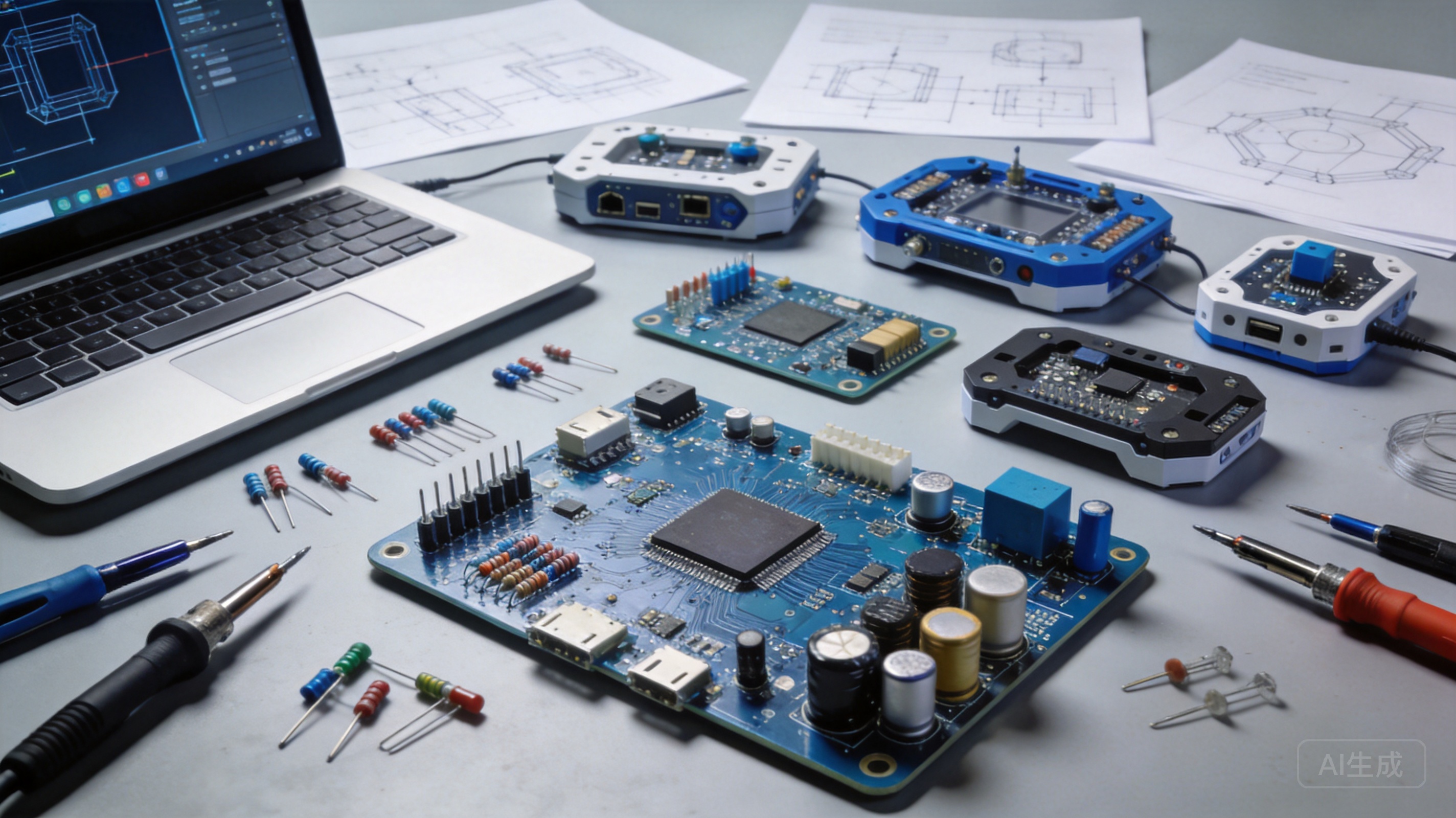
In the high-stakes world of hardware startups, the gap between concept and demonstrable Prototype often determines whether a young company thrives or fades into obscurity. Quick Turn fabrication has emerged as a critical enabler for hardware startups, compressing development timelines from months to days and dramatically improving the narrative that founders present to potential investors.
Venture capitalists and angel investors don't fund ideas—they fund progress, momentum, and teams capable of executing under pressure. When a startup demonstrates working hardware rather than just PowerPoint slides, the fundraising conversation fundamentally shifts from speculation to evidence-based investment thesis.
Hardware startups face unique challenges that software companies simply don't encounter. Building physical products requires Manufacturing Capabilities, Supply Chain relationships, and longer development cycles that can stretch from concept to shippable Prototype in ways that digital products rarely experience.
Traditional fabrication timelines work against startup agility. Standard PCB Fabrication might require two weeks or longer, with assembly services adding additional weeks. For a startup burning through runway capital, waiting five or six weeks for a first prototype means burning cash without demonstrating progress to investors or customers.
Experienced investors understand that hardware startups carry execution risks that software ventures can sidestep. Manufacturing complexity, component availability, and Quality Control all introduce variables that can derail product timelines. When evaluating hardware investments, sophisticated investors look for evidence that founders understand these challenges and have plans to mitigate them.
A startup that demonstrates working prototypes on compressed timelines signals competence in navigating manufacturing complexity. This evidence carries disproportionate weight compared to market projections or competitive analysis—it's tangible proof that the team can execute.
Beyond investor relations, Quick Turn fabrication creates genuine competitive advantages. First-mover opportunities in emerging markets often determine market share for years to come. A startup that reaches market three months ahead of competitors captures customer relationships, establishes brand recognition, and builds switching costs that late entrants struggle to overcome.
Quick turn capabilities compound over multiple product iterations. A startup might test twelve hardware concepts in the time a competitor validates three. This accelerated learning curve produces better products while simultaneously building the demonstrated execution capability that investors value.
Quick turn fabrication services prioritize speed through multiple mechanisms. These facilities maintain expedited production queues that jump ahead of standard orders, often providing 24-hour or 48-hour turnaround for board fabrication. While premium pricing applies, the time savings often prove worthwhile when development schedules are compressed.
Beyond queue priority, quick turn services streamline their internal processes. Simplified design rule sets, standardized materials, and optimized production workflows reduce turnaround times without sacrificing fundamental quality. These services still produce production-quality boards—the speed comes from process efficiency rather than shortcuts that compromise reliability.
Assembly services complement fabrication speed with accelerated component placement and soldering. Quick turn assembly can complete within 48-72 hours for standard component sets, including time for solder paste application, component placement, reflow soldering, and basic inspection.
Component sourcing represents a potential bottleneck even when assembly is expedited. Top quick turn services maintain extensive component inventories specifically to avoid delays from supplier lead times. For specialized components not in stock, these services often have established relationships with distributors that enable rapid procurement.
Quality quick turn fabricators often provide Design For Manufacturability (Dfm) feedback as part of their service. This consultation helps startups avoid common pitfalls that could delay prototypes or require respins. Early identification of manufacturing issues saves time that would otherwise be consumed by failed prototypes.
Dfm feedback proves particularly valuable for first-time hardware founders who may not anticipate fabrication limitations. Things like minimum trace widths, pad spacing requirements, and panelization strategies become apparent through this consultation rather than after expensive prototype failures.
At the pre-seed stage, founders typically pitch with business plans and technical descriptions of what they intend to build. Investors in this phase bet on team, market, and insight rather than demonstrated product. However, even at this early stage, having preliminary prototypes or proof-of-concept hardware elevates the conversation from theory to execution.
When a pre-seed startup demonstrates that they've actually built something—however rough—investor skepticism transforms into engagement. The follow-up questions shift from "can you build this?" to "how do we scale what you've started?" This subtle shift in conversation dynamic can determine whether due diligence proceeds or the pitch ends without follow-up.
Series A conversations require more substantial evidence. By this stage, investors expect startups to demonstrate meaningful progress toward product-market fit. Working hardware that potential customers can evaluate becomes a powerful traction indicator that transcends user growth metrics or feature lists.
Field demonstrations at investor meetings carry substantial weight. When founders can hand investors a functioning device and let them interact with it directly, the pitch achieves dimensionality that slides and demos cannot replicate. Investors remember holding a physical product—it's tactile, memorable, and persuasive in ways that virtual demonstrations aren't.
Strategic investors—corporate venture arms and industry partners—often have longer evaluation timelines and more complex decision-making processes than pure financial investors. These relationships benefit particularly from demonstrated technical capability and manufacturing readiness.
A startup that arrives at strategic investor meetings with production-quality prototypes signals readiness for partnership discussions. The conversation shifts from exploration to negotiation because both parties can see that the startup has crossed the threshold from concept to executable plan.
Quick turn fabrication commands significant price premiums—expedited services might cost two to five times standard pricing depending on turnaround requirements. For startups with limited capital, this premium represents a meaningful expense that must be weighed against the funding advantages that faster prototypes provide.
The calculus typically favors quick turn when the alternative is delayed fundraising. If an extra month of runway consumed while waiting for standard lead times costs more in investor momentum than the quick turn premium, the expedited approach makes financial sense. Sophisticated founders treat quick turn costs as investment expenses rather than manufacturing overhead.
Speed shouldn't come at the cost of demonstration quality. A prototype that malfunctions or appears unpolished undermines the credibility gains that working hardware provides. Quick turn services that sacrifice quality for speed defeat the purpose—investors evaluating a demo device that fails create negative impressions that harm fundraising more than delays would have.
Reputable quick turn services maintain quality standards regardless of turnaround speed. The acceleration comes from process optimization and queue management rather than reduced inspection or shortcut manufacturing. Startups should verify service quality through references and sample work before committing to expedited arrangements.
Hardware Development inherently requires multiple iterations. Budget-conscious startups plan for three to five prototype spins before reaching production-quality boards. This iterative approach accepts some per-unit inefficiency in exchange for learning speed that ultimately reduces total development time and cost.
Early iterations can focus on core functionality while later spins address refinement and production readiness. This staged approach allocates quick turn premiums where they matter most—early prototypes benefit from speed to demonstrate concept viability, while later prototypes can use standard lead times because the fundraising conversations have already concluded.
Startups that establish ongoing relationships with quick turn fabricators unlock advantages beyond single-order speed. Repeat customers gain access to faster quoting, prioritized scheduling, and engineering consultation that accelerates subsequent orders. These relationship benefits compound over time as the fabricator learns the startup's specific requirements and preferences.
Trusted fabrication partners also become valuable advisors during challenging design moments. When facing difficult routing constraints or component placement challenges, experienced manufacturers offer suggestions that internal engineering teams might miss. These insights reduce respins and accelerate timelines in ways that repay the relationship investment many times over.
Effective partnership requires clear communication practices. Startups should provide complete design files with clear specifications, establish escalation paths for urgent requests, and maintain responsive communication during critical development phases. These practices enable fabrication partners to deliver optimal results on compressed timelines.
Documentation of previous orders helps fabricators replicate successful approaches on new projects. When the fifth prototype follows patterns established on earlier spins, manufacturing speed and quality both improve. Startups that maintain organized records of successful designs accelerate subsequent development cycles.
Successful startups align their prototype development schedules with funding milestone needs. If a seed round closes in four months, prototype demonstrations should be ready one to two months before fundraising conversations reach critical stages. This timing buffer allows for any unexpected delays while ensuring that demonstrations occur during active investor engagement.
Milestone planning extends beyond single funding rounds. Series A prototypes should demonstrate progress beyond seed stage hardware. Series B candidates should show manufacturing readiness that suggests scaling capability. Each prototype milestone should tell a story of advancement that justifies higher valuations.
Not every prototype needs full product functionality. Minimum viable hardware (MVH) focuses prototype development on the features most critical for investor demonstration. Additional capabilities can be discussed as planned features rather than current implementations, freeing prototype budgets to concentrate on making core functionality exceptional.
This selective approach requires judgment about what investors actually evaluate. For IoT devices, connectivity and app integration often matter more than sensor accuracy. For motor control products, smooth operation and efficiency metrics may dominate investor interest. Understanding investor priorities focuses prototype development where it creates maximum fundraising impact.
Sophisticated Series A and later investors evaluate production readiness, not just prototype capability. They want evidence that startups can scale from individual prototypes to repeatable manufacturing without catastrophic yield losses or quality problems. Demonstrating manufacturing viability requires more than working prototypes—it requires showing that the path to volume production is understood and achievable.
Evidence of manufacturing readiness includes completed design documentation, identified manufacturing partners, estimated production costs, and defined Quality Control processes. Startups that arrive at investor meetings with this infrastructure in place signal maturity that justifies larger investments.
Investors increasingly evaluate component and Supply Chain strategies as part of hardware diligence. The global semiconductor shortages of recent years have heightened awareness of component risk. Startups that demonstrate thoughtful component selection, multiple source strategies, and buffer inventory practices address concerns that might otherwise derail investment discussions.
Quick turn fabrication relationships contribute to supply chain confidence by demonstrating that startups can navigate manufacturing complexity. When investors see that a startup has working relationships with capable manufacturers, concerns about execution risk diminish regardless of other uncertainties.
Quick turn fabrication typically delivers boards in 24-72 hours compared to 1-3 weeks for standard lead times. Assembly services follow similar compression, adding 2-3 days for quick turn versus 1-2 weeks for standard service. Combined fabrication and assembly can complete within 5-7 days with quick turn services.
Quick turn premiums vary by service provider and order complexity but typically range from 2x to 5x standard pricing. Some providers offer tiered pricing with increasing premiums for faster turnaround. For critical fundraising timelines, many startups find the premium worthwhile given the potential funding impact.
Quality quick turn services produce boards meeting standard fabrication specifications. The speed advantage comes from queue priority and process efficiency rather than reduced quality standards. Boards from reputable quick turn services can proceed directly to volume production without redesign.
Most hardware startups require 3-5 prototype iterations before reaching production readiness. Budget planning should assume 3 iterations at quick turn pricing plus 2 iterations at standard pricing once fundraising concludes. This approach balances speed during fundraising with cost efficiency for later refinements.
Quick turn makes sense during active fundraising when prototype timing affects funding outcomes, during early development phases when design concepts are evolving rapidly, and when market timing pressures create first-mover advantages. Standard services suit later development phases when design stability improves and cost efficiency becomes more important than speed.
Experienced investors recognize authentic prototypes through demonstration live during meetings, technical due diligence with engineering advisors, and consistency with materials and components specified in business plans. Requests for prototype source files and Manufacturing Documentation help verify that startups actually built what they present.
Quick turn fabrication has become an essential tool for hardware startups navigating the fundraising gauntlet. The ability to compress development timelines from months to weeks directly impacts investor conversations, enabling startups to demonstrate execution capability that transforms speculative pitches into evidence-based investment opportunities.
The premium pricing for expedited service represents strategic investment rather than mere convenience. When timing affects funding outcomes, product launch windows, or competitive positioning, the cost of quick turn fabrication often proves negligible compared to the opportunities it unlocks.
Startups that master the use of quick turn services—and understand how to align prototype development with fundraising milestones—position themselves for fundraising success that might otherwise elude them. In the hardware startup world where execution speaks louder than ideas, demonstrable progress through working prototypes creates the momentum that attracts capital.

Emergency PCB Runs: Strategies for Getting Boards Fast Without Sacrificing ReliabilityJuly/08/2026
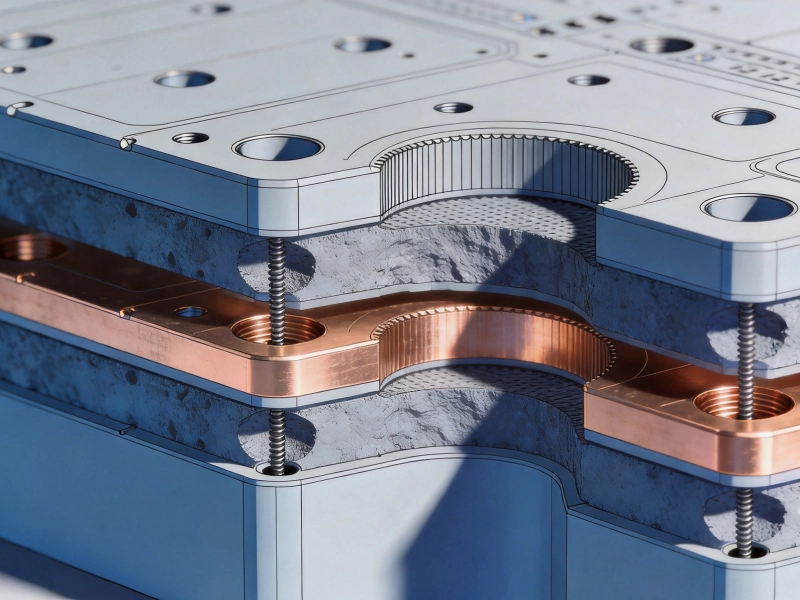
How to Specify Tolerances and Stack-ups for High-Precision Custom PCBsJuly/28/2026

Thermal Management Strategies for Dense Multilayer PCB DesignsJuly/31/2026
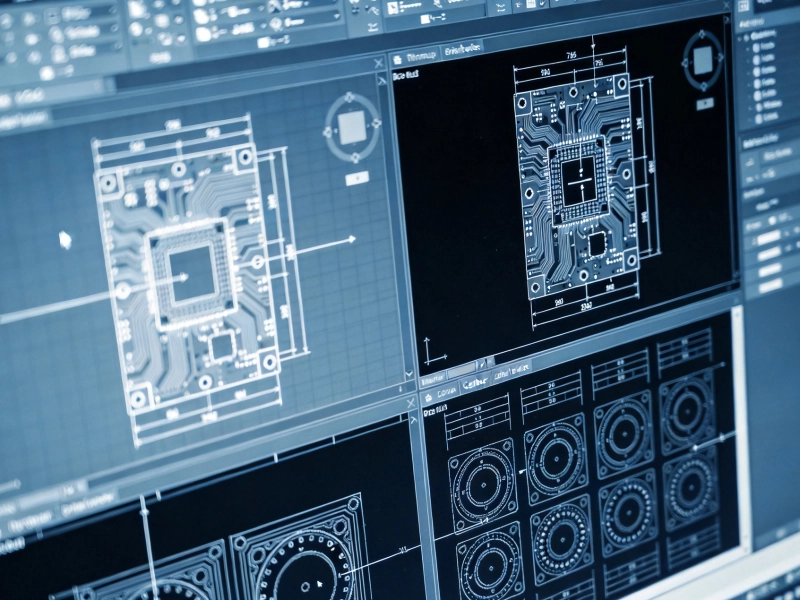
Best Practices for Preparing Files for Expedited PCB ManufacturingJuly/29/2026
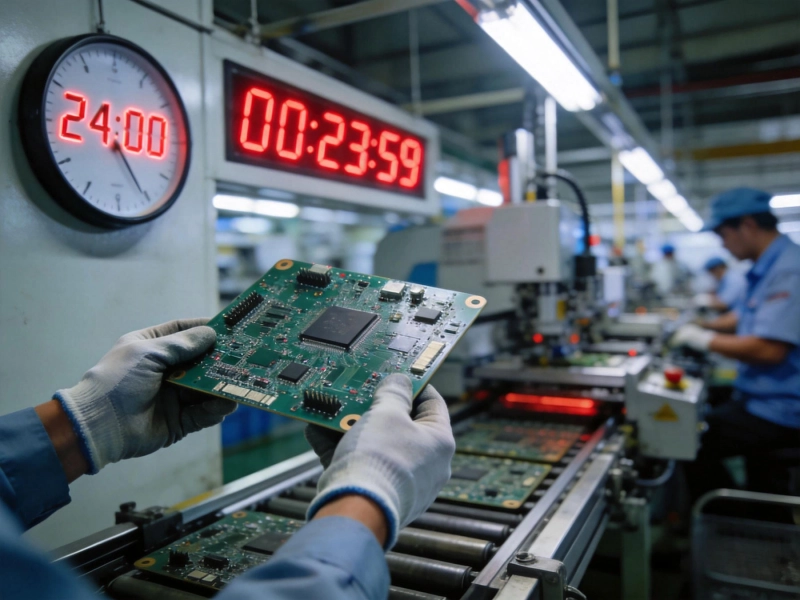
24-Hour Turnaround: Is it Possible and How Does it Work?May/21/2026
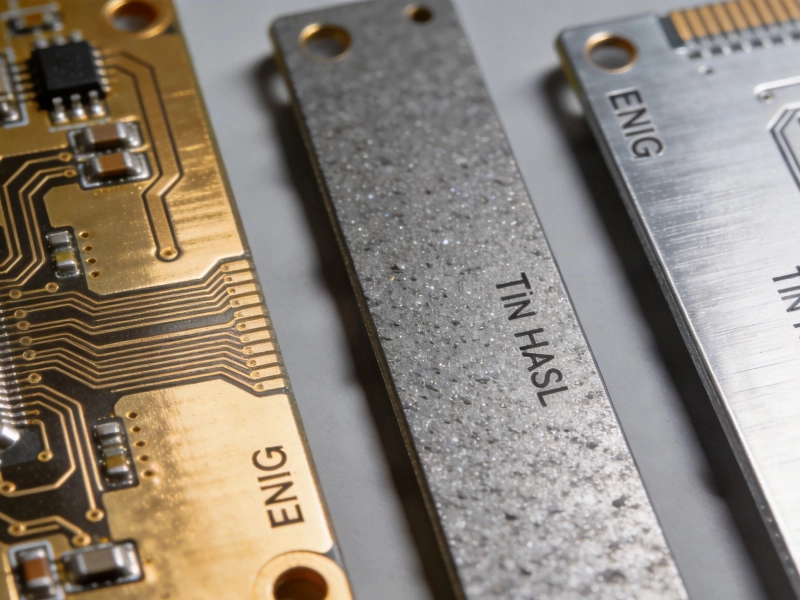
Custom Surface Finishes: Choosing Between ENIG, HASL, OSP, and Immersion SilverSeptember/14/2026
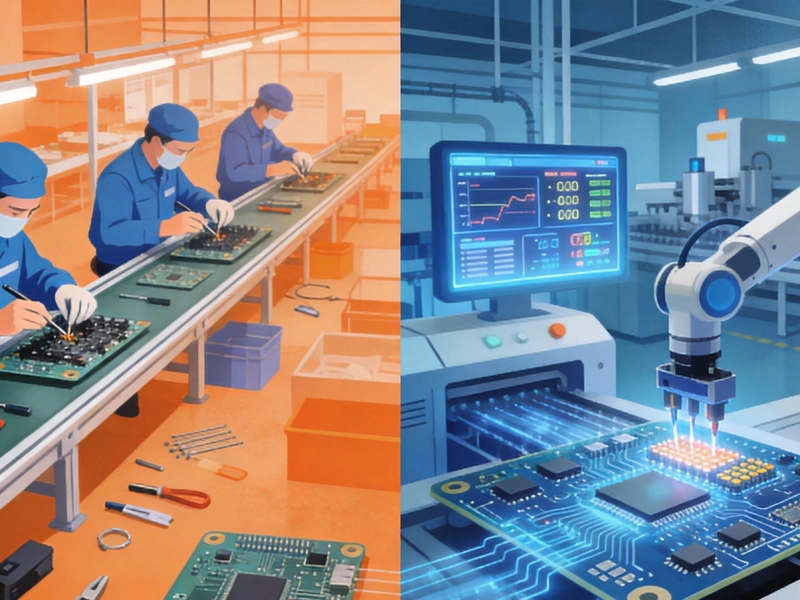
Comparing Traditional vs. Digital Quick Turn PCB ServicesJuly/18/2026
Questions to Ask Before Placing a Rush Order for PCB FabricationSeptember/15/2026