Open Nav

Sourcing Pcb Manufacturing services from Asia is a strategic decision that many companies make to access competitive pricing, scalable production capacity, and specialized technical expertise that may not be readily available in their home markets. The experience can be highly rewarding or frustratingly difficult, and the difference often comes down to understanding what you are entering into before you commit to a partnership. The communication norms, quality expectations, logistical realities, and business practices in Asian manufacturing environments differ in meaningful ways from those in North America or Europe, and companies that go in with realistic expectations tend to build relationships that serve them well for years, while those expecting their overseas manufacturer to operate exactly like a domestic supplier often find themselves disappointed.
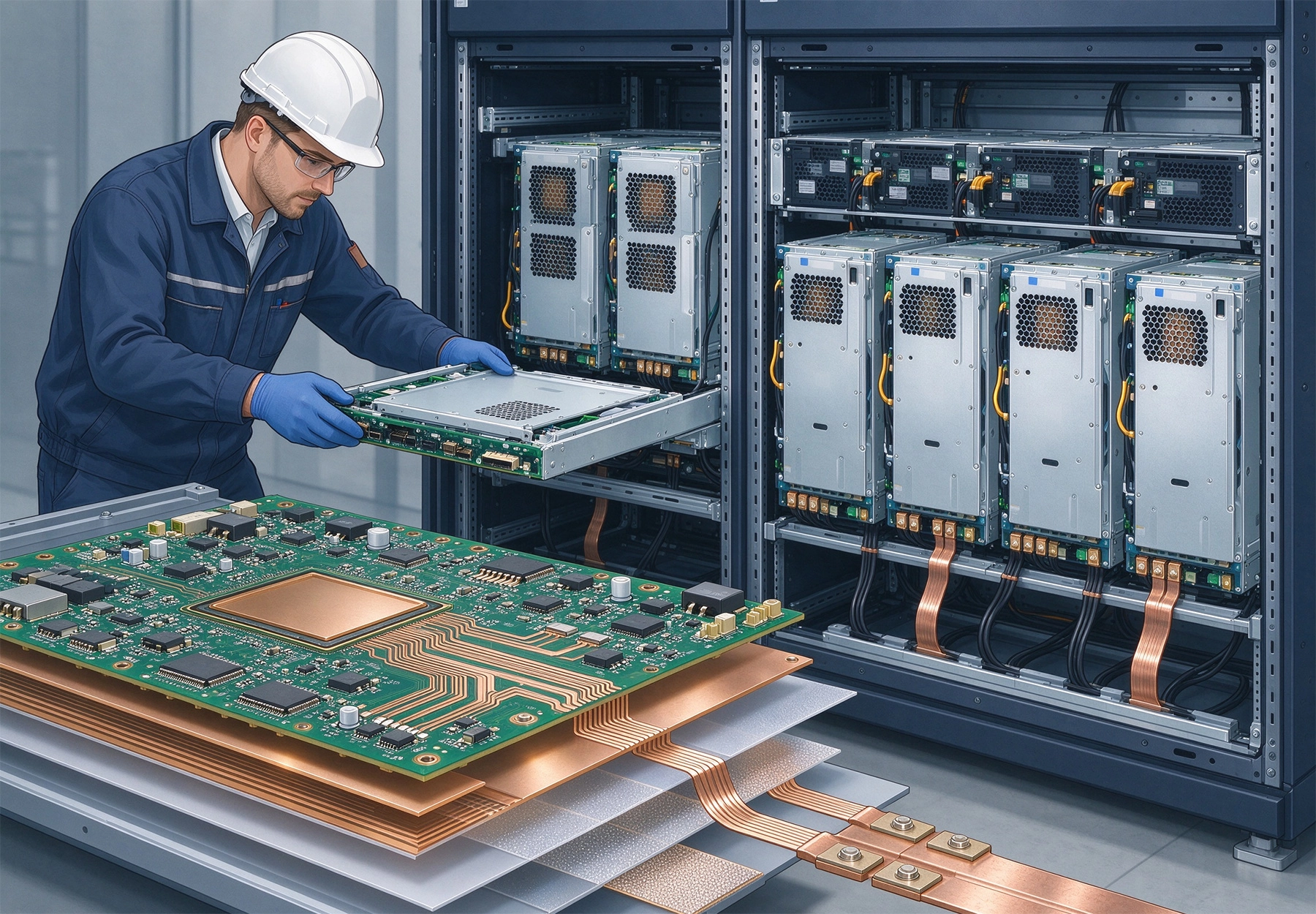
The fundamental difference between sourcing PCBs from Asia and working with a domestic manufacturer is proximity, or rather the lack of it. When your manufacturer is a short drive away, you can visit the fab, walk the production floor, meet the engineering team face to face, and resolve issues through in-person conversations that build relationships and catch problems early. With an Asian manufacturer, those interactions happen over video calls, through written communications, and with a time delay that requires you to plan ahead and communicate more deliberately. This is not a barrier to success, but it does require a different approach to project management and relationship building.
Asian manufacturers, particularly those in China, have built enormous capacity and accumulated deep expertise across a vast range of PCB technologies. Many facilities that serve international clients operate at scales that dwarf their Western counterparts, with production lines optimized for efficiency and cost reduction in ways that small domestic shops cannot match. This scale translates into competitive pricing, but it also means that your project is one among many, and your manufacturer may not prioritize your account the way a smaller domestic shop would. Understanding this dynamic and building strategies to maintain appropriate priority is one of the keys to a successful offshore sourcing relationship.
Lead times from Asian PCB manufacturers require more planning than domestic sourcing because the logistics chain adds significant time to the process. Standard production lead times in Asia typically range from two to three weeks for simple boards, with expedited options available for a premium when your timeline is compressed. However, these production lead times are only part of the picture. Shipping time from Asia to North America or Europe adds another one to three weeks depending on the freight mode chosen, and customs clearance at the destination port can introduce additional delays that are difficult to predict precisely.
The most reliable approach is to plan your procurement timeline around a total door-to-door period of five to eight weeks for standard orders, with longer lead times for complex boards with advanced specifications, tight tolerances, or special materials. Building this buffer into your Product Development schedule prevents the crises that arise when components arrive late and hold up the rest of your assembly process. Many companies that struggle with Asian sourcing do so not because of poor quality or bad communication but because they fail to account for the extended logistics timeline in their planning.
Expedited production and shipping options exist and can compress timelines significantly, but they come at a premium that partially offsets the cost advantages of Asian sourcing. Air freight, for example, can reduce shipping time to days rather than weeks but multiplies the logistics cost substantially. When you need to expedite, discuss the options with your manufacturer early so they can align their production scheduling with your shipping requirements.
The quality of Asian Pcb Manufacturing varies enormously across the industry, and the difference between a world-class manufacturer and a cut-rate operation is vast. Top-tier Asian manufacturers maintain certifications including ISO 9001, ISO 14001, Iatf 16949 for automotive applications, and UL listings for safety-critical boards. These certifications represent real operational discipline, and working with certified manufacturers substantially reduces the risk of quality problems. However, certification alone is not sufficient—regular verification through incoming inspection and testing remains essential regardless of your supplier's credentials.
International manufacturers who serve clients in regulated industries typically have well-established quality management systems with documentation practices that satisfy the requirements of ISO 9001, Ipc Standards, and industry-specific quality standards. They are accustomed to providing certificates of conformance, inspection reports, and other documentation that supports your own Quality Assurance requirements. When evaluating a prospective manufacturer, ask about their inspection protocols, defect detection methods, and the specific tests they perform on every board versus sampling protocols used for lot acceptance.
A Gerber file review process is standard among reputable manufacturers and represents an important early check on your design data. The manufacturer reviews your files for manufacturing issues—annular ring violations, Silkscreen clearance problems, drill registration errors—and flags anything that could cause problems during production. This review protects both parties and catches design issues before fabrication begins, which is far less expensive than discovering them on the production floor or in your incoming inspection.
Communication with an Asian manufacturer requires more structure and intentionality than communication with a domestic supplier. The time zone difference—typically twelve hours ahead of US Eastern time—means that real-time conversation is impractical for day-to-day communication. Email becomes the primary channel, along with messaging platforms for urgent issues, and this shift has implications for how quickly you can resolve problems and how carefully you need to articulate your requirements in writing.
Expect response times to range from a few hours to the next business day for standard email inquiries. Manufacturers who employ dedicated English-speaking account managers or project engineers provide the smoothest communication experience, and this is one of the most valuable features to look for when selecting a manufacturer. Without clear, capable English communication, the risk of misunderstandings that lead to production errors increases substantially.
The most effective communication strategy is to establish clear documentation of requirements upfront and document any changes or clarifications that arise during production in writing. This creates a record that protects both parties and reduces the risk of disputes over what was agreed to or what specifications were in effect at a particular point in time. Weekly status updates and regular progress photos or videos from the production floor help maintain visibility and catch issues before a batch is complete.
Pricing from Asian manufacturers operates on a different model than domestic pricing, with economies of scale playing a much larger role. Most manufacturers establish pricing tiers based on order quantity, with per-unit costs declining as order size increases. Understanding how pricing tiers work and planning your orders accordingly can significantly impact your total procurement cost. If your application requires only a small quantity of boards, you may find that the unit price is higher than you expected or that the manufacturer requires a minimum order quantity that exceeds your immediate needs.
Setup fees are common for specialized processes, tooling, or configurations that require non-standard preparation. These fees are amortized across the production run, which is why larger orders typically achieve better per-unit pricing. When evaluating quotes, make sure you understand what is included in the quoted price and what additional fees might apply for expedited service, special testing, documentation, or packaging requirements.
Currency fluctuations and payment terms deserve attention as well. Most Asian manufacturers quote in US dollars but may adjust pricing based on exchange rate movements, particularly for long-term agreements or large orders. Payment terms typically require a deposit upfront with the balance due before shipment, and international wire transfer fees can add meaningful cost on smaller orders. Understanding the total cost of procurement, including logistics, customs duties, and payment processing, gives you a realistic picture of what your boards will actually cost landed at your facility.
The logistics chain between an Asian manufacturer and your facility involves multiple handoffs, each of which introduces potential for delay or damage. Standard sea freight is the most economical option for large orders and is typically chosen when delivery time is not a critical constraint. Air freight offers speed at a premium cost, while courier services like DHL, FedEx, and UPS provide a middle ground for smaller shipments with reasonable transit times.
Customs clearance is a step that surprises many companies new to International Sourcing. Your shipment will be subject to customs inspection and may be held while duties are assessed and paid. The classification of your PCBs under the Harmonized Tariff Schedule determines the duty rate, and misclassification can lead to delays, penalties, or unexpected costs. If you are importing into the United States, working with a customs broker who understands the relevant tariff codes will smooth this process considerably.
Damage during shipping is an unfortunate but real possibility that requires attention to packaging specifications and insurance coverage. Your manufacturer should package boards appropriately for the shipping method chosen, with anti-static packaging and adequate cushioning for the freight mode. We recommend inspecting all shipments thoroughly upon arrival and documenting any damage with photographs before signing for the delivery, as this documentation is essential for any claim against the carrier or manufacturer.
The companies that get the most value from Asian Pcb Sourcing relationships are those that invest in building genuine partnerships rather than treating the manufacturer as a transactional vendor. This investment takes the form of clear and early communication, fair and timely payment practices, and a willingness to provide feedback that helps the manufacturer serve you better over time. Manufacturers who see you as a valued long-term client are more likely to prioritize your orders, accommodate special requests, and alert you to potential issues before they become problems.
Regular business reviews—whether quarterly or semi-annually—help maintain alignment on expectations, discuss performance, and identify opportunities for improvement. These reviews are more practical with manufacturers who have dedicated account management, and they become the foundation for continuous improvement initiatives that benefit both parties.
When issues arise, and they will, approach them with a problem-solving mindset rather than an adversarial one. Most manufacturers genuinely want to resolve quality problems and prevent their recurrence, particularly when they value the relationship. A collaborative approach to problem resolution builds trust and typically achieves better outcomes than aggressive demands or threats. Reserve your strongest language for persistent or serious problems, and recognize that the manufacturer who works with you to solve a difficult issue has demonstrated the kind of commitment that warrants a long-term relationship.
How do we verify that an Asian Pcb Manufacturer maintains the quality standards they claim?
Request copies of their certifications, ask about their quality management processes, and consider commissioning a third-party inspection of their facility before placing your first order. During production, require certificates of conformance and inspection reports with each shipment.
What is a typical minimum order quantity for Asian PCB manufacturers?
MOQs vary by manufacturer and board complexity. Many offer no-MOQ or low-MOQ options for standard specifications at higher unit pricing, while lower pricing requires larger orders that amortize setup costs across more units. Discuss your specific quantity needs with the manufacturer to find the most cost-effective arrangement.
How do we handle quality disputes with a manufacturer overseas?
Document the issue thoroughly with photographs and test data, communicate the problem in writing with your expectations for resolution, and work collaboratively toward a solution. For persistent or serious issues, reference your purchase agreement terms and consider engaging a third-party inspection service to provide an independent assessment.
Is it possible to get small Prototype runs from Asian manufacturers?
Yes, many manufacturers offer Prototype or small-batch services, though per-unit costs are higher than volume pricing. This is useful for design validation before committing to larger production orders.
What payment methods are typically accepted by Asian PCB manufacturers?
Most manufacturers accept bank wire transfer, PayPal for small orders, and some accept letters of credit for larger orders. Establish payment terms before placing your first order and factor transaction fees into your total cost calculation.
Contact us to discuss your requirements and learn how our experience in managing Asian PCB manufacturing partnerships can support your sourcing strategy.

Inventory Management and Kitting: Streamlining Your Supply Chain with PCB ServicesJuly/15/2026

Building Long-Term Partnerships: What to Look for in a Service-Oriented PCB VendorOctober/10/2026
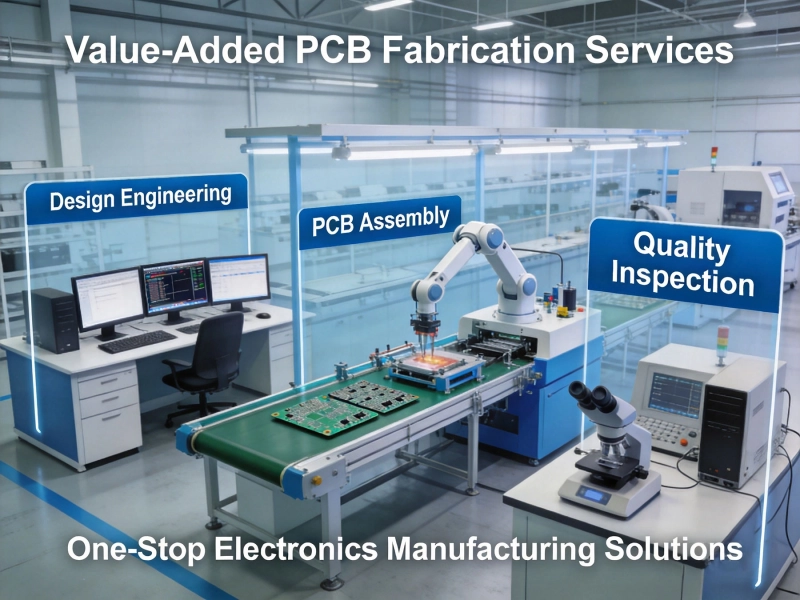
Value-Added PCB Fabrication Services: Beyond Just Making the BoardJune/12/2026

Customer Support in PCB Manufacturing: Why Communication is KeyAugust/06/2026

Intellectual Property Protection: Safeguarding Your Designs When Using External ServicesSeptember/21/2026

The Role of CAM Engineering in Preventing Manufacturing ErrorsJuly/03/2026

Engineering Support: How Good Service Providers Help Optimize Your DesignJuly/02/2026

Conformal Coating and Box Build: Extending the Scope of PCB ServicesSeptember/10/2026