Open Nav

Ordering PCBs from Chinese manufacturers offers compelling cost advantages, but realistic lead time expectations are essential for effective project planning. Engineers and procurement professionals who misunderstand production schedules risk derailing Product Development timelines or creating costly production delays. Understanding what drives lead times—and how different factors affect delivery schedules—enables accurate planning and successful project execution.
Chinese PCB manufacturers have dramatically improved production capabilities and delivery reliability over the past two decades. Modern facilities feature advanced equipment, streamlined processes, and quality systems meeting international standards. However, geographic distance, logistics complexity, and production dynamics create lead time considerations different from domestic sourcing. Managing these factors effectively separates successful offshore sourcing from frustrating experiences.
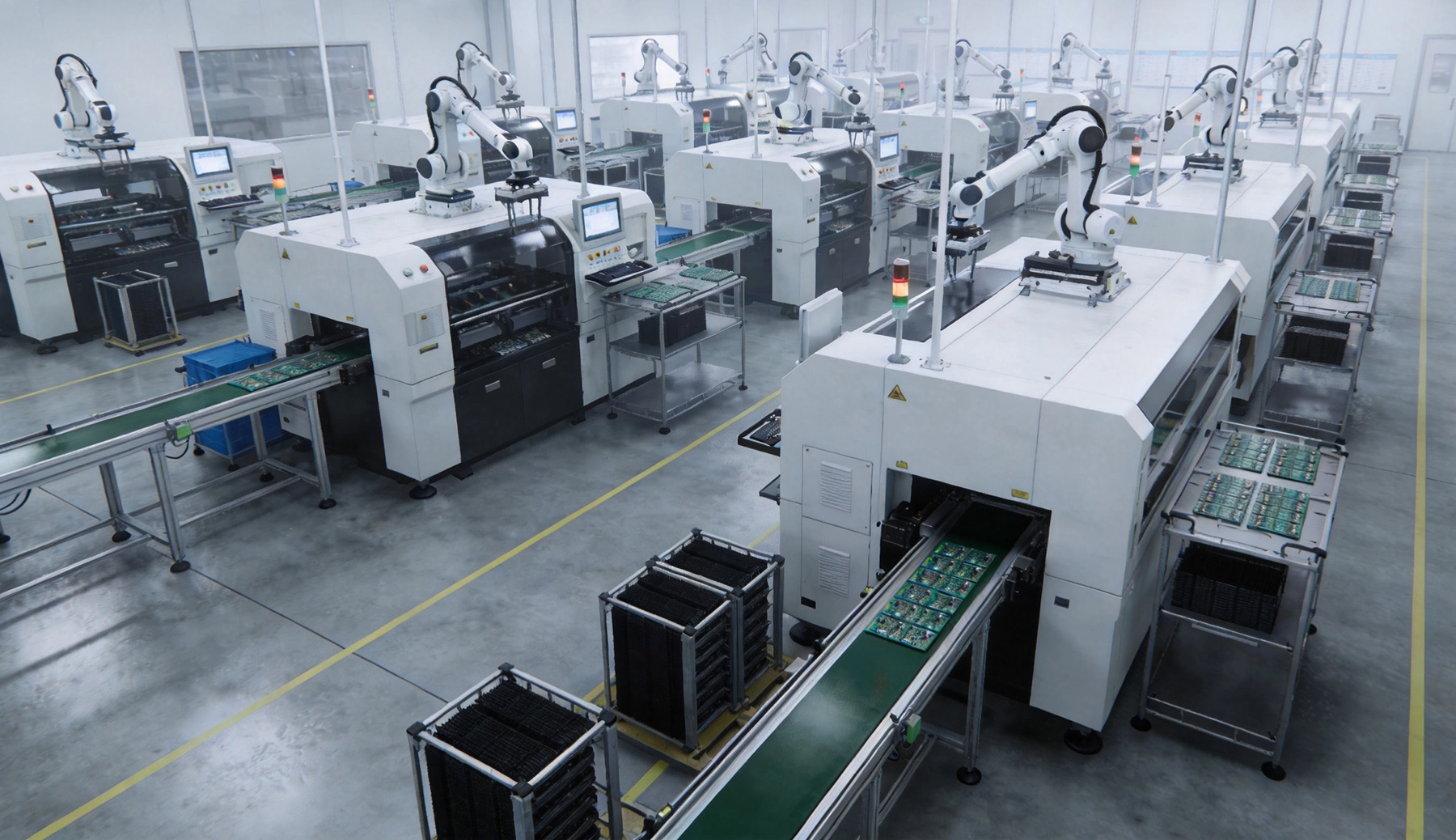
Understanding typical lead times provides baseline expectations for project planning. However, these ranges vary significantly based on order complexity, manufacturer capabilities, and current production loading.
For standard 2-4 layer PCB prototypes, Chinese fabricators typically quote 24-72 hour production time for quick-turn service, or 5-7 working days for standard processing. These lead times assume straightforward specifications without unusual materials or processing requirements. Prototype orders usually ship via express courier, adding 3-5 days for delivery depending on destination.
Total elapsed time from order submission to delivery at your facility typically runs 5-10 days for standard Prototype orders, or 4-6 days for expedited processing. This timeline accounts for order processing, manufacturing, quality inspection, packaging, and international shipping. Rush services can compress manufacturing time but rarely eliminate transit duration.
Volume production orders require additional time beyond prototype schedules. Standard production volumes typically need 7-14 working days for fabrication, depending on layer count, complexity, and order size. Very large orders may require extended time to sequence through production efficiently. Volume orders often ship via air freight or sea freight, adding 5-15 days to delivery depending on method and destination.
For time-critical volume orders, manufacturers can expedite production at additional cost. Expedited production typically reduces fabrication time by 30-50%, though capacity constraints may limit availability during peak demand periods. Advance planning and early order placement provide protection against schedule risk when expedited service isn't available.
Pcb Assembly adds substantial time to production schedules. Simple assembly with readily-available components might require 3-5 days beyond bare board fabrication. Complex assembly with numerous component types, BGA devices, or tight schedules can extend assembly time to 7-14 days. Component sourcing often represents the largest schedule uncertainty—lead times for specific components may exceed board fabrication time significantly.
Turnkey assembly services that include Component Procurement require additional planning time. Manufacturers must source components, verify specifications, and manage incoming inspection before assembly can begin. Consignment assembly—where customers supply components—shifts procurement timing responsibility but requires careful coordination to avoid delaying production.
Multiple variables influence actual production schedules beyond standard processing times.
Complex board specifications extend production time through additional processing steps, tighter tolerance requirements, and increased quality verification needs. High-layer-count boards require more lamination cycles and processing time. HDI designs with Microvias need specialized drilling and plating operations. Impedance-controlled designs require additional testing and potential process adjustment.
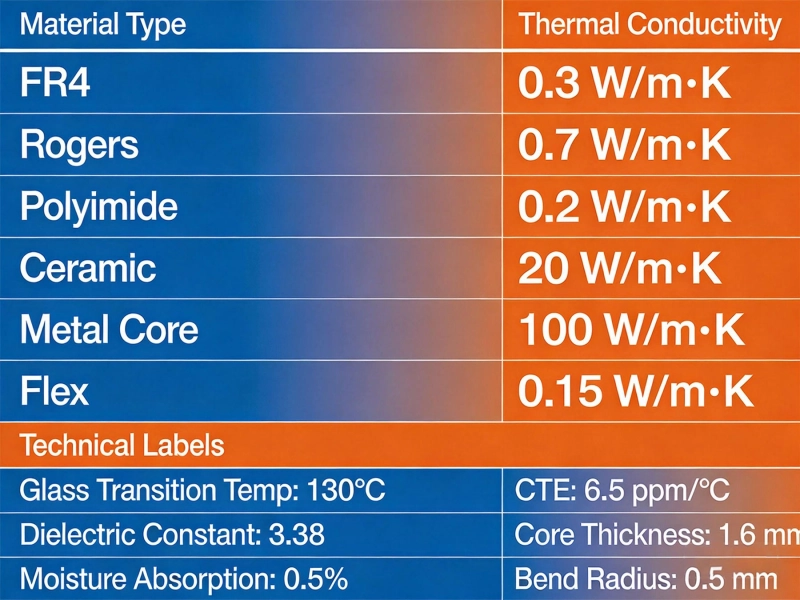
Material specifications significantly impact lead times. Standard FR4 materials are readily available in manufacturer inventory. Specialty materials—high-frequency laminates, metal core substrates, or specific material brands—may require procurement time extending production schedules. Specifying material alternatives or allowing manufacturer material substitution can reduce lead times when specific material choices aren't critical to performance.
Production queue position affects actual manufacturing start time. During peak demand periods, orders may wait in queue before production begins. Small prototype orders often receive priority scheduling to maintain quick-turn capability. Large volume orders may require coordination across multiple production shifts or days to complete efficiently.
Seasonal demand patterns create predictable lead time variations. Chinese New Year shutdown typically creates 2-3 week production gaps in late January or February. End-of-quarter rushes as customers accelerate orders to meet financial period deadlines can extend queue times. Understanding these patterns enables proactive planning to avoid peak congestion periods.
Design problems discovered during manufacturing preparation can extend lead times significantly. Missing specifications requiring clarification, design features violating manufacturing capability limits, and files requiring format conversion all add processing time. In extreme cases, designs requiring revision must return to customers for modification before production can proceed.
Design For Manufacturing review during quotation identifies potential issues early, enabling resolution before production scheduling. Experienced manufacturers provide Dfm feedback proactively, allowing customers to adjust designs or confirm intended specifications. This collaborative approach prevents production delays that occur when issues surface during manufacturing preparation.
International shipping represents a substantial component of total delivery time and requires careful planning.
Express courier service—DHL, FedEx, UPS—provides fastest delivery, typically 3-5 days to most global destinations. This method suits prototype orders and urgent production shipments. Cost per unit weight is highest, making Express Shipping most economical for smaller shipments.
Air freight offers intermediate timing and cost, usually 5-7 days for delivery. This method suits larger orders where Express Shipping cost becomes prohibitive but schedule requirements prevent sea freight delays. Air freight requires additional coordination for customs clearance compared to courier service.
Sea freight provides lowest cost per unit but longest transit times—typically 15-30 days depending on origin port and destination. Sea freight suits large volume orders where schedule flexibility allows extended transit time. Planning must account for customs clearance and inland transportation beyond port arrival.
International shipments must clear customs before delivery to your facility. Customs processing time varies by country, product type, and shipment value. In most cases, properly documented PCB shipments clear customs within 1-3 days. However, inspection holds, documentation problems, or regulatory issues can extend clearance time unpredictably.
Proper documentation—commercial invoices with accurate descriptions, harmonized tariff codes, and declared values—facilitates smooth customs processing. Manufacturers experienced with international shipping provide documentation that minimizes clearance delays. Customers should verify import requirements and ensure manufacturer documentation meets specific needs.
Peak shipping periods—pre-holiday rushes, end-of-quarter peaks—create logistics congestion extending delivery times beyond normal schedules. Air cargo capacity fills quickly during peak periods, sometimes forcing shipments to lower-priority routing or delayed departure. Planning orders to avoid peak shipping periods provides schedule protection when possible.
Chinese New Year presents particular logistics challenges. Manufacturing shutdown combines with pre-holiday shipping surge to create intense logistics pressure. Orders placed in January for February delivery often encounter extended lead times or unavailable expedited service. Planning production needs around this annual disruption prevents unwelcome schedule surprises.
Clear communication with manufacturers about schedule requirements enables appropriate production planning.
Communicate actual schedule needs rather than artificially compressed expectations. Manufacturers need realistic requirements to plan production appropriately. If a project genuinely needs expedited processing, manufacturers can allocate resources accordingly—at additional cost. If schedule requirements are flexible, communicating this enables manufacturers to optimize production scheduling.
Distinguish between target dates and absolute deadlines. Target dates enable planning but allow flexibility. Absolute deadlines represent commitments that cannot be missed. Manufacturers who understand which orders have firm deadlines versus flexible requirements can prioritize appropriately during production scheduling.
Clarify what manufacturer lead time commitments actually include. Does quoted lead time cover manufacturing only, or include order processing time? Does commitment extend to shipping departure or delivery arrival? Understanding these distinctions prevents misaligned expectations about when orders will arrive.
Ask about current production loading and queue times. Manufacturer lead time quotes often assume standard production conditions. During busy periods, actual queue times may extend beyond standard schedules. Manufacturers who communicate current conditions enable accurate planning rather than unwelcome schedule surprises.
Establish expectations for production status updates before placing orders. Regular status communication enables schedule adjustment if production issues arise. Manufacturers should communicate promptly when problems affect schedules—concealing delays until delivery deadlines approach prevents effective customer response.
Tracking information should be provided promptly when orders ship. For time-critical orders, request tracking numbers and monitor shipment progress. Early identification of shipping delays enables alternative arrangements if transit problems emerge. Most manufacturers provide tracking automatically; those who don't should be asked to do so.
Proactive planning strategies reduce schedule risk and ensure reliable project execution.
Include realistic buffer time in project schedules to absorb normal production and shipping variability. Manufacturing can encounter unexpected issues. Shipping can experience delays. Customs processing can extend unexpectedly. Buffer time—typically 25-50% beyond quoted lead times—provides protection against these normal variations without creating schedule stress.
For critical project milestones, increase buffer time proportionally with milestone importance. Early project stages may tolerate tighter scheduling than final production deliveries. Critical demonstration dates or launch commitments warrant additional schedule protection against any foreseeable delay scenario.
Place orders as early as project schedules allow rather than waiting until last responsible moment. Early orders provide queue position advantage during busy periods. They enable manufacturers to plan production efficiently. They create schedule margin for addressing unexpected issues without missing deadlines.
Work backward from actual need dates to establish order placement timing. Calculate required delivery date, add buffer for transit and processing variability, establish latest acceptable ship date, and place orders allowing time for production before that ship date. This disciplined approach prevents urgent situations where expedited service is needed but unavailable.
Develop relationships with multiple manufacturers to provide schedule alternatives when primary suppliers encounter constraints. Manufacturers with different geographic locations may have different production loading. Alternative suppliers can provide schedule relief during peak demand periods. Having backup options prevents project delays when primary manufacturers cannot meet urgent requirements.
Qualify alternative manufacturers with pilot orders before urgent need arises. Emergency qualification during schedule crisis creates unacceptable risk. Understanding alternative manufacturers' capabilities, quality, and typical lead times through regular business provides confidence when switching becomes necessary.
Understanding lead times when ordering from Chinese PCB mills requires realistic expectations about production durations, shipping timelines, and factors that affect both. Standard fabrication lead times of 5-10 days for prototypes and 7-14 days for volume orders represent typical baselines, but technical complexity, production loading, and logistics factors can extend actual delivery schedules significantly.
Effective planning accounts for manufacturing time, transit duration, customs processing, and buffer for normal variability. Clear communication with manufacturers about schedule requirements enables appropriate production planning. Proactive strategies—early order placement, realistic buffer time, alternative supplier relationships—reduce schedule risk and ensure reliable project execution.
Chinese PCB manufacturers offer compelling value propositions, but successful sourcing requires realistic understanding of time requirements. Engineers and procurement professionals who plan effectively around actual lead times—not optimistic assumptions—consistently achieve project success while minimizing schedule stress.
Standard prototype PCB Fabrication typically requires 5-7 working days, with quick-turn options available at 24-72 hours for simpler designs. Adding international shipping time of 3-5 days, total delivery typically ranges 5-10 days from order placement. Expedited manufacturing combined with express shipping can reduce total time to 4-6 days for urgent needs.
Chinese New Year creates a manufacturing shutdown of 2-3 weeks, typically occurring in late January or February. Pre-holiday order surges extend production queue times, and post-holiday production ramp-up creates additional delays. Orders requiring February delivery should be placed by early January to avoid holiday-related delays.
Express courier suits prototype orders and urgent shipments requiring 3-5 day delivery. Air freight provides intermediate cost and timing for larger orders where 5-7 day transit is acceptable. Sea freight offers lowest cost for large volume orders with 15-30 day transit time flexibility. Match shipping method to order urgency and volume economics.
Include 25-50% buffer beyond quoted lead times for standard orders. For critical milestones or complex orders, increase buffer to 50-75%. This buffer accounts for normal production variability, shipping delays, and customs processing time. Buffer requirements decrease with manufacturer familiarity and consistent production experience.
Common causes include production queue congestion during peak demand periods, design issues requiring clarification, specialty material procurement delays, and shipping or customs delays during peak logistics periods. Technical complexity—high layer counts, tight tolerances, unusual materials—also extends production time beyond standard processing schedules.
Exploring Special Materials in Custom PCB FabricationMay/21/2026

The Rise of Smart Factories: How Automation is Revolutionizing China's PCB SectorJune/16/2026

Overcoming Language and Cultural Barriers in Chinese PCB SourcingJuly/07/2026

Common Pitfalls in Custom PCB Fabrication and How to Avoid ThemAugust/07/2026

A Complete Guide to Importing Custom PCBs from China for US and EU StartupsJuly/16/2026

Rigid-Flex and Flexible PCBs: Unlocking New Possibilities with Custom DesignsJuly/17/2026

Environmental Standards in China: How PCB Factories are Going GreenSeptember/11/2026

From Prototype to Mass Production: Scaling Your Custom PCB Project SeamlesslyJuly/07/2026