Open Nav

Walk through any Electronics Manufacturing hub in Shenzhen, and one thing becomes immediately obvious: the sheer scale of Pcb Production happening in this part of the world is staggering. Rows of automated production lines, shipping containers stacked high with finished boards, and engineering teams working around the clock to meet demanding timelines. This isn't just about cheap labor—it's about a complete ecosystem that has evolved over decades to become the backbone of global Electronics Manufacturing.
If you're sourcing PCBs for your company, you've probably already considered Chinese fabrication or are actively using it. But understanding why China dominates this industry helps you make better sourcing decisions and get more value from your Supply Chain relationships.
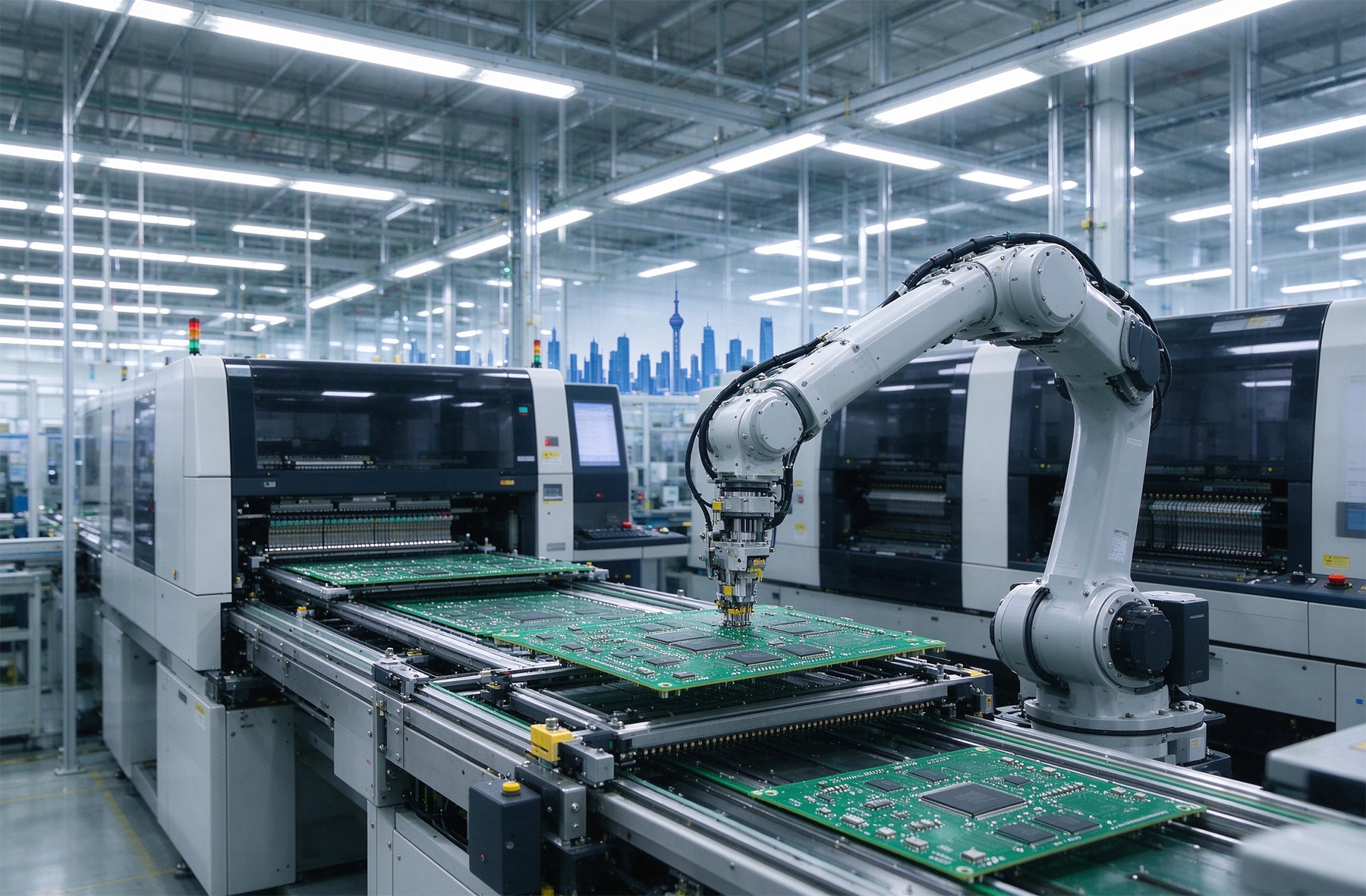
What makes Chinese PCB Fabrication so competitive isn't any single factor—it's the entire ecosystem that has developed around electronics manufacturing. In the Pearl River Delta region alone, you have component suppliers, raw material distributors, testing facilities, and logistics companies all operating within a few hours of each other. This concentration creates efficiencies that simply don't exist elsewhere.
When a Pcb Manufacturer in Shenzhen needs a specialized material or a rare component, they can source it locally within days. When a problem arises during production, the supplier is down the street, not across an ocean. This proximity dramatically reduces lead times and allows for rapid iteration when issues come up.
The ecosystem also includes a deep talent pool of engineers, technicians, and managers who understand Pcb Manufacturing from the ground up. Many of these people have spent their entire careers in the industry, accumulating knowledge that's hard to replicate in regions where PCB Fabrication is a smaller part of the economy.
Chinese PCB manufacturers operate at scales that are hard to match in other regions. A single large facility might run dozens of production lines, with each line optimized for specific types of boards. This scale translates directly into cost advantages that benefit customers worldwide.
Raw material purchasing power is one example. Because Chinese manufacturers buy copper, substrate materials, and chemicals in enormous volumes, they negotiate prices that smaller Western manufacturers simply cannot achieve. These savings get passed on to customers without necessarily sacrificing quality.
Equipment utilization rates also favor large-scale operations. A production line that runs at 80% capacity will have much lower per-unit costs than one running at 50% capacity. Chinese facilities serving global markets can maintain high utilization rates because they have access to orders from companies all over the world, smoothing out the demand fluctuations that plague smaller operations.
Labor costs in China have risen significantly over the past two decades, and it's true that they are no longer the dramatic bargain they once were. However, Pcb Manufacturing is highly automated, which means labor costs are a smaller portion of total production cost than many people assume. The cost advantages from Chinese fabrication now come more from infrastructure, Supply Chain integration, and manufacturing experience than from low wages alone.
There's a perception that Chinese Pcb Fabrication is somehow behind the curve technologically. That hasn't been true for many years, at least not for the leading manufacturers. The most capable Chinese PCB factories invest heavily in state-of-the-art equipment and processes that rival or exceed what you'll find anywhere else in the world.
High-density Interconnect (HDI) boards, flexible circuits, rigid-flex combinations, and heavy copper designs—all of these are routine capabilities for major Chinese manufacturers. Many facilities have advanced Laser Drilling equipment, precision imaging systems, and automated optical inspection that would be the pride of any fabrication house anywhere.
Some Chinese manufacturers have even pioneered new manufacturing techniques that others have later adopted. The continuous improvement culture in well-managed facilities means capabilities keep advancing while costs keep declining.
For specialized applications, Chinese fabrication has expanded well beyond simple rigid boards. You can source just about any PCB type from Chinese manufacturers:
The breadth of capability means you can consolidate your Pcb Sourcing with one or two Chinese partners rather than maintaining relationships with multiple regional suppliers.
Major Chinese PCB manufacturers take quality seriously—perhaps more seriously than their reputation might suggest. The export-focused facilities have invested heavily in quality management systems and certifications that international customers require.
ISO 9001 certification is nearly universal among serious exporters. Beyond that, you'll find facilities with Iatf 16949 for automotive applications, Iso 13485 for medical devices, and AS9100 for aerospace. These certifications require documented processes, rigorous testing, and continuous improvement that translate into reliable products.
Many Chinese manufacturers also maintain UL listings for their boards, which means the boards themselves have been tested and certified for safety and performance. This is particularly important for products that need regulatory approval in target markets.
Quality goes beyond certifications to the actual practices in place. Leading Chinese manufacturers maintain complete traceability from raw materials through finished boards. If a problem emerges in the field, you can trace it back through the production records to understand what happened and prevent recurrence.
Documentation practices have also improved dramatically. Many facilities can provide comprehensive manufacturing data packages including test reports, inspection records, and certificate of conformance documents. This documentation is essential for regulated industries where you need to demonstrate due diligence in your supply chain.
The reliability of Chinese PCB supply chains has matured significantly over the years. Early concerns about communication difficulties, Intellectual Property Protection, and delivery consistency have been largely addressed by serious manufacturers who understand the global market.
Most major Chinese PCB manufacturers serving international customers have dedicated English-speaking sales and engineering teams. These people understand the technical requirements you submit and can translate them into manufacturing instructions. Time zone differences can be challenging, but most facilities have adjusted their hours to overlap with Western business hours for critical communications.
Online portals for order tracking, documentation access, and communication have become standard. You don't have to chase down information—it's available when you need it through well-designed web interfaces.
IP concerns persist in the broader discussion about manufacturing in China, but the situation has improved considerably for Pcb Fabrication specifically. Reputable manufacturers understand that their business depends on customer trust, and they protect customer designs accordingly. Many have never-quote clauses in their contracts and strict internal policies about design confidentiality.
For highly sensitive applications, some customers work with manufacturers who have dedicated secure facilities or use additional protections like split designs where different factories produce different layers. These approaches add cost and complexity but may be worthwhile for particularly sensitive applications.
One of the most compelling advantages of Chinese PCB fabrication is the speed at which you can get boards. While ocean shipping adds transit time, the actual production time is often faster than Western alternatives because Chinese facilities have the capacity to prioritize urgent orders.
Express services from major manufacturers can deliver standard boards within days rather than weeks. For Prototype quantities, this speed is invaluable when you're iterating on a new design and need boards to test yesterday. Even for production volumes, the production-side speed means you can run shorter runs more frequently, reducing inventory requirements.
Despite the scale of Chinese Manufacturing, many facilities have become quite flexible with order quantities. You can often get Prototype quantities of five or ten boards without excessive setup charges. This flexibility supports iterative development approaches where you want to build and test small quantities before committing to larger production runs.
Working with Chinese PCB fabricators isn't without its challenges. Being aware of these helps you plan accordingly and select partners who make the relationship work smoothly.
Ocean freight takes time—typically two to six weeks depending on the shipping route and customs clearance. You need to plan your inventory accordingly and account for this lead time in your Product Development schedule. Air freight is available for urgent needs but adds significant cost.
Tariffs and trade policies are another consideration. Import duties on PCBs vary by country and product classification. Staying informed about current trade policies helps you avoid surprises in your landed costs.
Doing business across cultural and geographic boundaries requires adjustment from both sides. Chinese business culture has its own conventions around relationship building, directness in communication, and problem resolution. Building a good working relationship with your manufacturer takes time but pays dividends in smoother collaboration.
Patience is important. The initial onboarding process with a new manufacturer might take longer than expected as you work through specifications, samples, and relationship building. Once established, the relationship typically becomes quite productive.
Not all Chinese PCB manufacturers are equal, and choosing the right partner matters enormously. Here are the factors worth considering seriously when evaluating options.
Different manufacturers specialize in different types of boards. One facility might excel at fine-pitch HDI work while another is the go-to for heavy copper Power Electronics. Identify manufacturers whose core competencies match your product requirements rather than trying to work with a generalist who might be adequate but not excellent for your specific needs.
Reputable manufacturers can provide references from other customers in your industry. Follow up on these references to understand the actual experience of working with the facility. Online reviews and industry reputation also provide useful signals about what to expect.
The quality of Engineering Support varies widely. Some facilities will catch potential problems in your design before manufacturing and suggest improvements. Others will build exactly what you specify even if it's problematic. Good Engineering Support is invaluable—it prevents expensive mistakes and often results in a better product than you originally designed.
Manufacturing involves significant working capital. A manufacturer who can't pay their suppliers might have trouble maintaining material quality or staying in business. Some basic due diligence on the financial health of potential partners helps you avoid disruptions from supplier failures.
When evaluating Chinese PCB fabrication, look beyond the unit price to the total cost of ownership. This perspective often reveals that the apparent cost advantage is even larger than it seems at first glance.
Consider the engineering support you receive—good support reduces redesigns and speeds time to market. Consider the quality levels you achieve—lower defect rates mean less rework and fewer field failures. Consider the inventory carrying cost savings from reliable deliveries that let you keep less safety stock.
When you add up all these factors, the total cost advantage of Chinese fabrication is often significantly larger than the unit price difference alone. This is why so many companies, from startups to major corporations, have consolidated their Pcb Sourcing with Chinese partners.
The position of Chinese PCB fabrication in the global supply chain continues to evolve. Rising labor costs, environmental regulations, and geopolitical factors all create pressure on the traditional model. However, the fundamental advantages of the ecosystem, scale, and accumulated expertise are not easily replicated elsewhere.
What we're likely to see is continued consolidation among Chinese manufacturers, with the strongest players getting stronger while less competitive facilities exit the market. This consolidation could actually benefit customers by raising average quality levels and improving stability.
Automation continues to advance, which helps Chinese manufacturers stay competitive even as labor costs rise. The most sophisticated facilities are increasingly automated, reducing the labor cost component and emphasizing the ecosystem advantages that are harder to replicate.
Chinese PCB fabrication dominates Global Electronics Manufacturing for good reasons that go beyond simple cost. The ecosystem of suppliers, the scale of operations, the accumulated expertise, and the continuous improvement culture all contribute to a compelling value proposition.
Quality concerns from years past have been largely addressed by leading manufacturers who invest in certifications, quality systems, and customer support. For most applications, you can find Chinese partners who meet or exceed the quality you would get from regional sources.
Selecting the right manufacturer matters. Look for facilities with relevant core competencies, strong engineering support, and a track record with customers like yourself. The right partnership delivers value that goes far beyond the unit price.
Plan for the logistics realities of International Sourcing. The lead time from order to delivery includes both production time and ocean freight. Building this into your planning prevents the disruptions that catch some first-time international sourcers off guard.
Contact us to discuss your PCB fabrication requirements and explore how we can support your manufacturing needs.
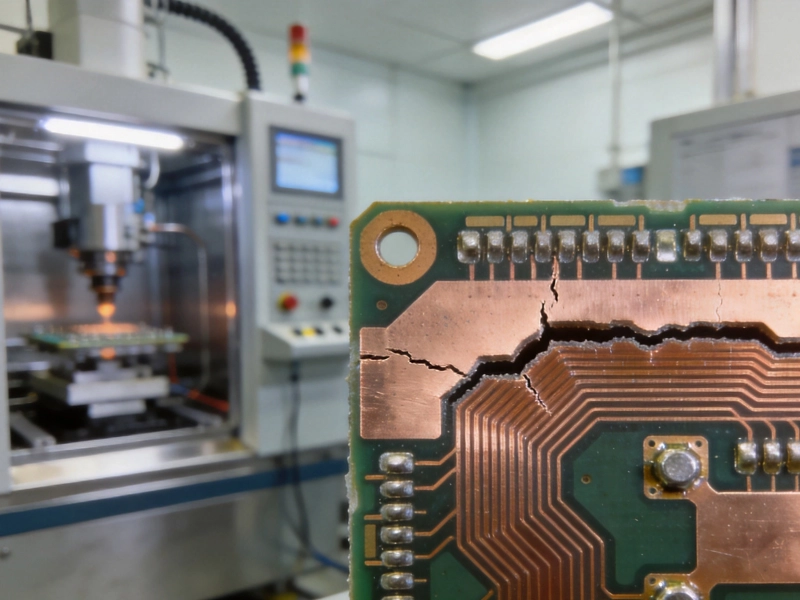
Reliability Testing for Complex HDI Boards: Ensuring Long-Term PerformanceSeptember/30/2026

The Chemistry of PCB Cleaning: Why Ionic Contamination MattersSeptember/04/2026
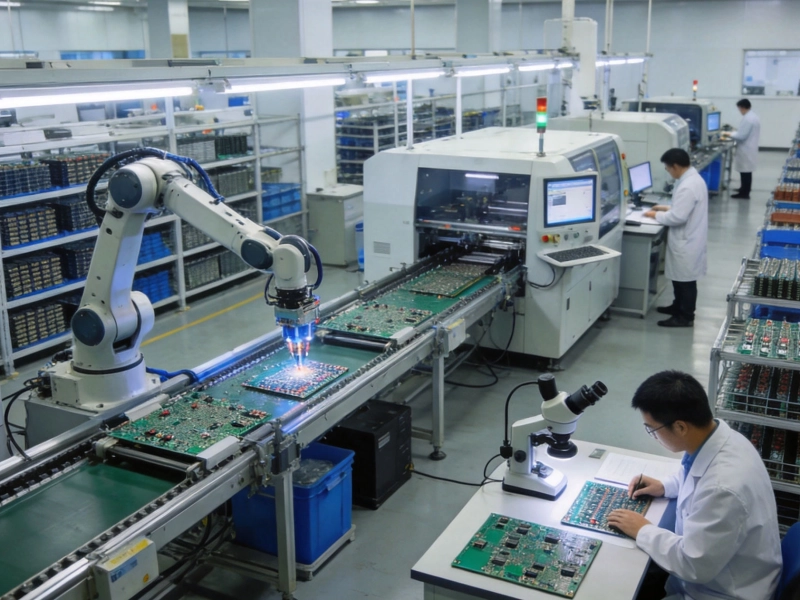
How to Find the Right PCB Fabrication Partner in ChinaJune/02/2026
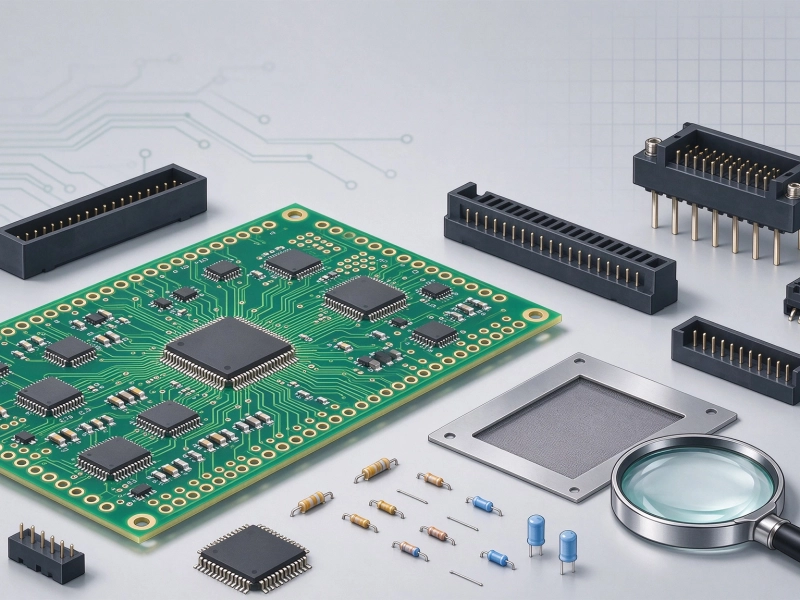
How to Read a Quote for PCB Fabrication and Assembly ServicesOctober/27/2026
Emergency PCB Runs: Strategies for Getting Boards Fast Without Sacrificing ReliabilityJuly/08/2026
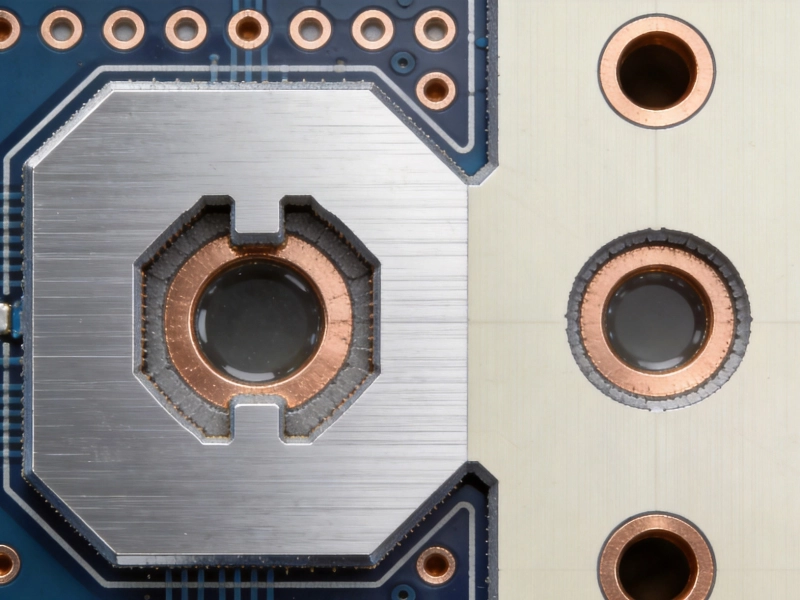
Back-drilling and Via-in-Pad: Advanced Capabilities for High-Speed DesignsSeptember/29/2026
Inventory Management and Kitting: Streamlining Your Supply Chain with PCB ServicesJuly/15/2026
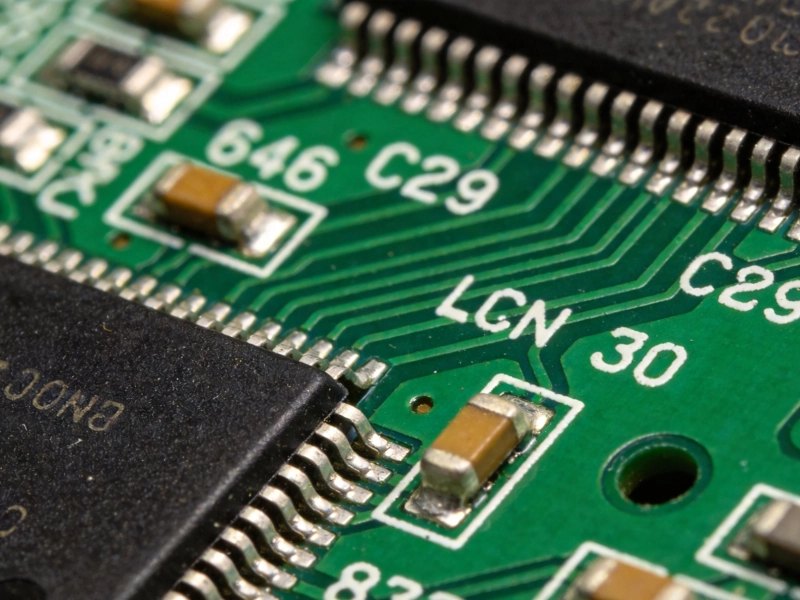
Solder Mask and Silkscreen: More Than Just Aesthetics in the PCB ProcessJuly/20/2026