Open Nav

The global medical device industry has undergone a significant shift in its manufacturing footprint over the past two decades, and nowhere is this shift more pronounced than in the Pcb Assembly Supply Chain. What began as a cost-driven migration of low-end manufacturing to China has evolved into a sophisticated, regulated, and increasingly trusted Supply Chain for complex medical electronics. Medical device companies that once viewed China exclusively as a source for commoditized components now routinely qualify Chinese manufacturers for demanding applications including diagnostic equipment, therapeutic devices, implantable electronics, and patient monitoring systems. This evolution did not happen by accident. It was driven by Chinese manufacturers who invested in quality systems, certification, and process capability, and by medical device companies who recognized that the traditional assumption about quality limitations in China was increasingly outdated. Understanding why medical device makers trust Pcb Manufacturing services from China requires examining the specific factors that have built this trust over time, and understanding what questions to ask when qualifying a Chinese manufacturer for medical applications.

The story of Chinese Pcb Manufacturing for medical devices is one of rapid capability building driven by both market opportunity and competitive pressure. In the early 2000s, Chinese manufacturers were primarily engaged in low-complexity, low-cost Pcb Production for consumer electronics, while the medical device market remained dominated by manufacturers in the United States, Europe, and Japan. The capability gap between Chinese manufacturers and established medical PCB suppliers was real, but it was also a moving target. As Chinese manufacturers invested in equipment, process knowledge, and quality systems, the gap narrowed, and in many specific capability areas, Chinese manufacturers now match or exceed the capabilities of manufacturers in higher-cost regions.
The investment in medical manufacturing capability was accelerated by the growth of the Chinese domestic medical device market, which became the second-largest medical device market in the world by the early 2010s. Chinese medical device manufacturers needed suppliers who could meet international quality standards, and this domestic demand created an ecosystem of qualified manufacturers that also served international customers. The medical device companies that entered China early, as both customers and investors in the local manufacturing ecosystem, gained access to this capability before it became widely known and fully utilized by Western competitors.
The competitive pressure on Western medical device companies to reduce costs also drove the qualification of Chinese suppliers. Healthcare cost containment pressures in the United States and Europe forced medical device companies to examine every cost element in their products, and Pcb Assembly, which is a significant component of the total product cost for most electronic medical devices, became a focus for cost reduction. The medical device companies that successfully qualified Chinese manufacturers for medical applications achieved cost savings of 30 to 50 percent compared to their previous supply sources, and these savings translated directly into competitive advantage or improved margins. The financial incentive to qualify Chinese suppliers was powerful, and it motivated the investment in supplier development and qualification that built the trust relationship.
The foundation of trust in medical device manufacturing is the quality management system, and Iso 13485 is the globally recognized standard that defines the requirements for such a system. Iso 13485 is based on the ISO 9001 quality management framework but adds specific requirements for regulatory compliance, risk management, design control, and traceability that are essential for medical device manufacturing. A Chinese Pcb Manufacturer who holds ISO 13485 certification has demonstrated that they have the documented processes, the trained personnel, and the quality infrastructure to produce medical devices consistently and safely.
ISO 13485 certification for Chinese manufacturers is typically obtained through accredited certification bodies that audit the manufacturer's facilities and quality system documentation. The certification audit examines the quality manual, the standard operating procedures, the work instructions, the equipment calibration records, the training records, the supplier qualification records, and the product traceability records. The audit also includes a review of the manufacturing floor to verify that the documented processes are actually followed in practice. A manufacturer who passes the audit and receives the ISO 13485 certificate has demonstrated a level of quality system maturity that is appropriate for medical device manufacturing.
Beyond the basic ISO 13485 certification, medical device companies often require their PCB suppliers to have additional quality credentials, including ISO 14971 for risk management, ISO 11135 or ISO 11137 for sterilization validation if the device is sterilized, and IEC 62366 for usability engineering if the user interface is part of the product. The specific additional requirements depend on the device classification and the regulatory pathway, but the Pcb Supplier's quality system should be capable of supporting these additional requirements through documentation, process control, and traceability. A supplier who can demonstrate competence in the broader medical device quality system requirements is more valuable than one who can demonstrate only ISO 13485 compliance in isolation.
Medical devices sold in the United States must be cleared or approved by the FDA, and devices sold in the European Union must carry the CE mark, which indicates compliance with the applicable EU directives. Both regulatory pathways require documentation of the manufacturing process, the Quality Control procedures, and the traceability from the raw materials to the finished device. A Chinese Pcb Manufacturer who understands these requirements and can provide the documentation that supports the regulatory submission is a more valuable partner than one who views regulatory compliance as solely the responsibility of the OEM.
The FDA's Quality System Regulation, which is codified in 21 CFR Part 820, requires medical device manufacturers to maintain design history files, device master records, and device history records that document the manufacturing history of each device. The PCB assembly records, including the BOM, the assembly process parameters, the inspection results, and the test results, are part of the device history record that the FDA can inspect during a facility audit. A Chinese Pcb Manufacturer who maintains these records in a format that is compatible with the FDA's expectations, and who can provide them in English or in a format that can be translated, supports the OEM's ability to demonstrate regulatory compliance.
For the CE mark, the EU's Medical Device Regulation MDR 2017/745 requires that manufacturers demonstrate compliance with the essential requirements for safety and performance, including the design, the manufacturing process, and the post-market surveillance. The PCB assembly records, including the material certificates, the process validation data, and the traceability records, are part of the technical documentation that must be maintained for each device. A Chinese Pcb Manufacturer who can provide this documentation in a format that satisfies the MDR requirements supports the OEM's ability to obtain and maintain the CE mark.
The concept of an authorized representative, or EU REP, is particularly relevant for Chinese manufacturers serving the EU market. The MDR requires that non-EU manufacturers have an authorized representative located in the EU who is responsible for compliance with the regulatory requirements. Some Chinese PCB manufacturers have established EU authorized representative relationships or have European subsidiaries that serve this function, which simplifies the regulatory compliance chain for the OEM. The existence of a clear authorized representative arrangement is a factor in evaluating the regulatory capability of a Chinese supplier.
The trust that medical device companies place in Chinese PCB manufacturers is grounded in the actual Manufacturing Capabilities that these manufacturers have developed. The equipment, the process knowledge, and the technical expertise required for medical PCB assembly are now widely available in China, particularly in the manufacturing clusters around Shenzhen, Suzhou, and Shanghai where the density of Electronics Manufacturing expertise is the highest.
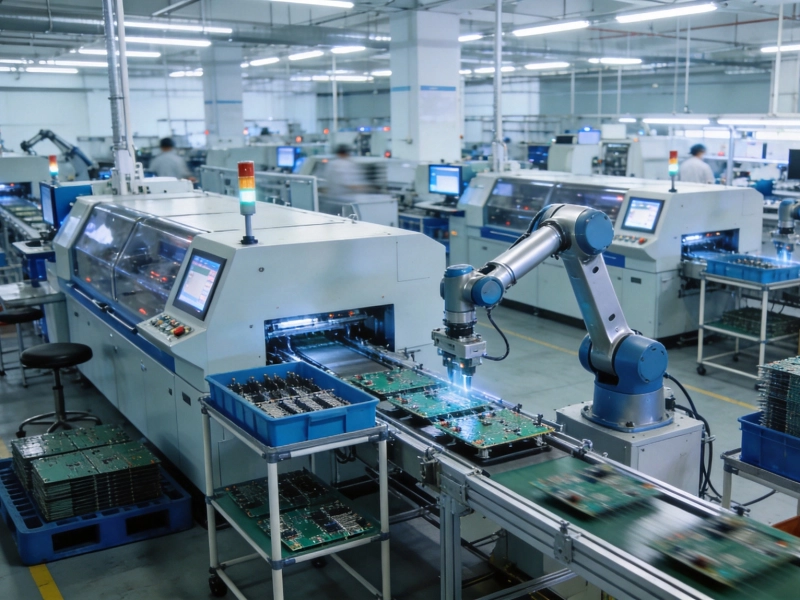
Fine-pitch component placement capability, which is required for the dense, complex assemblies that characterize modern medical electronics, is a standard capability of established Chinese assembly manufacturers. Placement machines with placement accuracy of 30 microns or better, which can place 0201 components, 0.4mm pitch BGAs, and 0.5mm pitch QFNs with high yield, are standard equipment in well-equipped Chinese assembly facilities. The accuracy is verified through process capability studies and through the measurement of placement offset on test boards, and the Cpk values for placement accuracy at these facilities are comparable to or better than the values achieved by manufacturers in higher-cost regions.
Clean room or ESD-controlled assembly environments are available at many Chinese manufacturers who serve the medical device market. The assembly area is maintained at controlled humidity and temperature, with ESD flooring, ESD workstations, and ESD grounding for personnel and equipment. For medical devices that are sensitive to ESD damage, including microcontrollers, memory devices, and wireless transceivers, the ESD-controlled environment is essential for maintaining the quality of the assembled boards. The cleanliness level of the assembly area, measured in terms of particles per cubic meter, is specified and controlled to prevent contamination of the boards during assembly.
Lead-free assembly process capability, which is required for products that must comply with the RoHS directive or that use components rated for lead-free processing, is a standard capability at established Chinese manufacturers. The lead-free reflow profile, which reaches peak temperatures of 245 to 260 degrees Celsius, imposes more thermal stress on the board and the components than the lead-containing profile, and the process must be controlled carefully to prevent defects like delamination, tombstoning, and excessive warpage. Chinese manufacturers who serve the medical device market have invested in the process knowledge and the equipment to control the lead-free process reliably, and they can provide process validation data that demonstrates the capability of the process.
Traceability is a cornerstone of medical device quality management, and the ability to trace every component on every board back to its source is a non-negotiable requirement for medical PCB manufacturing. Chinese manufacturers who serve the medical device market have developed traceability systems that meet the expectations of their customers and the requirements of the regulatory agencies.
Component-level traceability, where each component on each board is linked to a specific supplier lot number, is maintained through the BOM and the incoming inspection records. When components are received, they are logged into the inventory system with the supplier lot number, the date of receipt, and the quantity. When components are issued to a production order, the inventory system records the lot number that was issued, and the production records link the lot number to the specific boards that were assembled. This chain of traceability enables the OEM to identify which boards contain components from a specific lot if a component quality problem is discovered, and to scope the scope of any potential recall or field corrective action.
Process traceability, where each manufacturing step is documented with the process parameters, the operator, and the equipment used, is maintained through the production traveler or the MES record. The traveler follows the board through the assembly process, documenting the placement program number, the reflow oven profile number, the inspection results, and the test results at each step. If a defect is discovered after the board has been shipped, the traveler provides the complete manufacturing history that is needed to investigate the root cause and to determine whether the defect is an isolated incident or a systemic process failure.
First article inspection documentation, which provides a detailed record of the first boards produced in a production run, is a standard deliverable for medical PCB manufacturing. The FAI package includes the dimensional measurements, the visual inspection results, the Solder Joint Quality assessment, and the electrical test results for the first article boards. The package is reviewed and accepted by the OEM's quality organization before the production run is authorized to continue, which provides a quality gate that verifies the process is set up correctly before the full production quantity is committed.
The cost advantages of Chinese Pcb Manufacturing for medical devices are real and significant, but they must be evaluated in the context of the total cost of ownership, which includes the direct manufacturing cost, the logistics cost, the quality cost, and the risk cost. Understanding the total cost of ownership enables a more accurate comparison between Chinese and domestic manufacturing options.
The direct manufacturing cost advantage of Chinese manufacturers is typically 30 to 50 percent compared to equivalent manufacturing in the United States or Western Europe. This advantage is driven by lower labor costs, lower overhead costs, and the economies of scale that Chinese manufacturers have achieved through high-volume production. The labor cost advantage is the most visible component, but the overhead advantage, which includes the facility cost, the equipment amortization, and the administrative cost, is also significant. The component cost advantage, which depends on the component sourcing location and the supplier relationships, can vary widely depending on the specific components and the volume.
The logistics cost, which includes the shipping cost, the customs duties, the import taxes, and the cost of managing the International Supply Chain, reduces the net savings from Chinese Manufacturing. For PCB assemblies, which are relatively dense and not excessively heavy, the air freight cost is typically $2 to $5 per kilogram, and the total logistics cost for a shipment of medical PCB assemblies is typically 3 to 8 percent of the manufacturing cost. Sea freight, with transit times of 3 to 4 weeks, is an option for non-urgent shipments and can reduce the logistics cost by 40 to 60 percent compared to air freight.
The quality cost, which includes the cost of incoming inspection, the cost of escapes and returns, and the cost of supporting and auditing the supplier, must be included in the total cost comparison. A Chinese supplier who requires more oversight and more incoming inspection than a domestic supplier adds to the quality cost, which partially offsets the manufacturing cost savings. The quality cost depends on the supplier's demonstrated quality level, the OEM's quality management practices, and the effectiveness of the communication between the OEM and the supplier. A well-qualified Chinese supplier with a strong quality system may have a lower quality cost than a domestic supplier with a weaker quality system.
The risks associated with Chinese Pcb Manufacturing for medical devices are real but manageable, and the best medical device companies treat risk management as an integral part of their sourcing strategy rather than as a reason to avoid Chinese suppliers altogether. Understanding the specific risks and implementing appropriate mitigation strategies enables the benefits of Chinese Manufacturing to be captured while controlling the downside risk.
Supply chain disruption risk, which is the risk that a supplier will be unable to deliver due to natural disasters, political events, transportation disruptions, or financial distress, is the most commonly cited risk of International Sourcing. The mitigation strategies include dual sourcing, where the same product is qualified at two suppliers in different geographic locations, and buffer inventory, where safety stock is maintained at a level that covers the maximum disruption period. The appropriate buffer inventory level depends on the criticality of the product, the lead time, and the supplier's reliability record.
Intellectual property risk, which is the risk that design information will be misappropriated or used without authorization, is a concern for many companies sourcing from China. The mitigation strategies include the use of Non-Disclosure Agreements that are enforceable under Chinese law, the segregation of sensitive design information from the manufacturing data, and the use of legal mechanisms that are available for IP protection in China. The Chinese government has strengthened IP protection laws and enforcement in recent years, and the practical risk of IP theft in well-managed supplier relationships is lower than commonly perceived.
Regulatory compliance risk, which is the risk that a supplier's quality system will be found inadequate during an FDA inspection or a notified body audit, is a concern for medical device companies that rely on Chinese manufacturers. The mitigation strategies include thorough qualification of the supplier before production begins, ongoing audits of the supplier's quality system, and maintaining the capability to qualify an alternate supplier if the primary supplier's compliance is questioned. The FDA has increased its inspection activity in China in recent years, and medical device companies with Chinese suppliers should be prepared for FDA inspections of their contract manufacturers.
The relationship between a medical device company and its Chinese PCB manufacturer is a business relationship that requires investment, communication, and mutual commitment to succeed. Companies that treat the relationship as a purely transactional vendor relationship, optimizing only on price and changing suppliers at the slightest provocation, do not capture the full value that a strong supplier relationship can provide. Companies that invest in the relationship, that communicate clearly and frequently, and that treat the supplier as a partner rather than a vendor, build the trust that enables the full realization of the cost and capability advantages of Chinese manufacturing.
Clear communication of requirements is the foundation of a successful supplier relationship. The medical device company's engineering team, quality team, and supply chain team should communicate directly with their counterparts at the Chinese manufacturer, without relying solely on intermediaries or translators who may introduce errors or delays. The communication should cover the technical requirements, the quality requirements, the delivery requirements, and the business terms, and it should be documented in writing to prevent misunderstandings. The use of standard communication tools, including email, document sharing platforms, and video conferencing, enables the regular communication that is needed to manage the relationship effectively.
Regular face-to-face interaction, through on-site visits or participation in industry events, builds the personal relationships that support the business relationship. The investment in traveling to the supplier's facility, meeting the management team, touring the production floor, and discussing the partnership face-to-face generates trust and understanding that cannot be achieved through remote communication alone. Many medical device companies maintain a local presence in China through a sourcing office, a dedicated agent, or a frequent traveler program that ensures regular on-site engagement with their key suppliers.
Joint continuous improvement, where the OEM and the supplier collaborate on cost reduction, quality improvement, and process optimization, creates value that benefits both parties. The supplier's knowledge of their manufacturing process, combined with the OEM's knowledge of the product requirements, enables improvements that neither party would achieve independently. A supplier who sees the medical device company as a long-term partner, rather than a disposable source of orders, is more likely to invest in process improvements and to share the benefits of those improvements through price reductions or quality improvements.
The trust that medical device makers place in PCB manufacturing services from China is well-founded, but it is trust that is built on demonstrated capability, not on assumptions. The Chinese manufacturers that serve the medical device market have earned this trust through investment in quality systems, equipment, and process knowledge that meets or exceeds the standards of manufacturers in higher-cost regions. ISO 13485 certification, regulatory compliance support, manufacturing capability for fine-pitch assembly, traceability systems, and competitive cost structures are now standard capabilities of established Chinese medical PCB manufacturers.
The decision to source medical PCB assembly from China should be based on a thorough evaluation of the specific supplier's capabilities, not on a general assumption about the quality of Chinese manufacturing. The medical device company that invests in proper qualification, that builds a strong supplier relationship, and that implements appropriate risk mitigation strategies captures the cost and capability advantages of Chinese manufacturing while managing the associated risks. The result is a supply chain that is both cost-effective and reliable, which is exactly what the medical device market demands.
Contact us to discuss your medical device PCB manufacturing requirements and to explore how our Manufacturing Capabilities meet the quality, regulatory, and cost standards of the medical electronics industry.
Reducing Supply Chain Friction: Why Integrated Fab and Assembly Saves TimeJune/29/2026
The Advantages of HDI PCB Fabrication for Compact ElectronicsMay/22/2026
Applications Driving the Demand for HDI PCBs: From Smartphones to Medical DevicesSeptember/17/2026
Top 5 Qualities of a Reliable PCB Fabrication ManufacturerNovember/18/2026
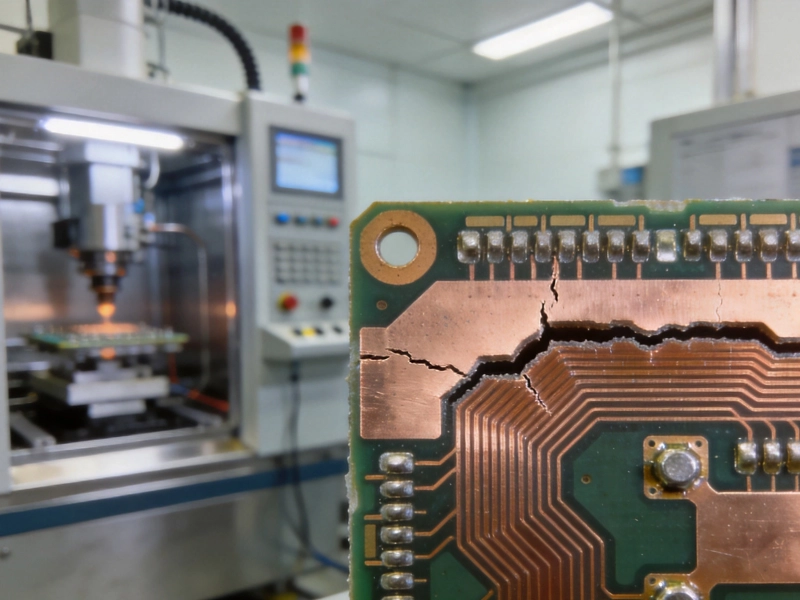
Reliability Testing for Complex HDI Boards: Ensuring Long-Term PerformanceSeptember/30/2026
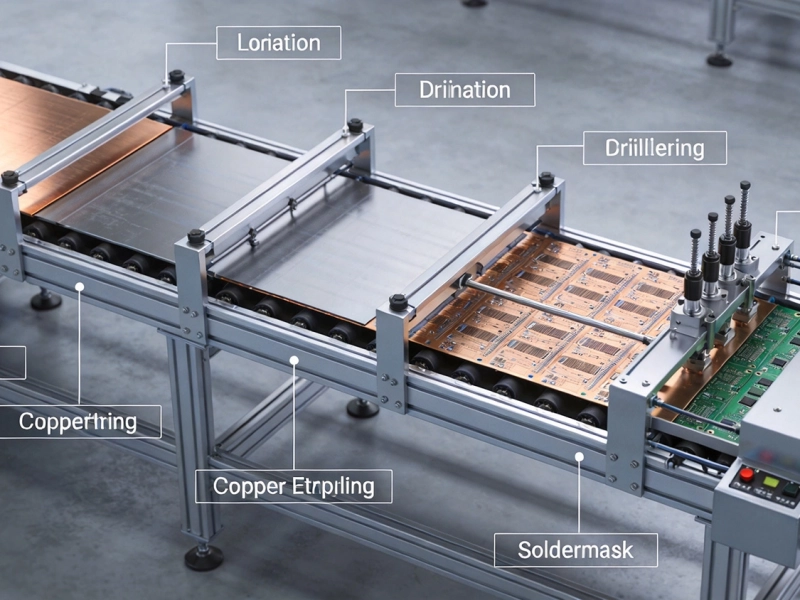
Visualizing the Flow: An Infographic Guide to How Your PCB is MadeSeptember/24/2026

Minimum Trace and Space: How Far Has PCB Technology Advanced?July/01/2026
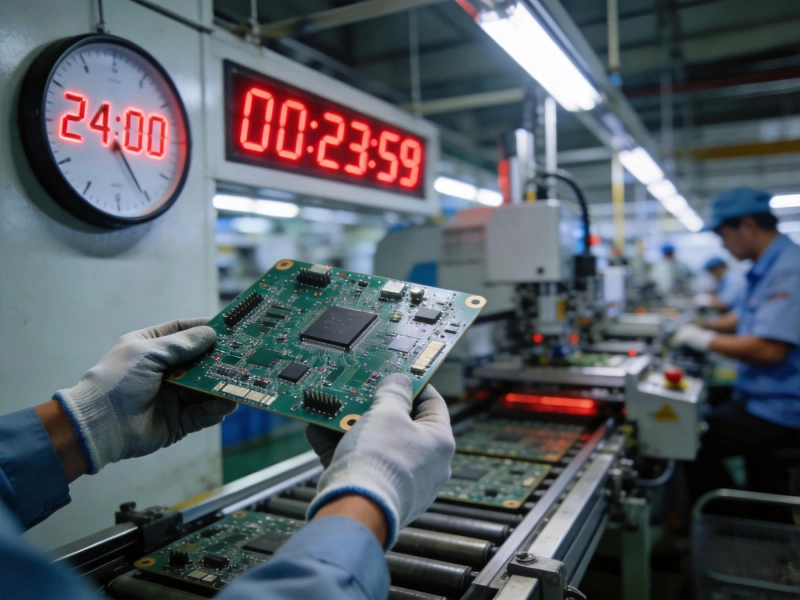
24-Hour Turnaround: Is it Possible and How Does it Work?May/21/2026