Open Nav

Starting a hardware business is tough, and finding the right PCB Fabrication manufacturer can make or break your product launch. Many startups rush into this decision, only to face delays, quality issues, or unexpected costs down the road. The truth is, selecting a reliable PCB partner is not just about price—it’s about capability, communication, and long-term scalability.
In this guide, we’ll walk you through the key factors to consider when evaluating PCB Fabrication manufacturers, so you can avoid common pitfalls and build a solid foundation for your hardware journey.
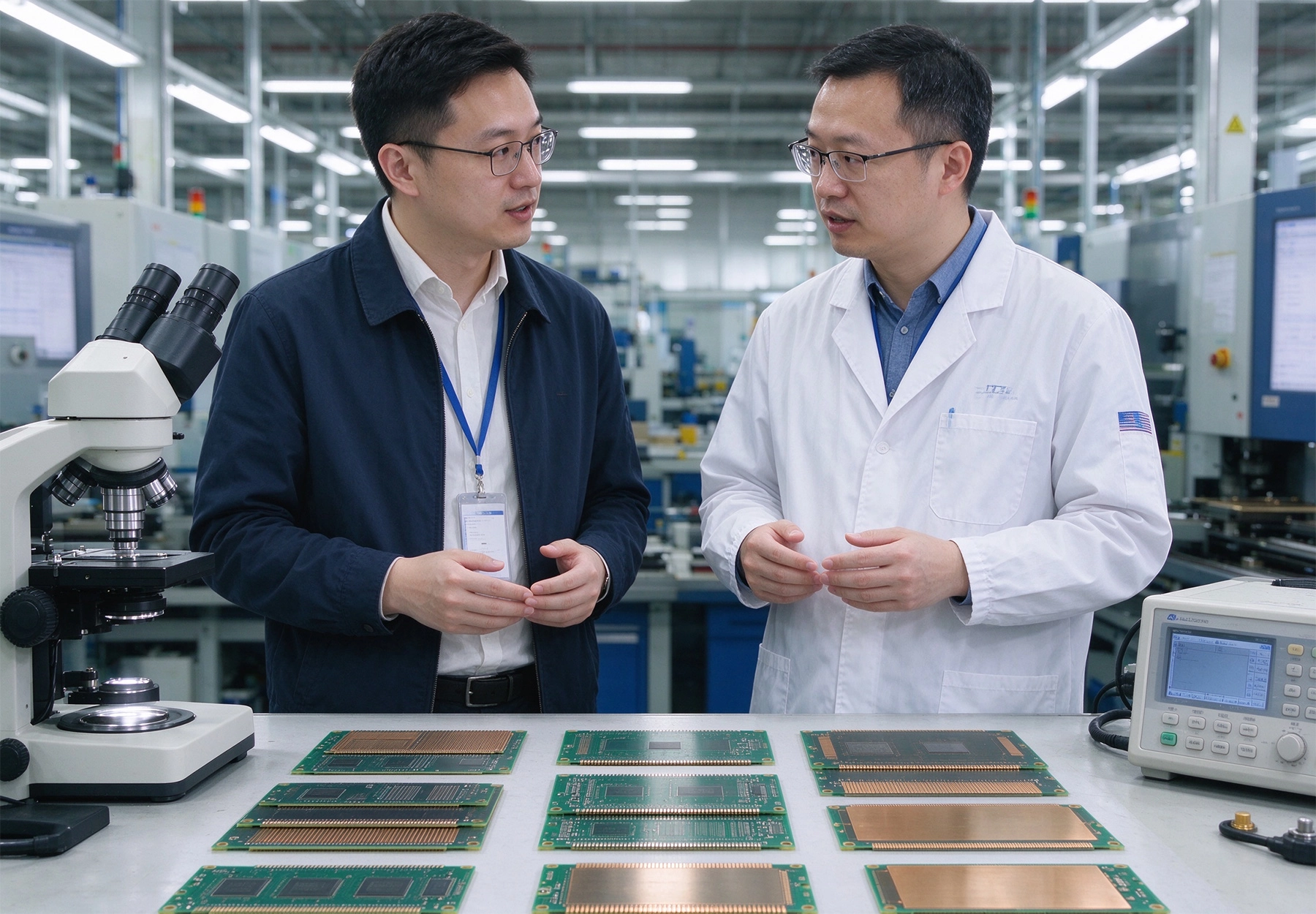
Your PCB is the backbone of your electronic product. A poor-quality board can lead to field failures, costly redesigns, and damaged reputation. For startups, where resources are limited and timelines are tight, the stakes are even higher.
A good Pcb Fabrication manufacturer does more than just produce boards—they become an extension of your engineering team. They can offer design-for-manufacturability (Dfm) feedback, suggest material alternatives, and help you navigate certification requirements. On the flip side, a bad choice can result in missed deadlines, inconsistent quality, and communication nightmares across time zones.
Not all PCB manufacturers are created equal. Some specialize in quick-turn prototypes, while others excel in high-volume production. Before making a decision, assess whether their capabilities align with your product requirements:
One thing I’ve noticed from working with multiple suppliers is that many startups over-spec their requirements. You don’t always need the most advanced manufacturer for a simple 2-layer board. Match the supplier’s strength to your actual needs.
Look for manufacturers with recognized certifications such as ISO 9001, ISO 14001, UL listing, and ideally Iatf 16949 if you’re targeting automotive applications. These certifications indicate that the factory has established quality management systems in place.
But certifications alone aren’t enough. Ask for references or case studies from similar startups or industries. A manufacturer who has successfully supported early-stage companies will understand your unique challenges—like low-volume runs, frequent design iterations, and tight budgets.
This is often underestimated. You want a manufacturer who responds quickly to your Gerber questions, provides clear Dfm reports, and proactively flags potential issues. Poor communication can turn a minor design tweak into a week-long delay.
Test their responsiveness during the quoting phase. Send them your files and observe how fast they reply, how detailed their questions are, and whether their engineers seem knowledgeable. If they’re slow to quote, they’ll likely be slow to support you during production too.
Price matters, but the cheapest option is rarely the best. Look for transparent pricing with no hidden fees for tooling, testing, or shipping. Some manufacturers lure you in with low board prices but charge extra for Electrical Testing, Impedance Control, or panelization.
For startups, consider the total cost of ownership—not just the per-unit price. A slightly more expensive supplier who delivers on time and with consistent quality will save you money in the long run by reducing rework and delay costs.
Your needs will evolve. Today you might need 10 prototypes in 5 days; tomorrow you might need 5,000 units for pilot production. Choose a manufacturer who can scale with you.
Ask about their standard lead times for prototypes and production runs. Also inquire about their capacity during peak seasons. Many factories get bottlenecked before major holidays or industry events, so it’s wise to have a backup supplier ready.
Here are some warning signs that should make you reconsider a potential Pcb Fabrication manufacturer:
Choosing the right PCB fabrication manufacturer for your startup is a strategic decision that impacts your product quality, timeline, and bottom line. Don’t rush it. Take the time to evaluate technical capability, quality systems, communication, and scalability. A strong manufacturing partner will support you from Prototype to mass production and help you avoid costly mistakes along the way.
Start early, ask the right questions, and remember—the cheapest quote isn’t always the best deal. Your future self will thank you when your first production run goes smoothly.
It depends on your priorities. Local manufacturers often offer faster turnaround and easier communication but at a higher cost. Overseas suppliers can be more cost-effective for volume production but may have longer lead times and language barriers. Many startups use both—local for prototypes and overseas for production.
It’s recommended to qualify at least 2-3 manufacturers. This gives you flexibility if one supplier faces capacity issues or quality problems. Having a backup is especially important as your volume grows.
At minimum, provide Gerber Files, drill files, a stack-up description, surface finish requirement, quantity, and any special requirements like Impedance Control or blind/Buried Vias. The more detail you provide, the more accurate the quote will be.
About the author: I’ve spent over a decade in the PCB and Electronics Manufacturing industry, helping startups and SMEs navigate the complexities of hardware production. If you’re stuck on a sourcing decision, feel free to reach out—I’m always happy to share practical advice.
Essential Tips for Your First Custom PCB OrderJune/02/2026
The Role of DFM (Design for Manufacturability) in Custom Board SuccessSeptember/02/2026
Environmental Standards in China: How PCB Factories are Going GreenSeptember/11/2026
Understanding Lead Times: What to Expect When Ordering from Chinese PCB MillsAugust/06/2026
Common Pitfalls in Custom PCB Fabrication and How to Avoid ThemAugust/07/2026
The Rise of Smart Factories: How Automation is Revolutionizing China's PCB SectorJune/16/2026
A Complete Guide to Importing Custom PCBs from China for US and EU StartupsJuly/16/2026

Rigid-Flex and Flexible PCBs: Unlocking New Possibilities with Custom DesignsJuly/17/2026