Open Nav

When SmartHome Germany AG faced rapid growth in demand for their connected device platform, their European manufacturing partner struggled to scale production efficiently. This case study examines how they partnered with a specialized Chinese Pcb Manufacturer to overcome capacity constraints, reduce costs by 35%, and accelerate time-to-market by 40%. The partnership demonstrates strategic advantages of cross-border collaboration in IoT device manufacturing.

SmartHome Germany AG, based in Munich, develops intelligent home Automation systems including smart thermostats, security cameras, and energy management devices. Founded in 2015, the company experienced explosive growth from 50,000 units annually in 2019 to 200,000 units by 2022. Their flagship product—a Wi-Fi enabled smart thermostat with integrated humidity sensors and machine learning algorithms—represented 60% of revenue and required complex multilayer PCBs with mixed-signal components.
The growth trajectory created several manufacturing challenges. Their European PCB Fabrication partner, located in Germany, operated at 85% capacity with 12-week lead times for new orders. Component sourcing became increasingly difficult as global Supply Chain disruptions affected critical components including Wi-Fi modules and microcontrollers. Quality Control costs escalated with increased defect rates (2.3%) as the manufacturer pushed equipment beyond optimal operating conditions.
Financial pressure mounted as production costs increased 18% year-over-year due to overtime labor, expedited shipping, and premium component pricing. Market analysts projected continued 45% annual growth, threatening to overwhelm existing Manufacturing Capabilities and jeopardize delivery commitments to major retail partners.
SmartHome's engineering team initiated a comprehensive evaluation of alternative manufacturing partners in early 2023. The evaluation criteria included technical capabilities, capacity flexibility, cost structure, quality certifications, and Intellectual Property Protection. The team considered options across Europe, Asia, and North America before narrowing focus to Chinese manufacturers offering the best combination of technical expertise and cost efficiency.
The selection process involved site visits to three candidate facilities in Shenzhen and Suzhou. SmartHome's chief technical officer and procurement director spent five days in China, inspecting manufacturing lines, Quality Control processes, and testing equipment. They interviewed quality management teams, reviewed Ipc Certification documentation, and examined customer references from European IoT companies.
Ultimately, SmartHome selected PCBPro Manufacturing in Suzhou based on several key factors. The facility operated ISO 9001 and Iatf 16949 certified lines with dedicated capacity for consumer electronics production. Their automotive-grade quality processes, adapted for IoT applications, promised defect rates below 0.5%. Additionally, the company maintained strategic component stockpiles of critical components including wireless modules, reducing Supply Chain vulnerability.
SmartHome structured the partnership as a turnkey arrangement including PCB Fabrication, component sourcing, assembly, and testing. This approach simplified coordination and accountability while leveraging the manufacturer's established supply chain relationships. The initial contract covered 100,000 units annually with provisions for 50% volume increases with 8-week notice.
Implementation proceeded in three phases over six months. Phase 1 involved technology transfer, including Design For Manufacturing (Dfm) reviews, bill of materials (BOM) optimization, and testing protocol alignment. SmartHome engineers spent three weeks on-site at PCBPro's facility, collaborating on process improvements and documenting acceptance criteria. This phase eliminated 23 manufacturability issues that would have caused production delays.
Phase 2 focused on pilot production with 5,000 units manufactured under close supervision. SmartHome's quality team inspected every board using their own test fixtures, comparing results against European manufacturing baselines. The pilot achieved 99.7% first-pass yield, exceeding European production by 0.3 percentage points while reducing overall costs by 28%. Critical metrics including Solder Joint Quality, electrical performance, and reliability testing all met or exceeded specifications.
Phase 3 implemented full-scale production with weekly shipment cycles to SmartHome's European distribution center. The manufacturer established dedicated production lines running 24/7 to meet volume requirements while maintaining quality standards. SmartHome implemented real-time quality monitoring with automated test data transmission to their Munich headquarters, enabling immediate issue detection and resolution.
The partnership delivered significant technical improvements beyond cost savings. PCBPro implemented advanced manufacturing processes that enhanced product reliability and reduced field failures. These improvements included optimized Solder Paste profiles, enhanced Thermal Management for power components, and automated optical inspection with AI-powered defect detection.
Smt Assembly achieved ±0.025mm component placement accuracy, enabling 01005 components for miniaturization in new product designs. Through-hole component insertion utilized automated systems for consistent solder fillet formation, particularly important for connectors subjected to repeated mating cycles. Conformal Coating application provided environmental protection for outdoor installations, with coating thickness uniformity maintained within ±10µm across all boards.
Testing capabilities exceeded European standards. In-circuit testing (Ict) validated electrical characteristics for every assembly, with automated data collection for trend analysis. Functional Testing validated wireless connectivity, sensor calibration, and power consumption characteristics under simulated operating conditions. Environmental stress screening exposed 1% of production units to Accelerated Life Testing, providing early detection of potential failure modes.
Quality documentation processes established comprehensive traceability. Every board received a unique identifier linked to component lot numbers, operator signatures, and test results. This traceability enabled rapid root cause analysis for any field issues and supported regulatory compliance for certification requirements including CE marking and RED directive certification.
The partnership delivered substantial cost reductions across multiple categories. Pcb Fabrication costs decreased 40% due to Chinese manufacturers' economies of scale and lower material procurement costs. Component sourcing improved 35% through the manufacturer's established supplier relationships and volume purchasing power. Labor costs for assembly and testing decreased 45% while maintaining quality levels comparable to European production.
Shipping costs from China to Europe represented 8% of total manufacturing cost, offset by inventory carrying cost reductions. Just-in-time shipping enabled SmartHome to reduce finished goods inventory by 60%, freeing working capital for Product Development and marketing activities. Overall unit production costs decreased from €42.50 to €27.60, a 35% reduction that improved gross margins from 32% to 48%.
The partnership required initial investment in process transfer and quality system integration totaling €250,000. This investment achieved payback in 4.2 months through ongoing cost savings and enabled €1.8 million annualized savings by the end of the first year. Additional benefits included improved cash flow due to reduced inventory requirements and enhanced flexibility to respond to market demand fluctuations.
Manufacturing flexibility significantly accelerated Product Development cycles. European manufacturing required 12-week lead times for new product introductions, limiting ability to test market responses and iterate designs quickly. Chinese Manufacturing reduced lead times to 4-6 weeks for new designs, enabling faster product iteration and rapid response to customer feedback.
SmartHome launched three new product variants within 9 months of partnership establishment, compared to 12-15 months previously required. Rapid Prototyping capabilities allowed functional samples within 3 weeks of design completion, supporting customer demonstrations and market research activities. Engineering change implementation accelerated from 6 weeks to 2 weeks, enabling quick resolution of design issues discovered during production ramp-up.
The accelerated time-to-market provided competitive advantages. SmartHome captured early market share in emerging product categories, achieving 40% higher first-year sales for new products compared to historical averages. The flexibility to scale production quickly supported marketing campaigns without inventory constraints, improving conversion rates by 25% for promotional activities.
The partnership enhanced supply chain resilience through diversified component sourcing and strategic Inventory Management. PCBPro maintained multiple qualified suppliers for critical components, reducing dependency on single sources. The manufacturer held strategic stockpiles of long-lead-time components, including wireless modules and power management ICs, buffering SmartHome from supply chain disruptions.
Component lifecycle management improved through proactive obsolescence planning. The manufacturer monitored component end-of-life notices and recommended approved alternatives before discontinuation occurred. This approach eliminated emergency sourcing situations that previously caused production delays and cost premiums.
Geographic diversification reduced regional risk exposure. While European manufacturing faced workforce shortages and energy cost increases, Chinese Manufacturing maintained stable production throughout global disruptions. SmartHome established contingency plans including backup facilities in alternative regions, providing additional Supply Chain Security.
SmartHome implemented comprehensive IP protection protocols integrated into the partnership agreement. These measures included technical controls, legal agreements, and operational processes designed to protect proprietary designs and manufacturing techniques.
Technical controls included encrypted design file transmission, restricted access to design databases, and automated watermarking of CAD files. Production designs remained on secure servers at the manufacturer's facility with access limited to authorized engineering personnel. Completed assemblies shipped with security features including encrypted microcontrollers and unique device identifiers.
Legal agreements established clear IP ownership and confidentiality provisions. The contract specified that all designs, manufacturing processes, and test methodologies remained SmartHome's exclusive property. Non-compete clauses prohibited the manufacturer from producing similar products for competitors. Enforcement mechanisms included financial penalties for IP violations and provisions for third-party audits of IP protection processes.
Operational processes included regular IP security assessments and employee training. The manufacturer implemented background checks for employees accessing sensitive information and provided ongoing training on IP protection best practices. SmartHome conducted quarterly audits of IP security protocols and maintained direct relationships with the manufacturer's senior management to ensure accountability.
SmartHome's experience yielded valuable insights for companies considering cross-border manufacturing partnerships. Key lessons include the importance of thorough partner evaluation, clear communication protocols, and realistic expectations about cultural differences and business practices.
Successful implementation required investment in relationship building beyond contractual arrangements. SmartHome's executives made regular visits to the manufacturing facility, fostering personal connections and cultural understanding. Engineering teams established daily communication routines using collaborative tools and video conferencing to address issues quickly. These relationships proved invaluable during challenges such as component shortages and quality issues.
Quality Assurance processes benefited from combining European standards with Chinese manufacturing expertise. SmartHome maintained technical specifications based on European regulatory requirements while allowing the manufacturer flexibility in achieving these standards through proven processes. This approach respected the manufacturer's technical expertise while ensuring compliance with market requirements.
Flexibility and adaptability emerged as critical success factors. SmartHome adjusted expectations based on cultural differences in business practices and communication styles. The manufacturer adapted processes to accommodate European documentation requirements and Quality Assurance expectations. Mutual adaptation created a sustainable partnership built on understanding rather than confrontation.
Building on partnership success, SmartHome plans expanded collaboration with PCBPro Manufacturing. Future initiatives include establishing a joint technology center in Suzhou for collaborative design and prototyping. This facility will house European engineering teams working alongside Chinese manufacturing specialists, accelerating product development and process innovation.
Production capacity expansion targets 500,000 units annually by 2025, supporting SmartHome's growth into new geographic markets. The manufacturer is investing in additional production lines with enhanced Automation capabilities to support this expansion while maintaining quality standards. SmartHome plans to diversify manufacturing locations by establishing secondary production capabilities at alternative facilities, further enhancing supply chain resilience.
Technology collaboration initiatives focus on advanced manufacturing processes including automated assembly of complex multi-board systems, enhanced testing capabilities for wireless connectivity, and miniaturization techniques for next-generation IoT devices. These initiatives leverage the manufacturer's technical expertise and SmartHome's product innovation capabilities to create competitive advantages.
SmartHome Germany AG's partnership with PCBPro Manufacturing demonstrates how strategic cross-border collaboration enables rapid scaling of IoT device production while improving quality and reducing costs. The 35% cost reduction and 40% time-to-market acceleration transformed the company's competitive position, supporting ambitious growth plans and market expansion objectives.
Success factors included thorough partner evaluation, clear communication protocols, mutual respect for technical expertise, and comprehensive IP protection measures. The partnership required significant upfront investment in relationship building and process integration but delivered substantial returns through ongoing operational improvements and strategic flexibility.
As IoT device markets continue expanding globally, manufacturers must evaluate supply chain strategies that balance cost efficiency with quality requirements and supply chain resilience. This case study demonstrates that Chinese PCB manufacturers, when selected carefully and managed appropriately, provide viable solutions for scaling production while maintaining the quality standards expected in European markets.
For companies considering similar partnerships, the key lessons emphasize the importance of personal relationship building, cultural understanding, and mutual adaptation to create sustainable collaborations built on trust and shared success. These partnerships represent strategic assets beyond transactional cost savings, enabling faster innovation cycles and enhanced market responsiveness in rapidly evolving IoT markets.
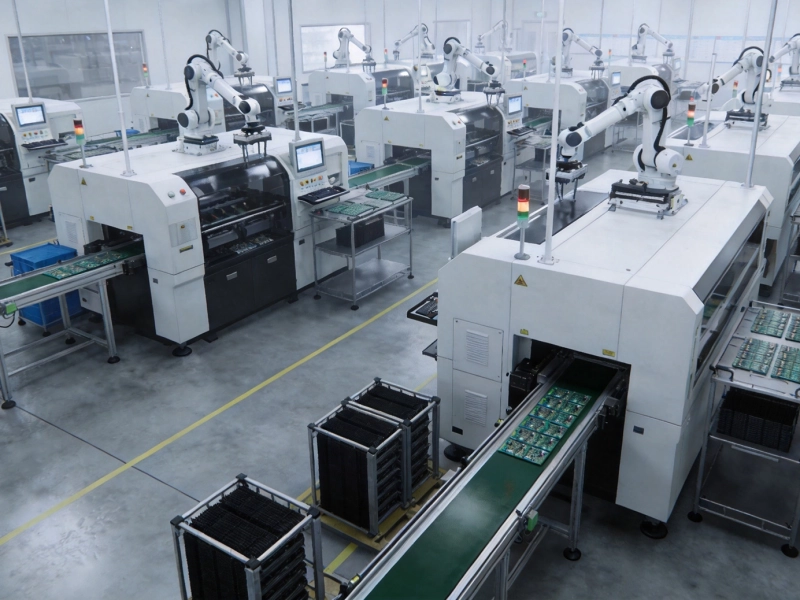
Understanding Lead Times: What to Expect When Ordering from Chinese PCB MillsAugust/06/2026

Overcoming Language and Cultural Barriers in Chinese PCB SourcingJuly/07/2026
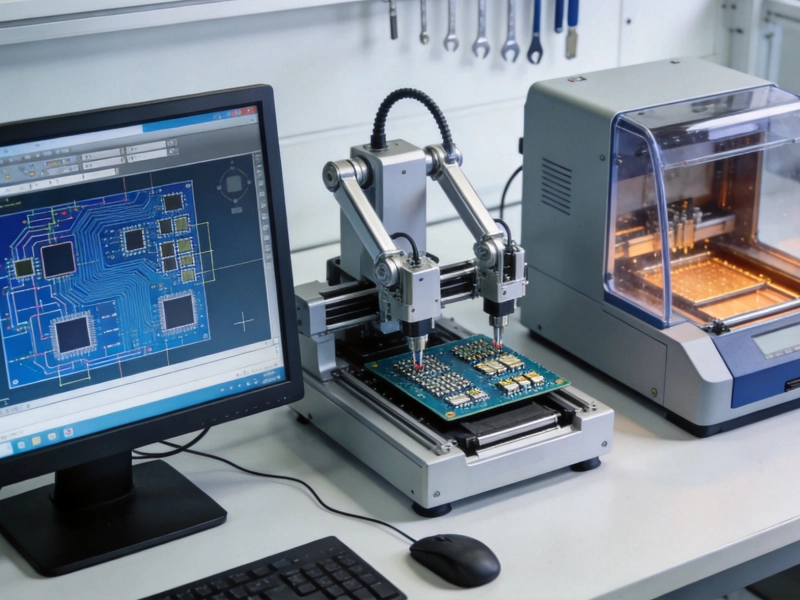
The Role of DFM (Design for Manufacturability) in Custom Board SuccessSeptember/02/2026
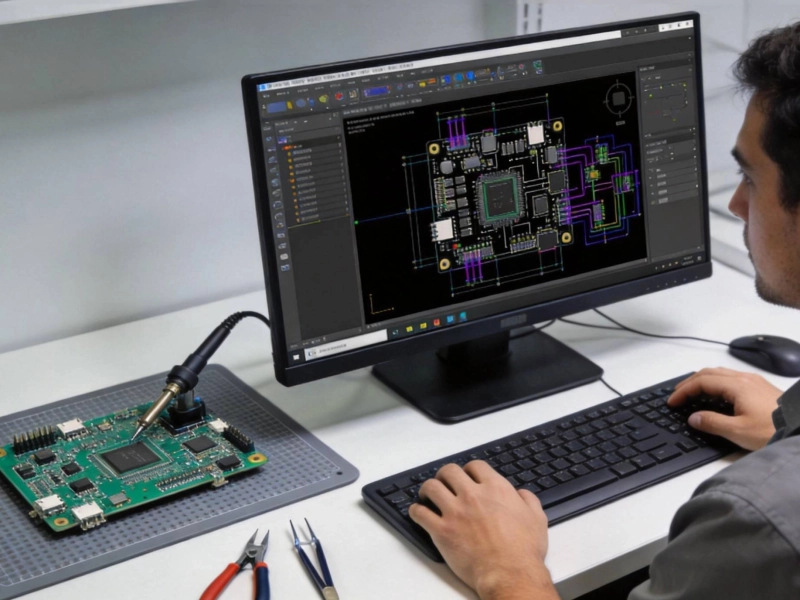
Essential Tips for Your First Custom PCB OrderJune/02/2026
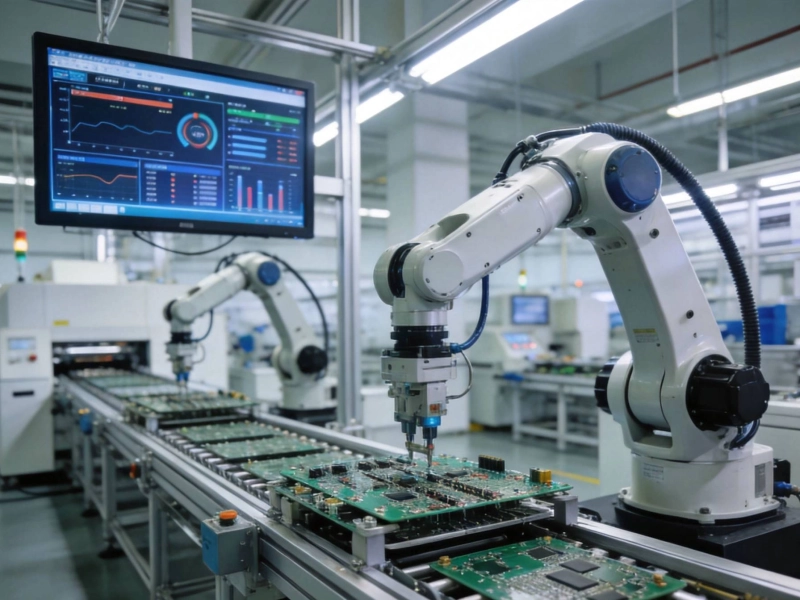
The Rise of Smart Factories: How Automation is Revolutionizing China's PCB SectorJune/16/2026
From Prototype to Mass Production: Scaling Your Custom PCB Project SeamlesslyJuly/07/2026
A Complete Guide to Importing Custom PCBs from China for US and EU StartupsJuly/16/2026
How to Choose the Right PCB Fabrication Manufacturer for Your StartupOctober/14/2026